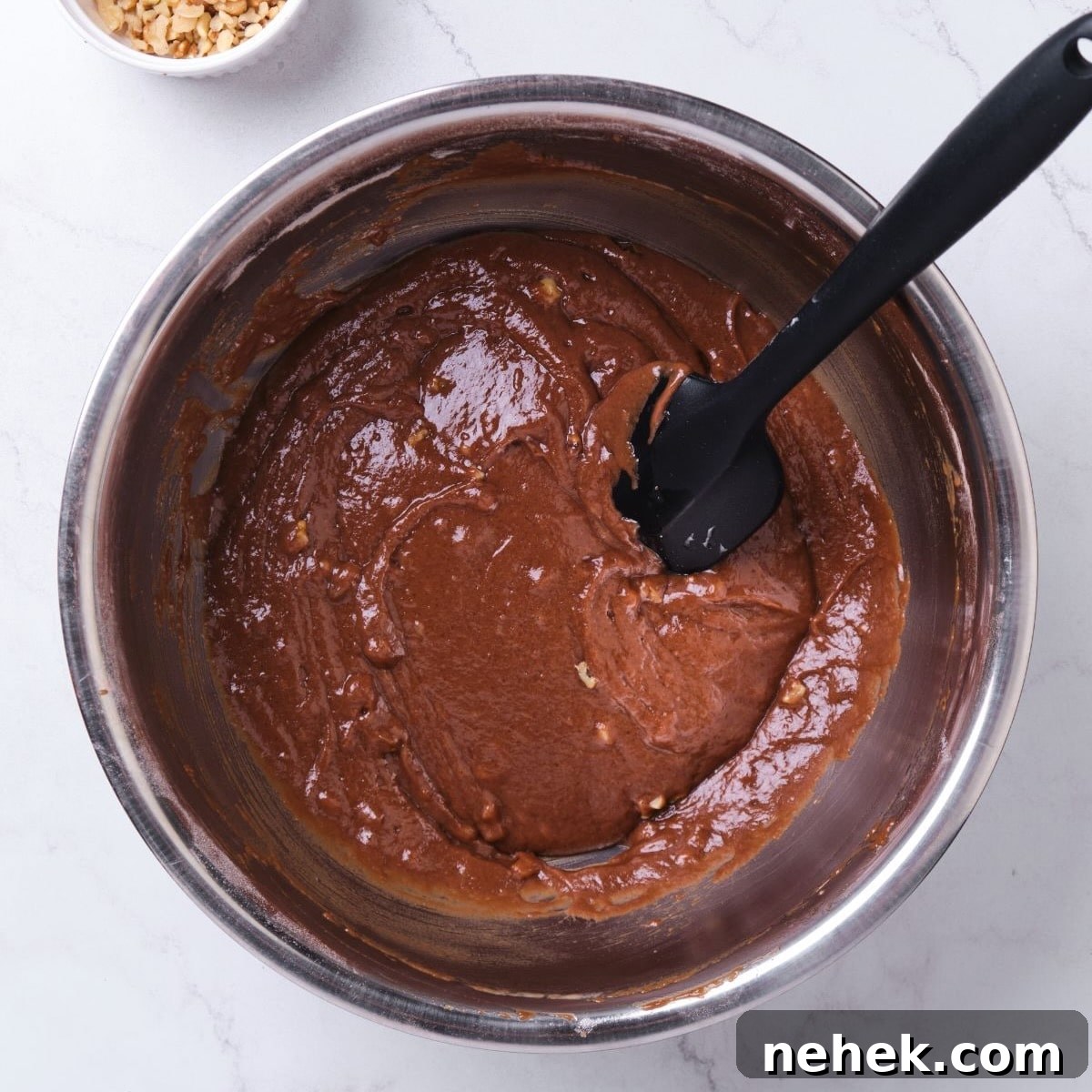
Whether you’re a new baker learning the ropes or someone refreshing your skills, it’s important to understand the three most popular cake mixing methods. Each technique produces different textures and results, so choosing the right one for a recipe makes a big difference.
Below you’ll find clear, practical explanations of the two-bowl method, the traditional creaming method, and the reverse creaming method—how they work, the equipment you need, and the types of cakes they suit best.
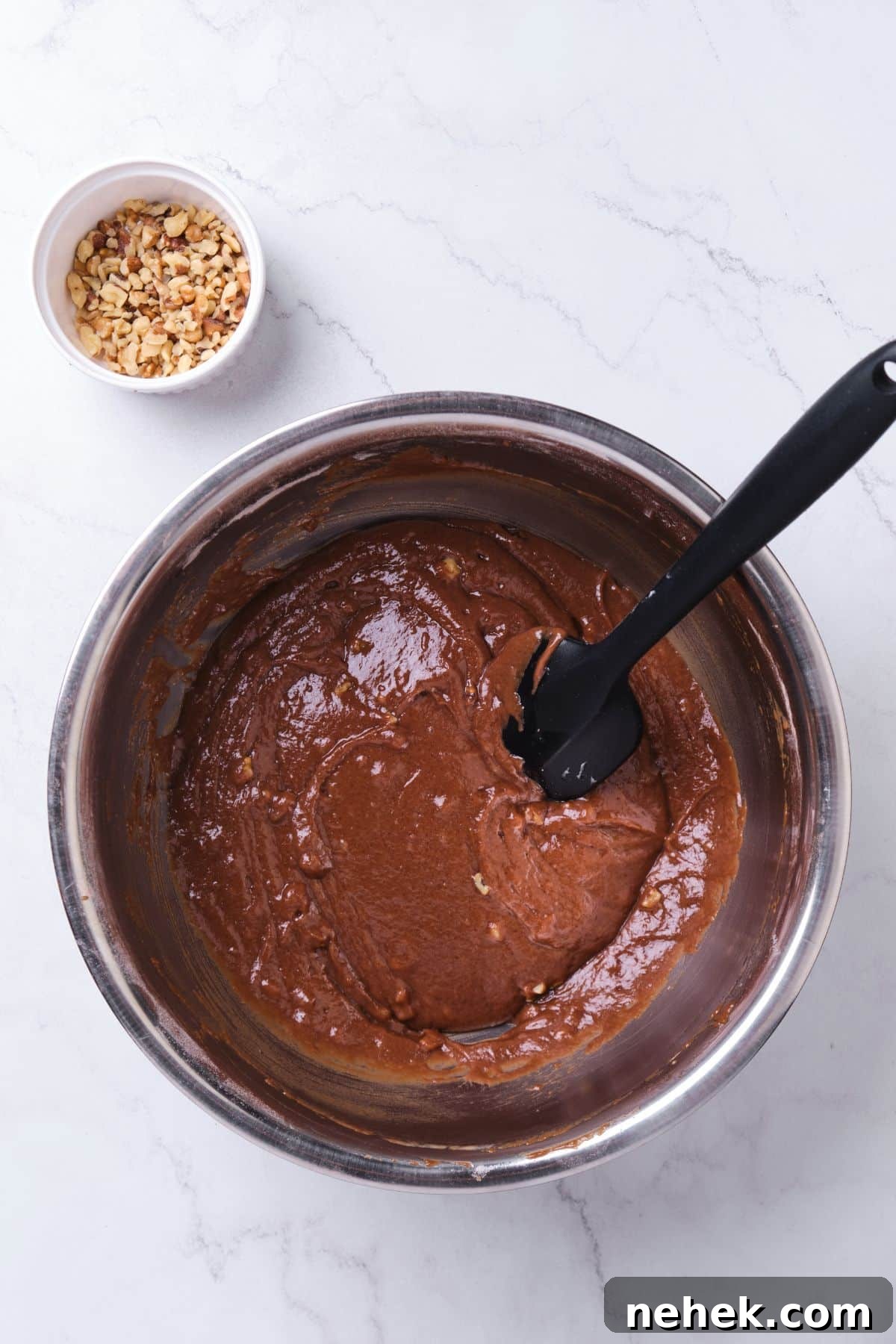
With so many cake styles available, it can be confusing for new bakers to know which mixing method to use. As a former bakery owner, I rely on three methods most often. The step-by-step details below will help you master each technique confidently.
Learn all three methods and follow recipes as written—baking is a science, and the method matters. If a recipe specifies the creaming method, don’t substitute the two-bowl method unless you understand how that will change the result.
Two-Bowl Method
Also called the blended or two-stage method, the two-bowl method is my go-to when I want a simple, fast approach that yields very moist cakes. It’s commonly used for quick breads and muffins, so many home bakers already have experience with it.
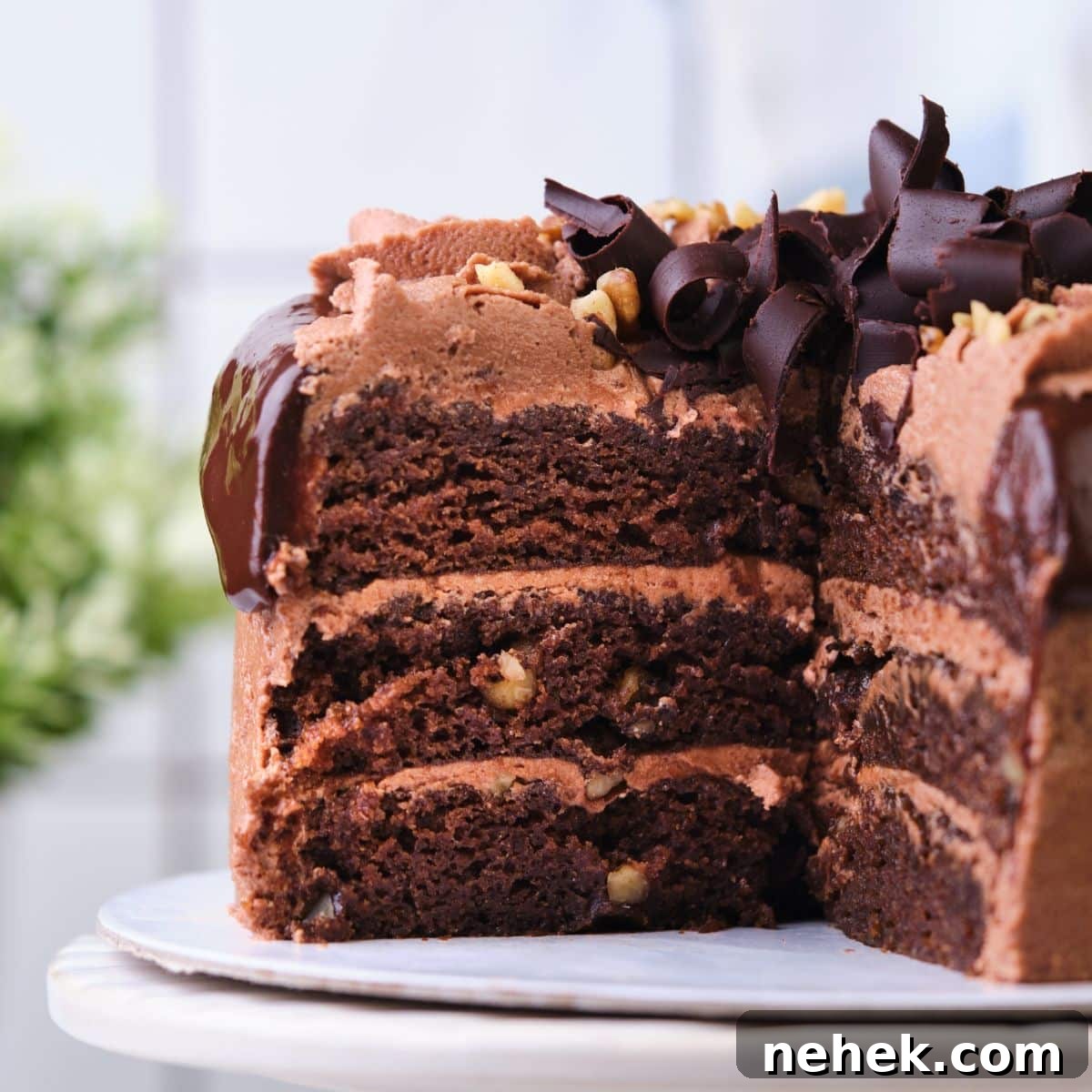
This method shines when you want moist, slightly denser cakes that rise nicely. Recipes often include ingredients that help retain moisture—vegetable oil, sour cream, buttermilk, or products like instant Clearjel—and typically use chemical leaveners such as baking powder and baking soda rather than whipped egg whites.
Equipment
The two-bowl method requires just two bowls—one for dry ingredients and one for wet—plus a whisk or sturdy spoon. Avoid using a stand mixer for this method; overmixing can develop gluten and make the cake tough.
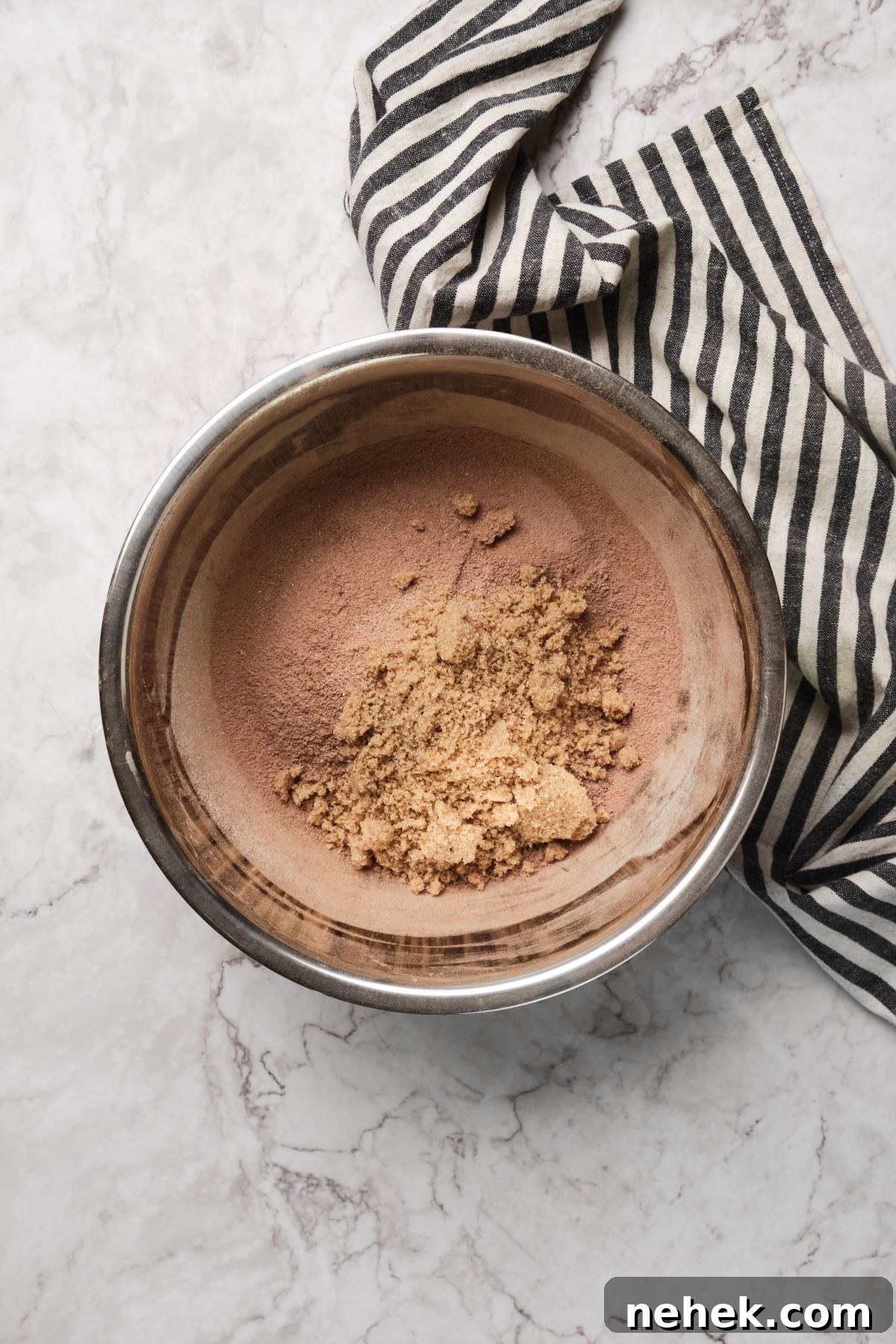
In one bowl, whisk together dry ingredients such as flour, baking powder, baking soda, and salt.
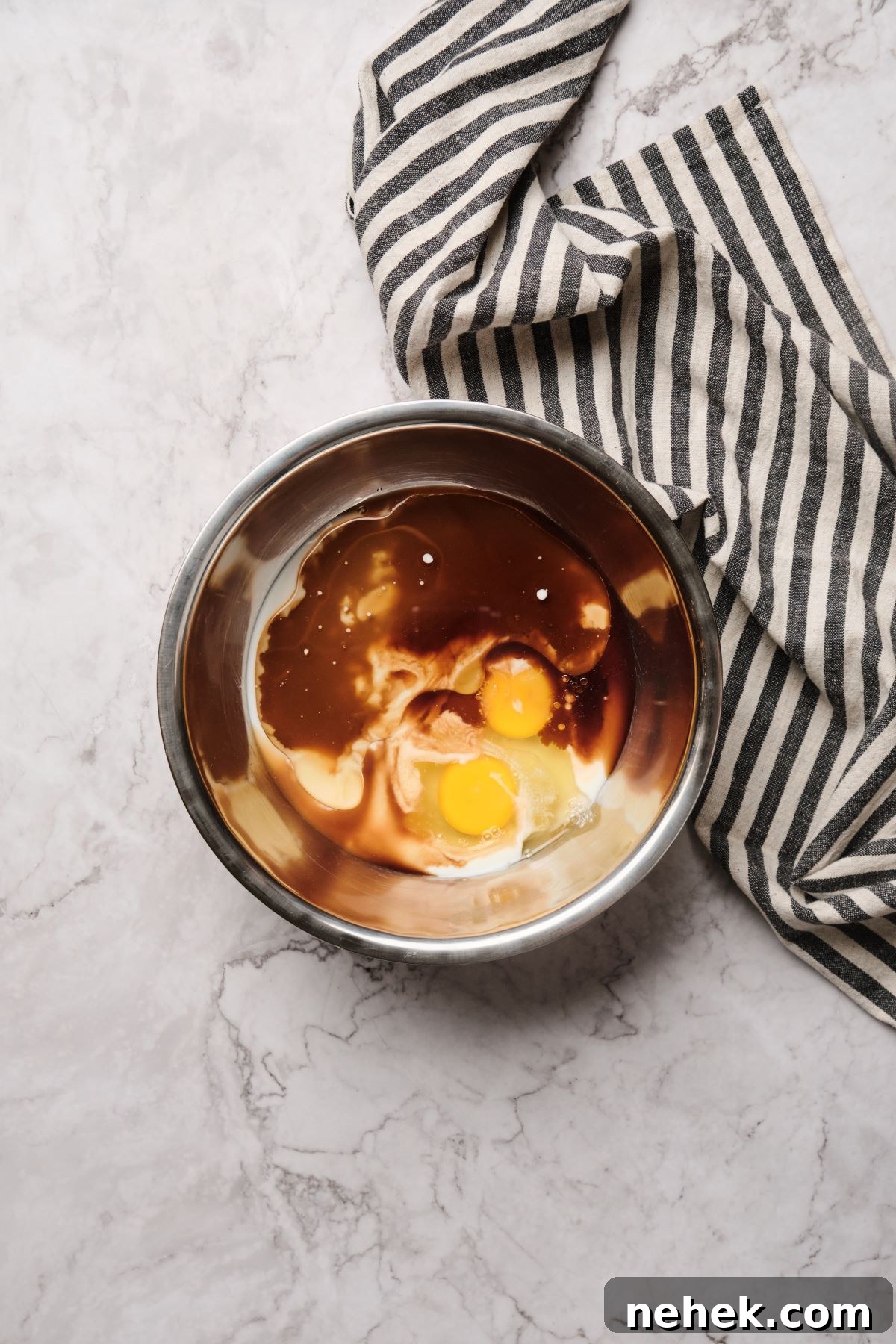
In the second bowl, combine the wet ingredients—eggs, oil or melted butter, milk, and flavorings like vanilla or citrus zest.
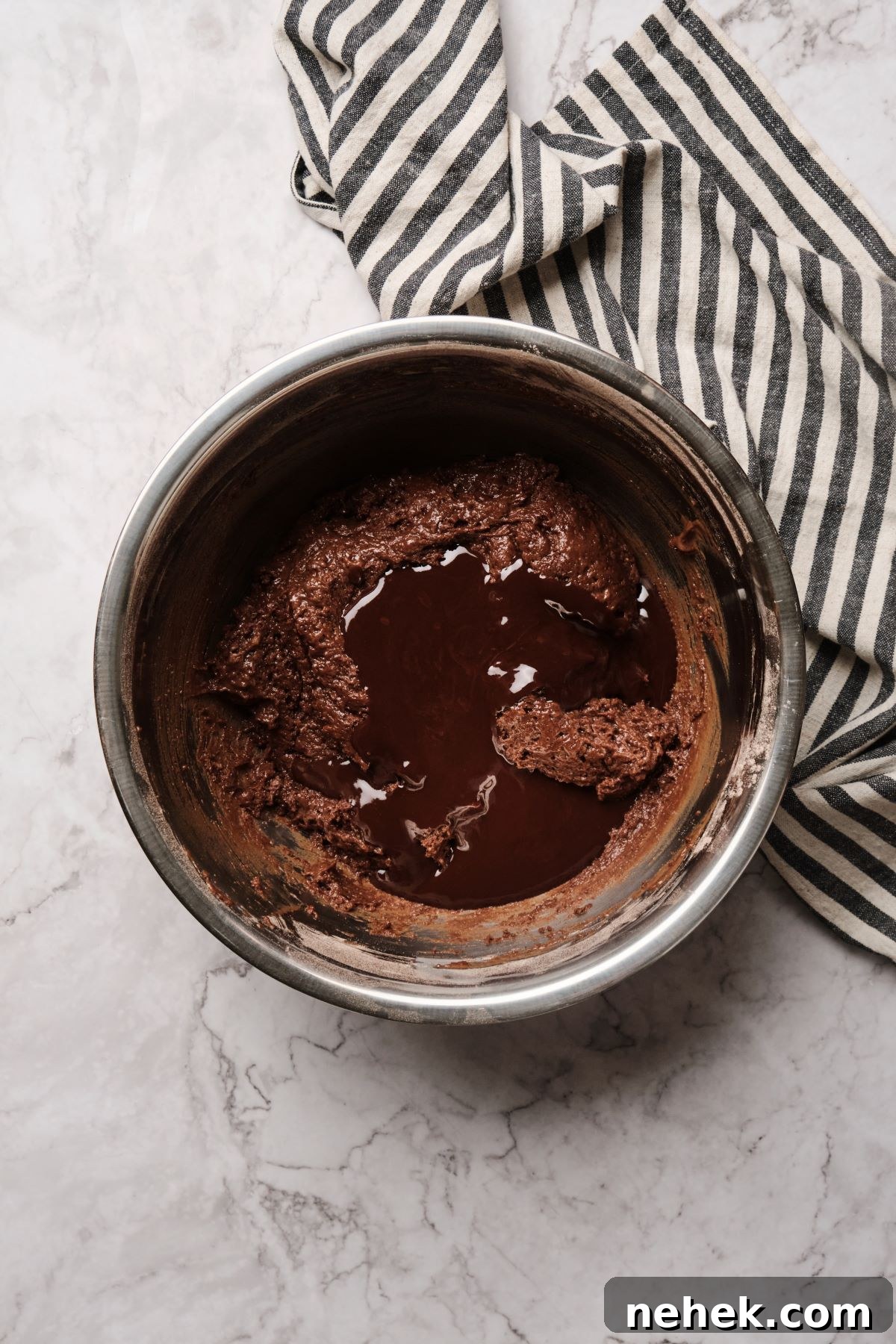
Combine the wet and dry mixtures, mixing gently until just combined. If your recipe calls for melted butter, add it toward the end to avoid re-solidification when mixed with cold liquids.
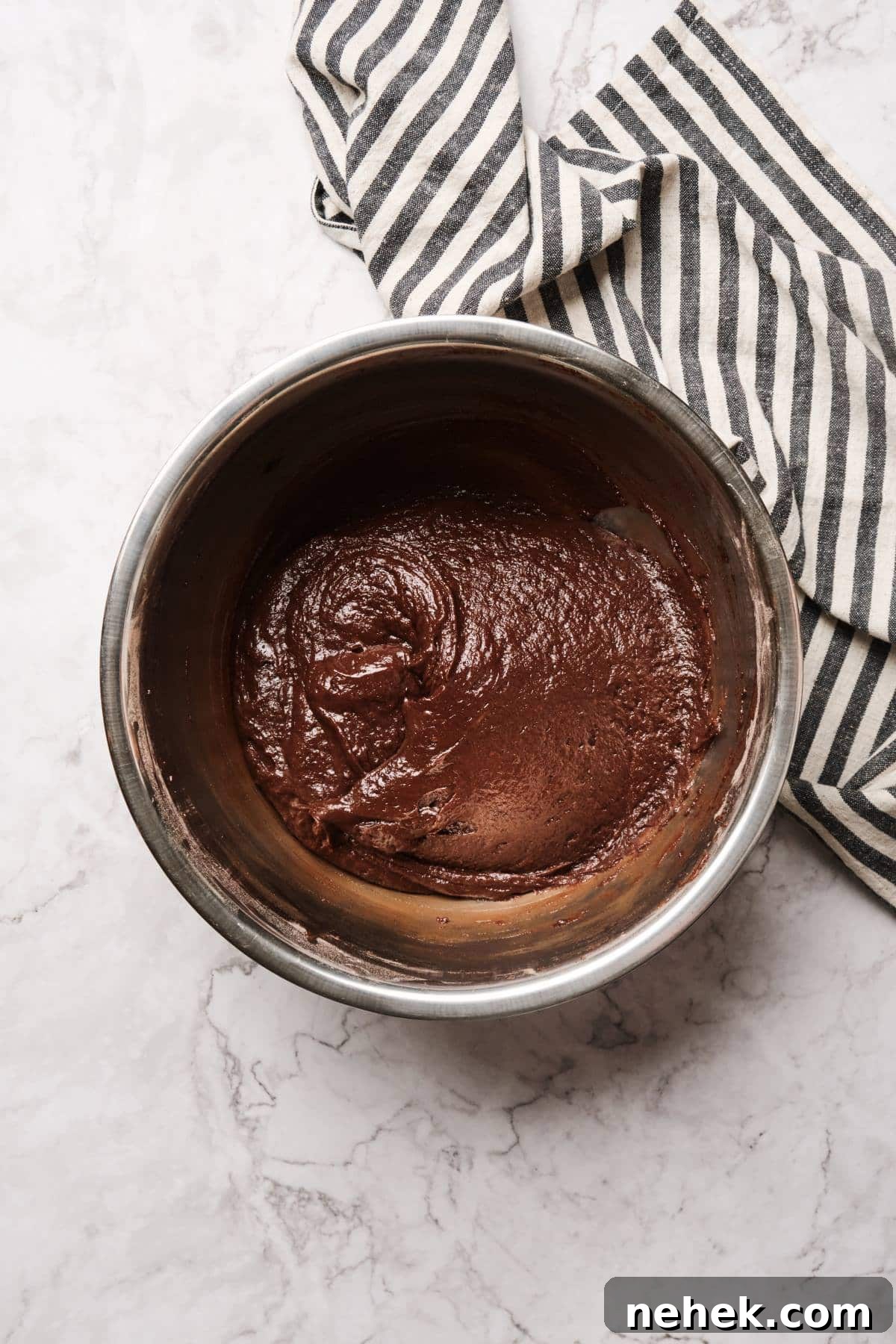
Mix only until combined—overmixing increases gluten development and will lead to a tougher crumb.
Popular Recipes
The two-bowl method works especially well for rich, moist recipes and those with fruit in the batter. For very light vanilla cakes I often prefer creamed or reverse creamed methods.
- Triple Chocolate Ganache Cake
- Red Velvet Bundt Cake
- Moist Carrot Cake
Traditional Creaming Method
The traditional creaming method is the classic approach most people picture when thinking about cakes. Start by creaming room-temperature butter and sugar until light and fluffy. This traps tiny air bubbles that expand during baking, producing a light, airy crumb.
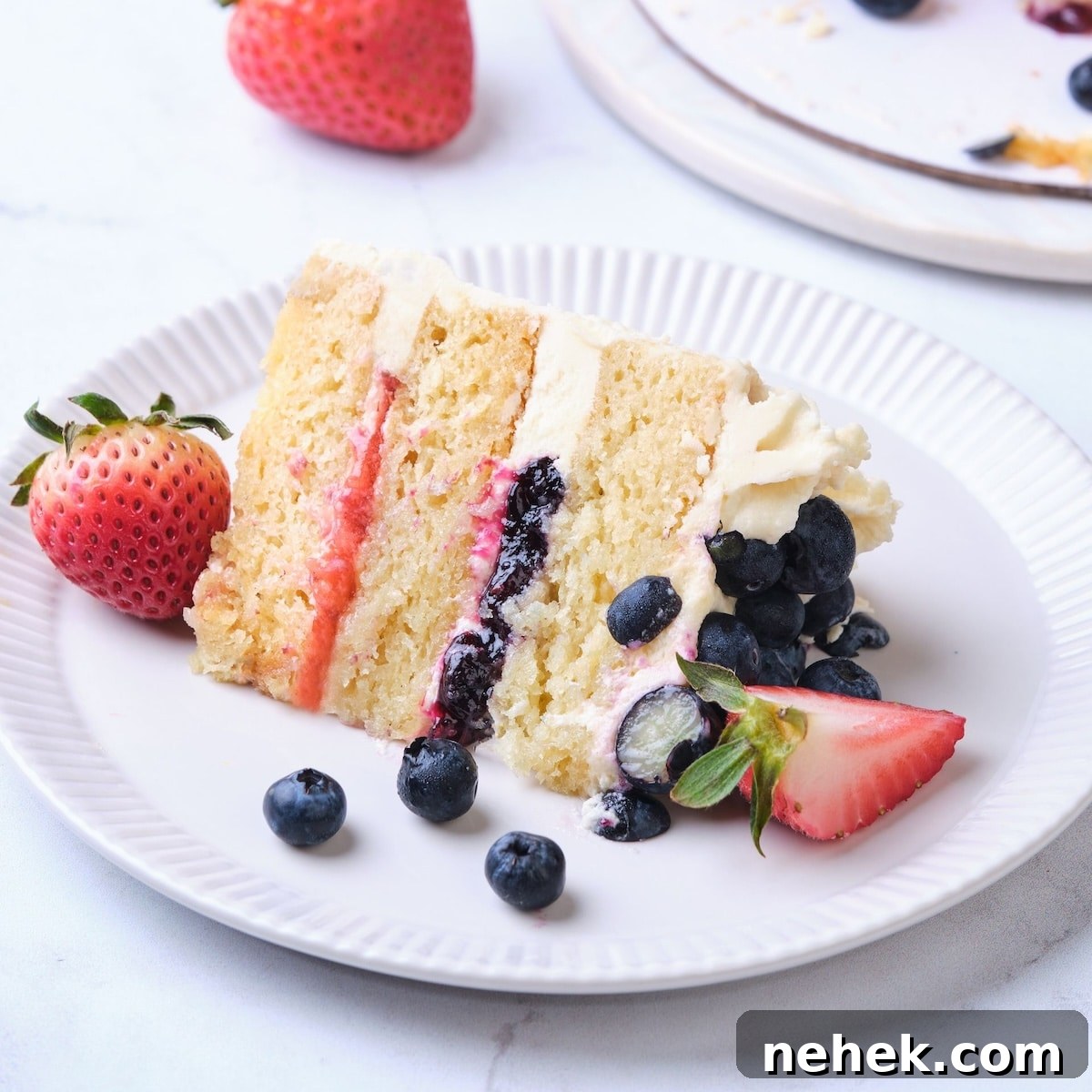
Using properly softened butter is essential: it should give a slight indentation when pressed but still hold its shape. Too cold and it won’t aerate; too soft and it won’t trap air effectively.
Equipment
This method typically uses a stand mixer with a paddle attachment or an electric hand mixer. Attempting to cream butter and sugar by hand rarely produces the same light texture.
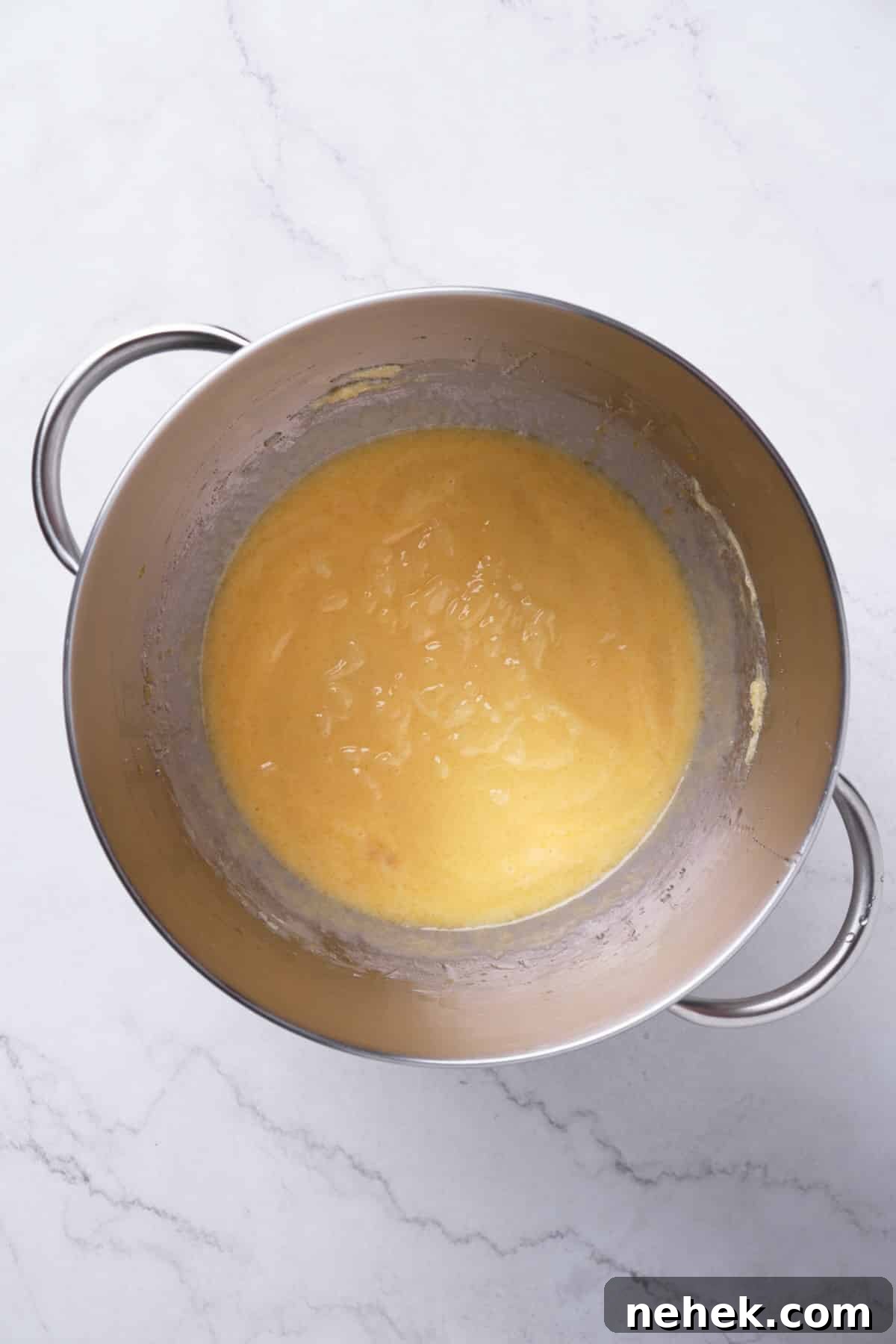
Cream butter and sugar until fluffy, then add any oil if the recipe calls for it. Add eggs or yolks and continue mixing.
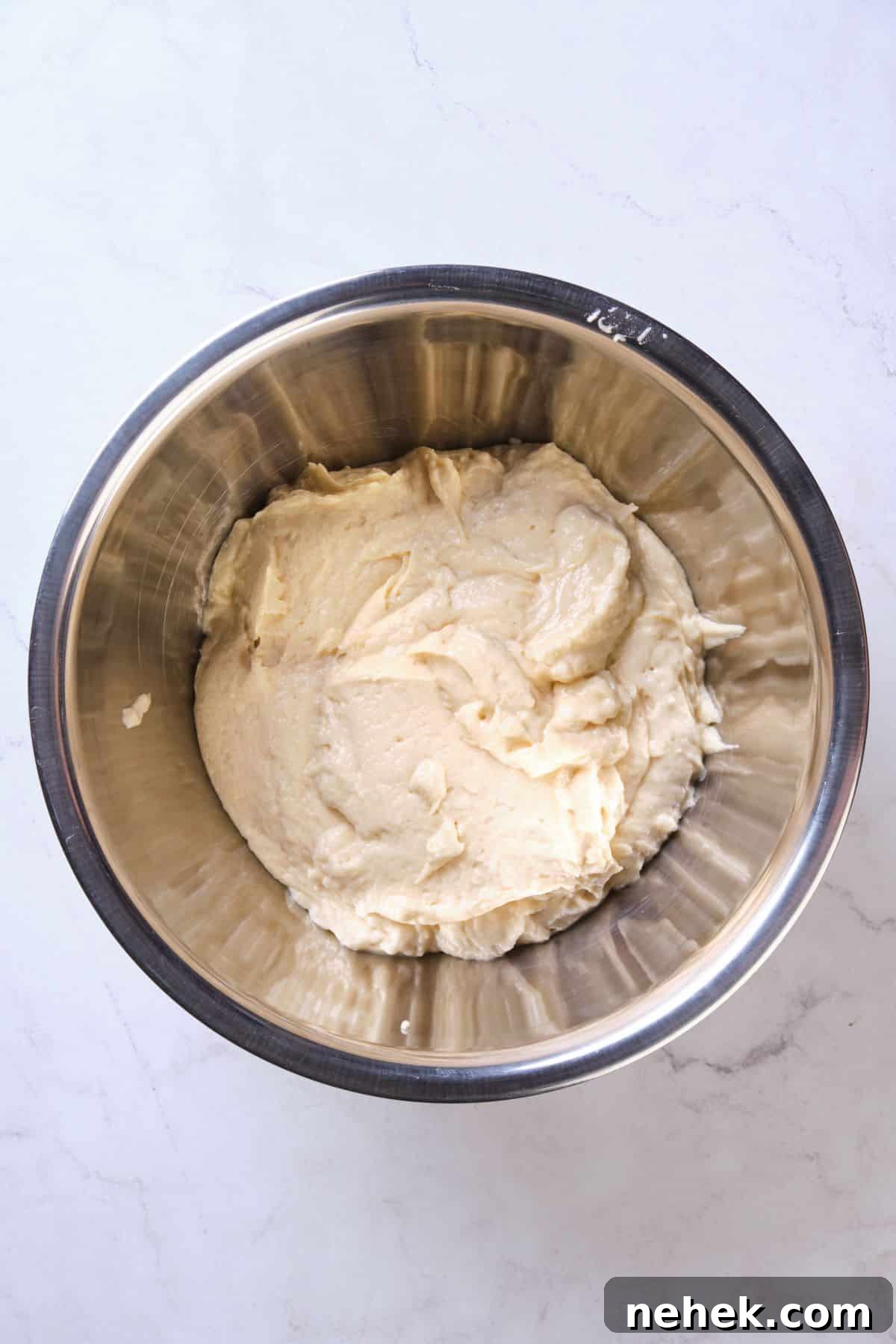
Alternate adding dry and wet ingredients until just combined to preserve the aeration created during creaming.
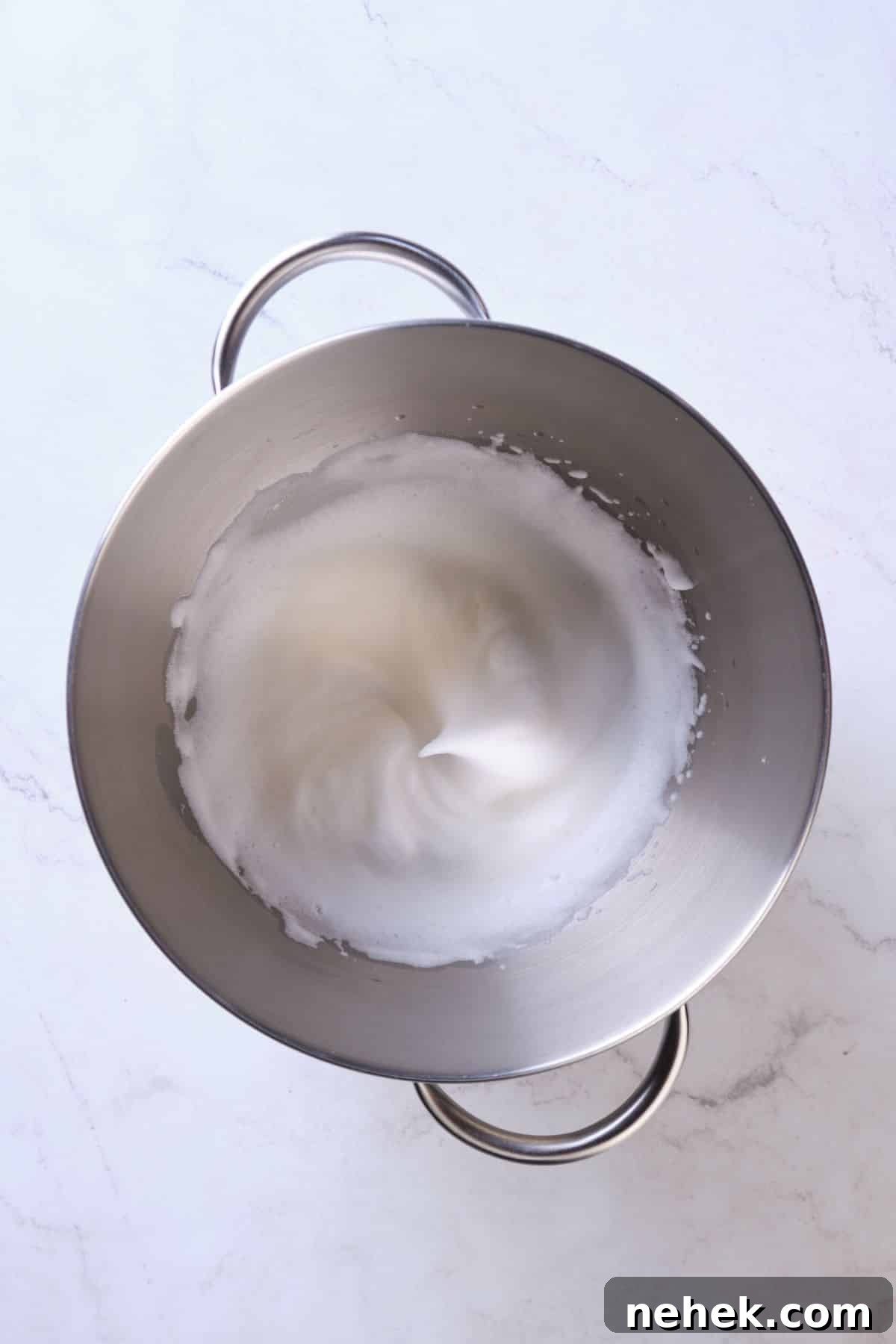
Some recipes call for whipping egg whites separately to stiff peaks and folding them into the batter for an even lighter texture.
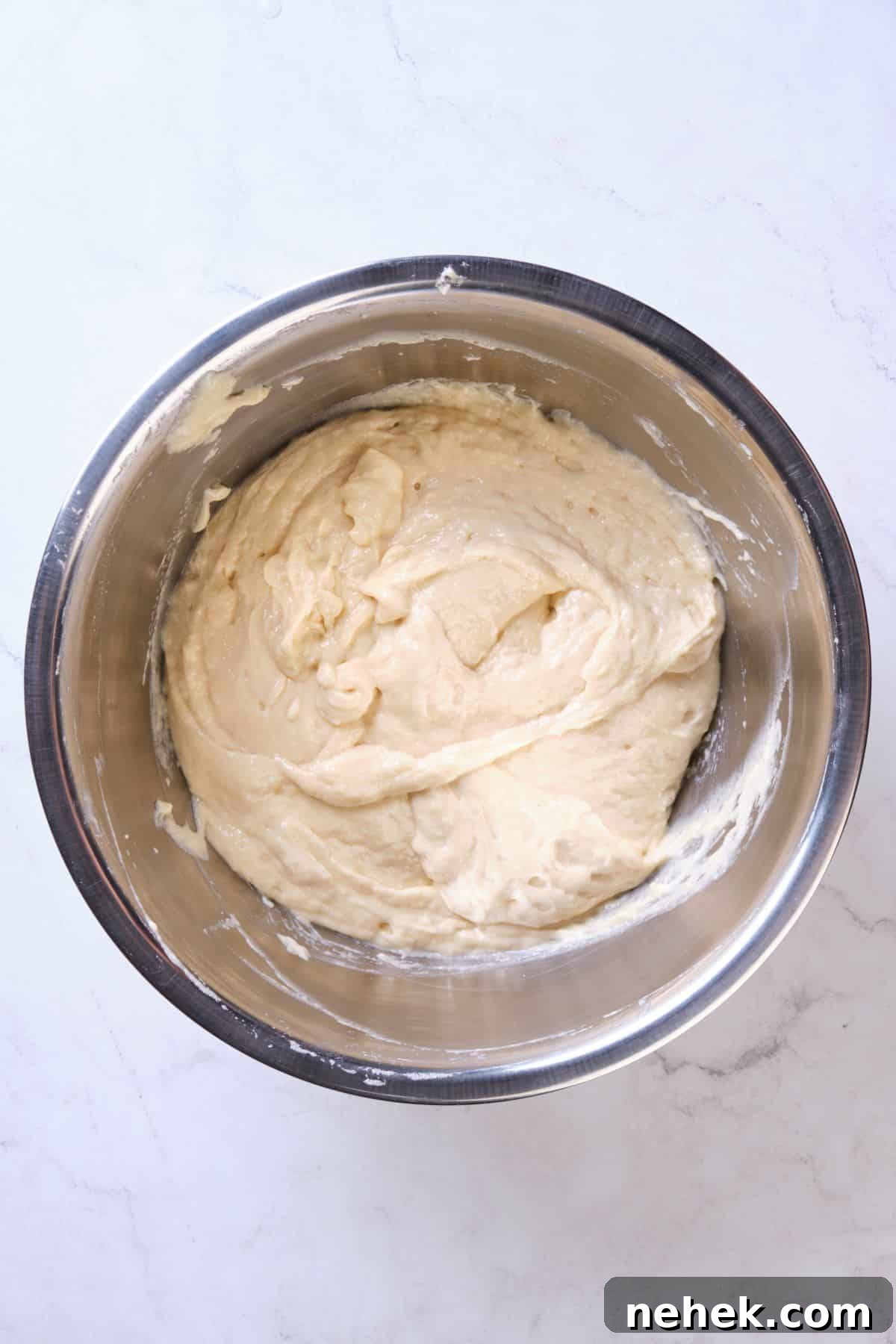
Gently fold whipped egg whites into the batter as the final step when the recipe specifies it to preserve the air you’ve incorporated.
Variations
- Folding Egg Whites: Beating egg whites and folding them in gives the lightest, airiest cakes—great for sponge-like textures.
- Not Folding Egg Whites: Adding whole eggs directly to the creamed mixture still incorporates air but yields a denser, more stable crumb suitable for butter-based cakes.
Popular Recipes
This method is ideal for many layer cakes and classic butter cakes. For cupcakes I sometimes prefer the two-bowl or reverse creaming methods to reduce shrinking.
- Vanilla Almond Cake
- Vanilla Bean Cake with Raspberry Filling
- Lemon Drizzle Cake
Reverse Creaming Cake Mixing Method
The reverse creaming method has quickly become one of my favorites. It mixes butter into the dry ingredients first—so the flour is coated in fat—then adds the liquids. This approach reduces gluten formation and the risk of overmixing, producing tall cakes with a soft, tender crumb.
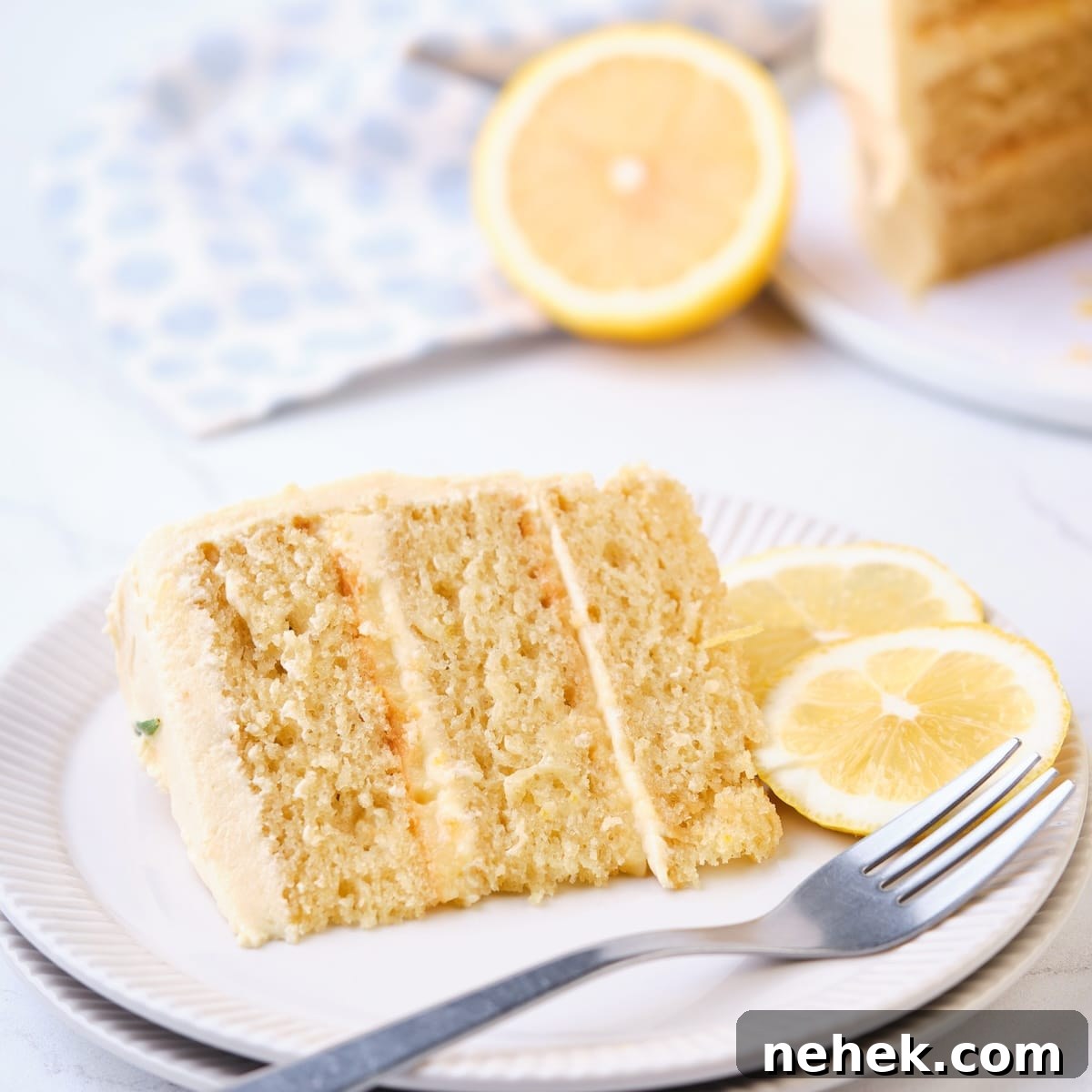
Because the method doesn’t rely on trapping air in the same way as creaming, cakes made with reverse creaming are less likely to sink, become gummy, or develop a dense texture from overwork. The batter also comes together faster since you usually skip whipping egg whites separately.
Equipment
Use a stand mixer or a hand mixer with a mixing bowl, plus a separate bowl and whisk for the wet ingredients. The process is straightforward and forgiving.
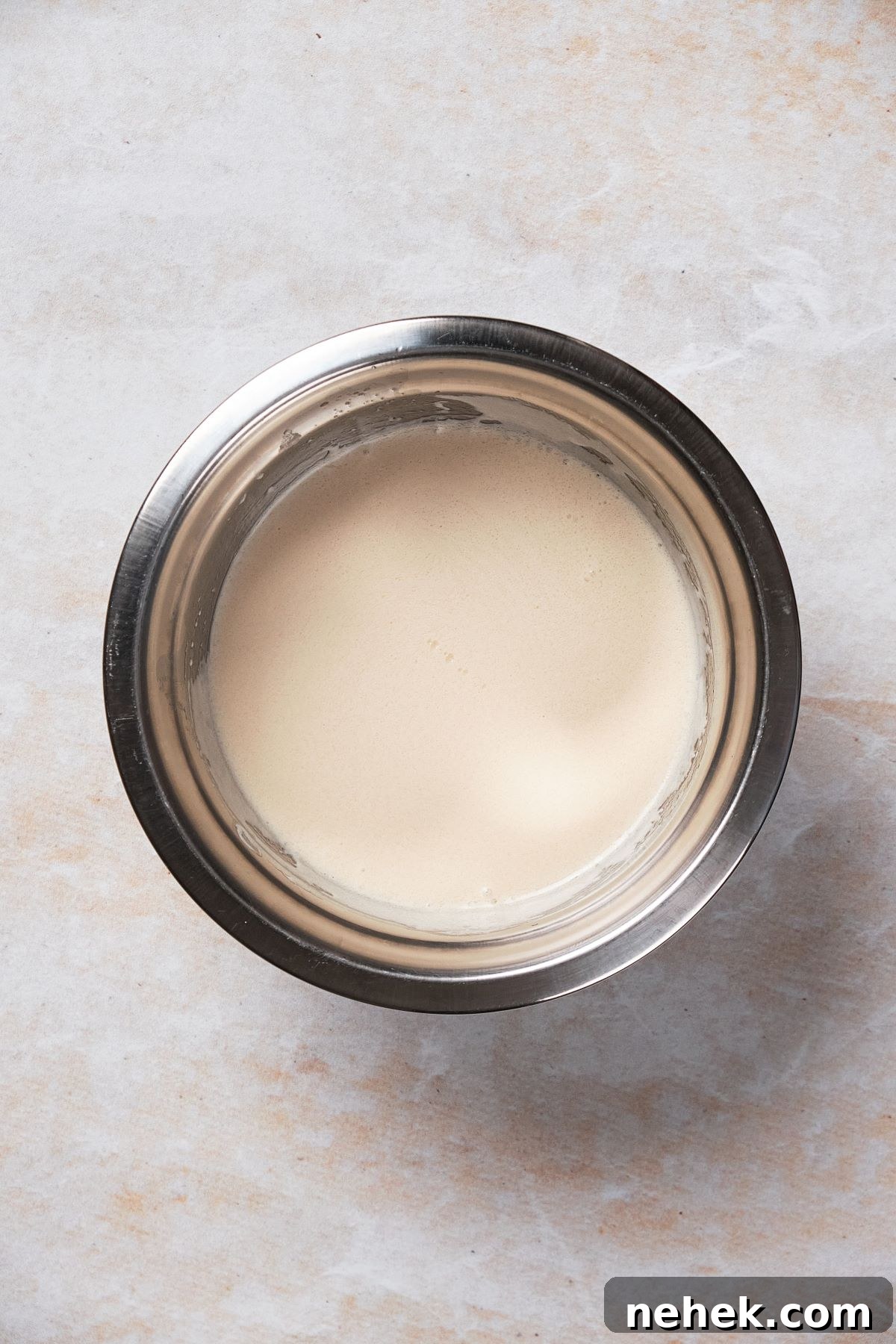
Whisk liquid ingredients in one bowl.
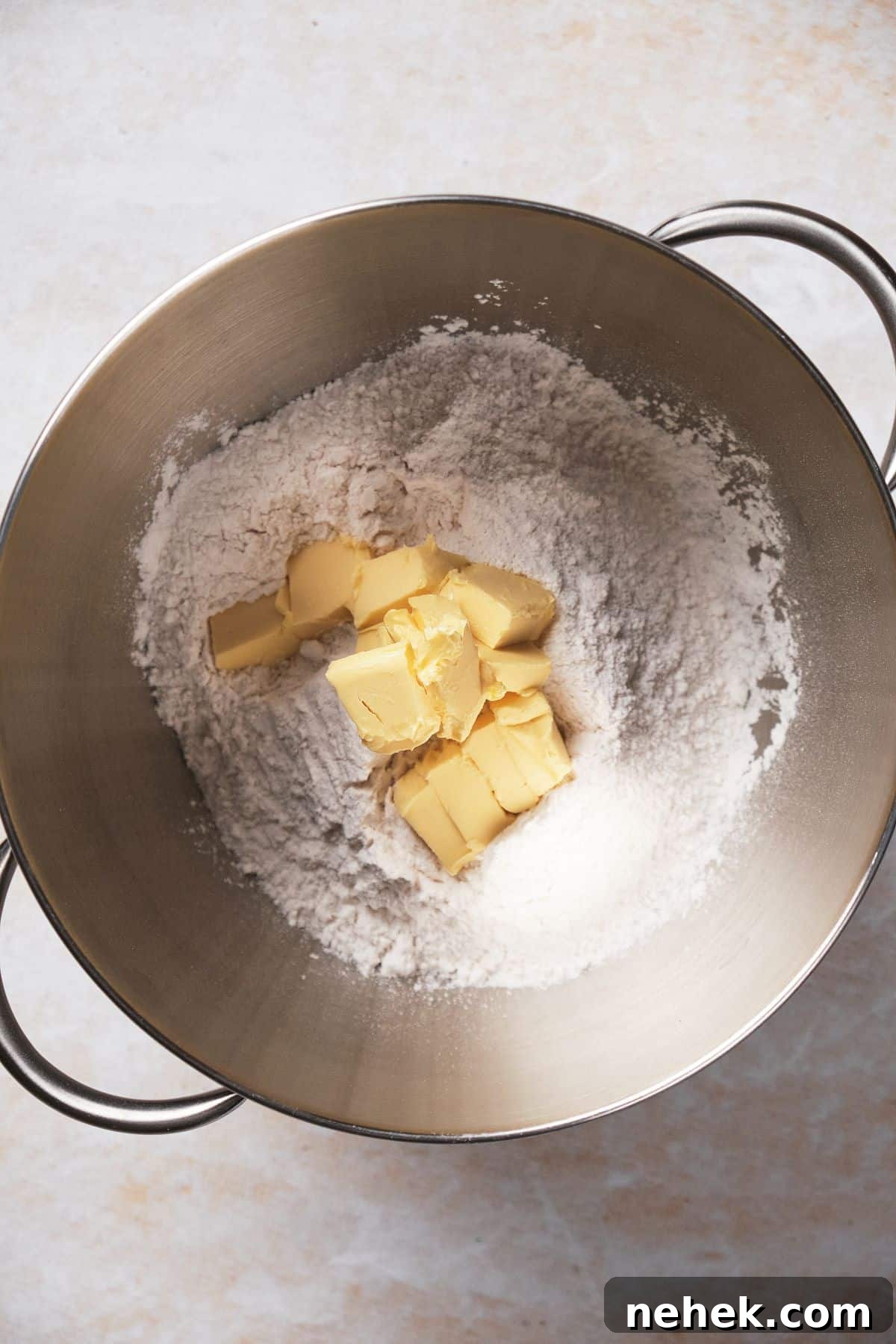
Add softened butter to the dry ingredients in your mixer bowl.
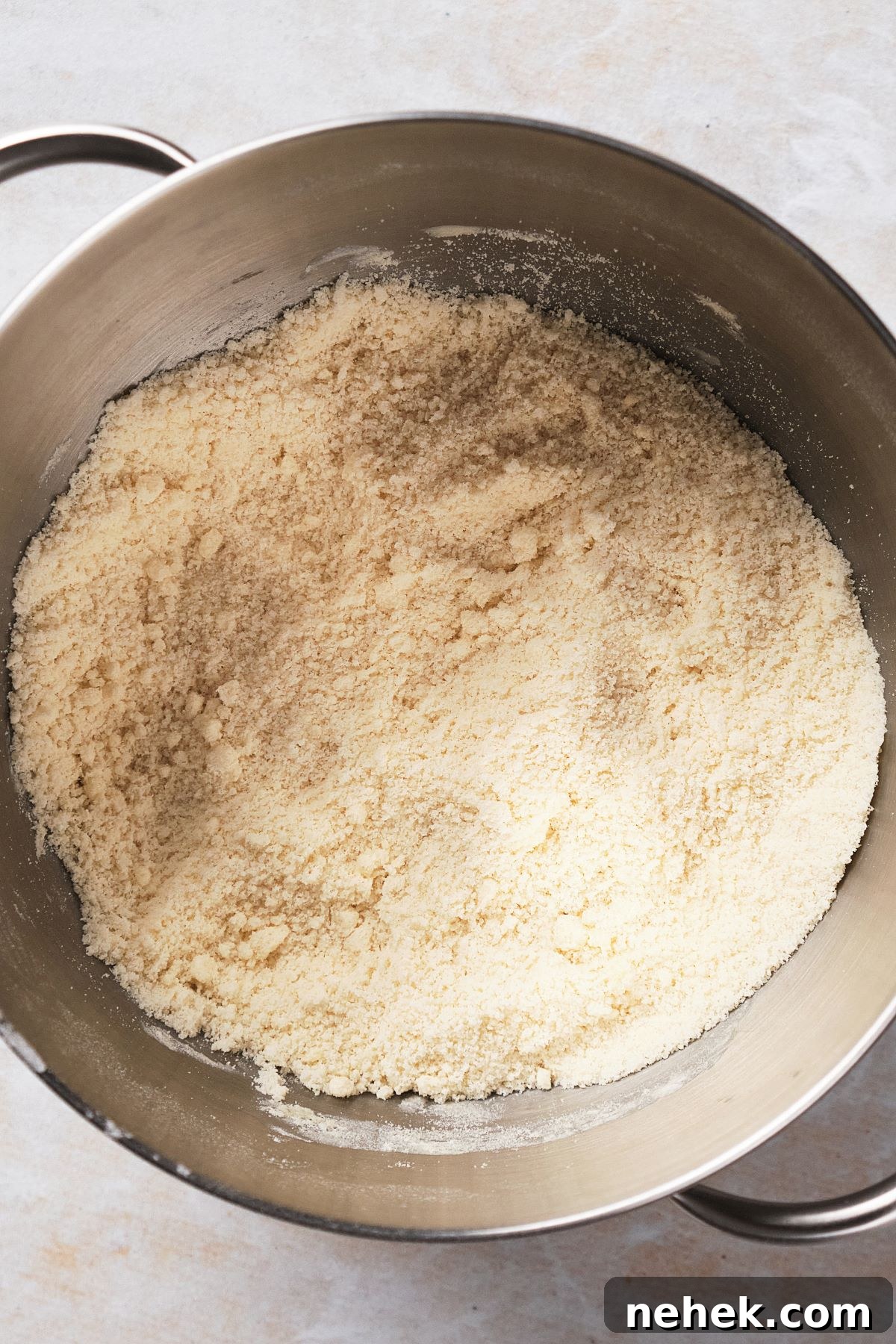
Mix until the mixture resembles coarse, sandy crumbs—this coats the flour in fat and limits gluten development.
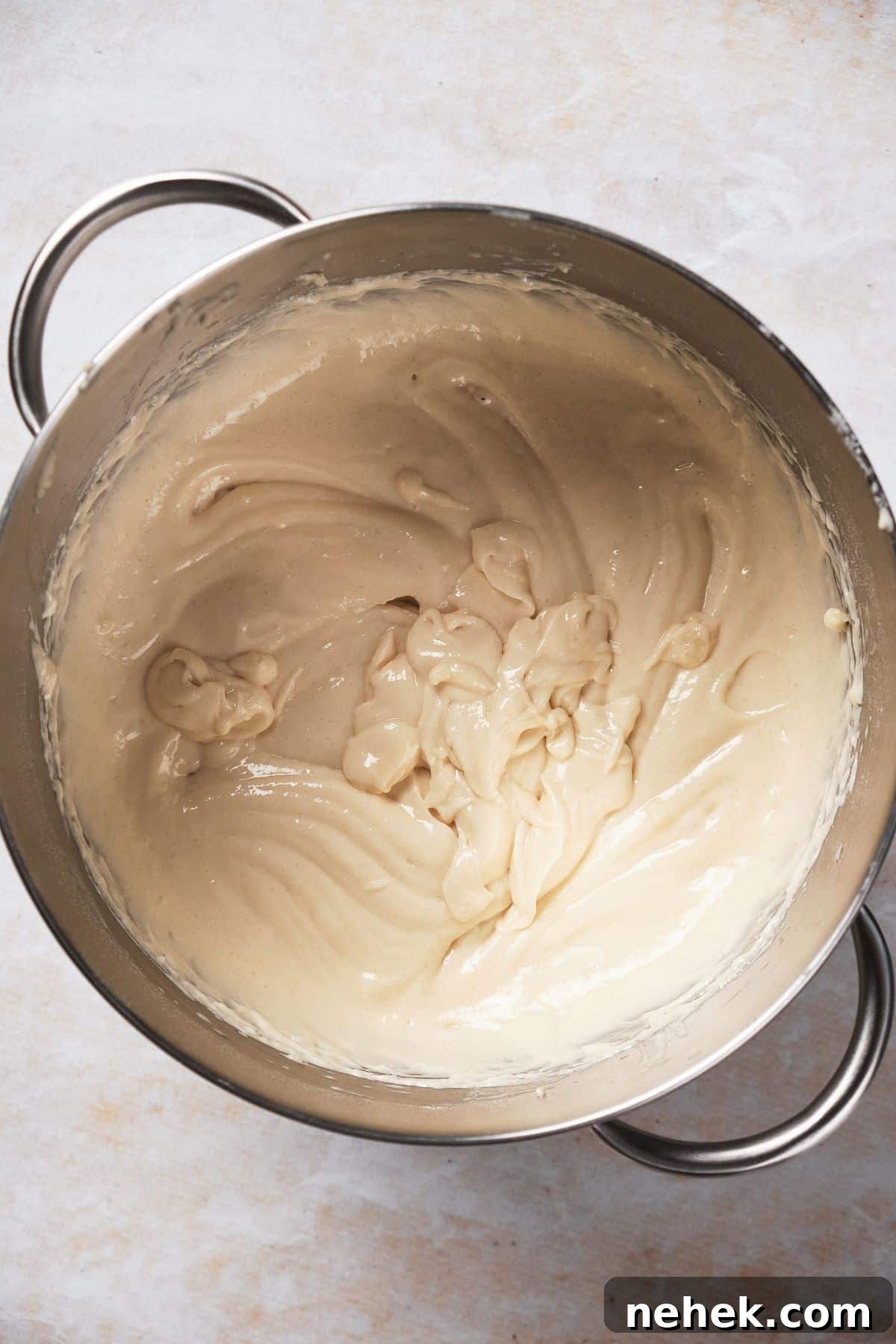
Add the wet ingredients and eggs, mixing until the batter is smooth and uniform. Avoid overmixing once liquids are added.
Popular Recipes
- Reverse Creaming Method Vanilla Cake
- Coconut Cream Cake
Other methods exist—like the egg foam method used for angel food and sponge cakes—but the three described above cover the majority of everyday baking needs. I prefer moist cakes, so many of my recipes emphasize ingredients and techniques that retain moisture.
If a favorite recipe uses the creaming method, try it as written. But if you want to reduce gluten development or make a recipe more forgiving, consider converting it to the reverse creaming method—you may be pleased with the results.
Mastering these three methods will increase your consistency and confidence in the kitchen. Practice each one and note how texture and structure change so you can choose the best method for every cake you bake.