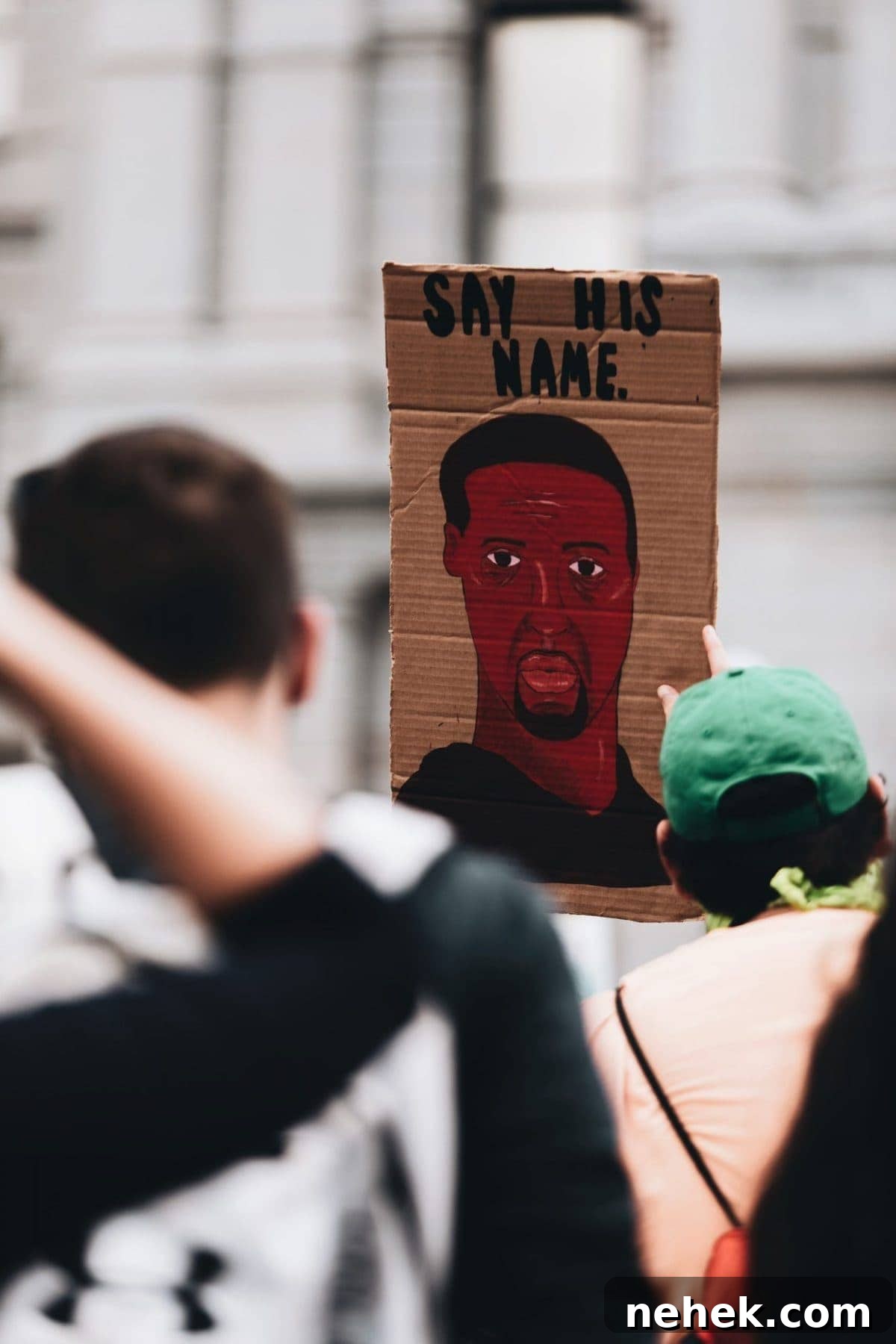
For days the image of a Black man lying face down on concrete with a police officer’s knee on his neck has stayed with me. He was pinned on his stomach while pleading for breath, and his life was taken after roughly eight minutes. It is a horrifying and unforgettable tragedy.
The man’s name was George Floyd. He called out, “I can’t breathe,” yet the officer remained. He was someone’s father, brother, and son. His death has become a devastating symbol of a much larger problem.
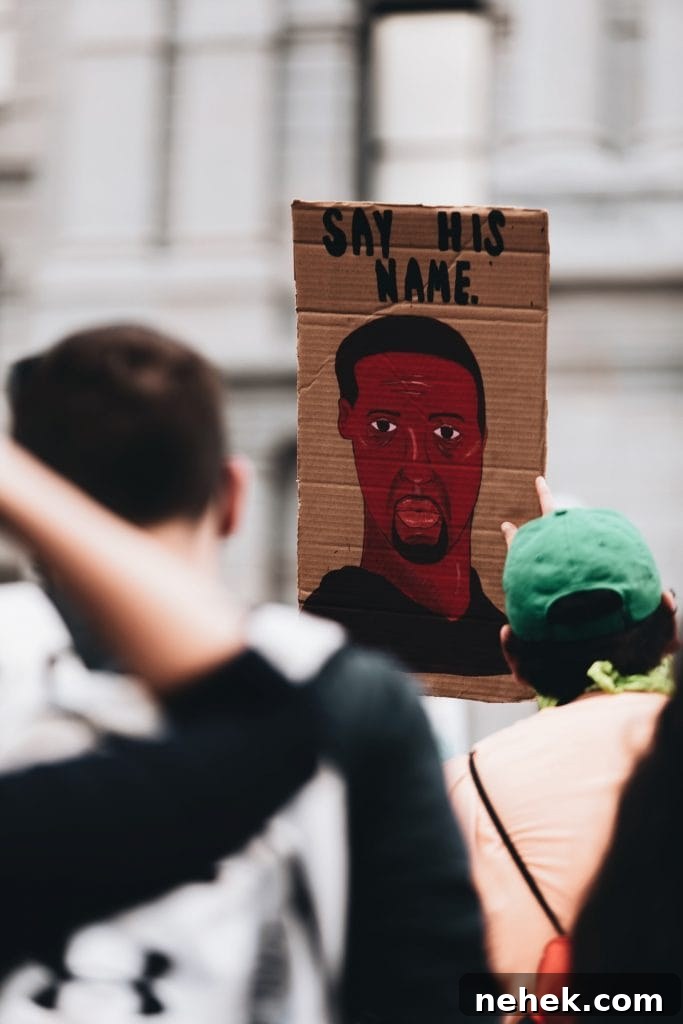
Since I moved to the United States six years ago, I have heard many stories of police violence against people who look like me and like my husband. Too often, people of color have been harmed or killed by those sworn to protect. This is a deep injustice and a painful reality: racial inequality persists even in a nation that calls itself the land of the free.
But there is reason for hope. We can confront racism openly, name it for what it is, and work to dismantle it. Each of us has a role to play in resisting this destructive force.
Here are seven practical ways we can be part of the solution:
1. Seek to Understand
Many people don’t fully grasp the reality of racism, especially if they have never been made to feel inferior because of their race. Education is the starting point. Read books, watch documentaries, and listen to the stories of those who have lived through racial injustice. Films and series that explore the history and systems of racism can help expand awareness and empathy.
2. Treat Every Person With Dignity and Respect
All people, regardless of language, skin color, or background, deserve equal dignity. Never assume someone is less worthy because of race or treat people preferentially because of it. Black, brown, white—every life has intrinsic value, and our actions should reflect that truth.
3. Teach Children the Truth About Racism
Educating the next generation is essential. Teach children about the history of racism and the leaders who challenged it—people like Rosa Parks and Dr. Martin Luther King Jr. Help young people understand that racism is real and that they can be part of the fight against it, whether they are Black, white, or from any other background.
4. Speak Up
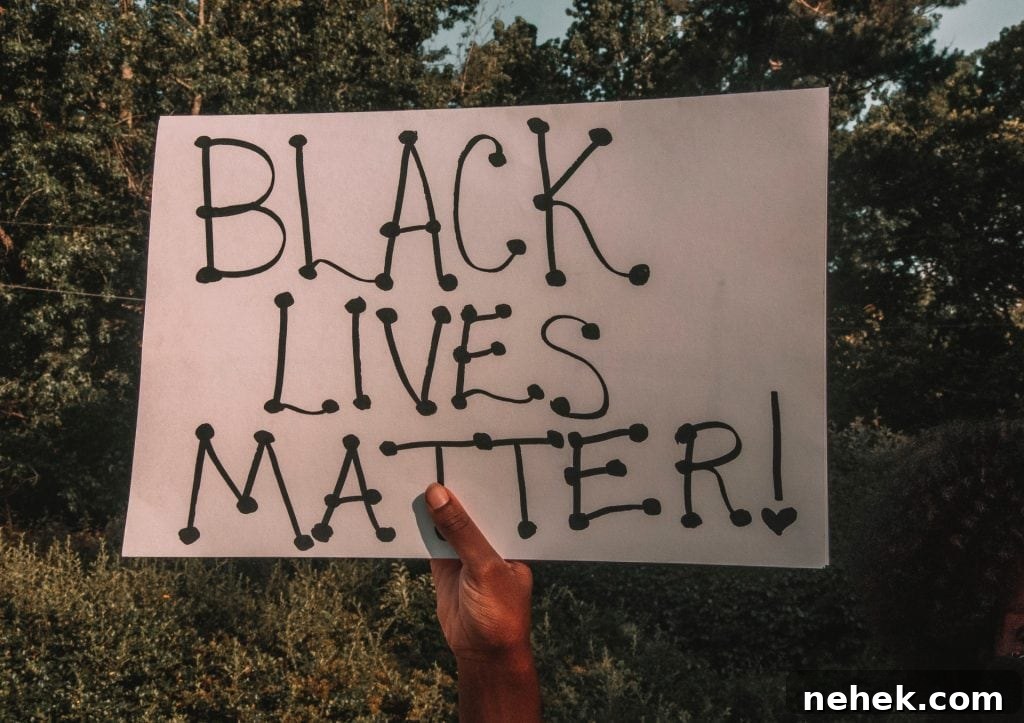
Silence allows injustice to continue. Whether in your neighborhood, workplace, or online, use your voice to call out racism and support victims. Speaking up can influence others, shape public dialogue, and create pressure for meaningful change. History shows that vocal opposition to injustice moves societies forward.
5. Love, Don’t Return Hate
Reacting to racism with hatred only spreads harm. Retaliatory hostility entrenches divisions and perpetuates suffering. Responding with compassion, while holding people and systems accountable, breaks the cycle of hate and opens a path toward reconciliation and healing.
6. Build Tables
Fear often grows from unfamiliarity. Rather than retreating from people who seem different, invite them into conversation. Create spaces where people of diverse backgrounds can meet, share stories, and build relationships. These encounters reveal our shared humanity and reduce prejudice.
7. Pray
Then if my people who are called by my name will humble themselves and pray and seek my face and turn from their wicked ways, I will hear from heaven and will forgive their sins and restore their land.
Many find comfort and direction in faith. For those who believe, prayer offers a way to seek healing, wisdom, and unity. Our nation is wounded and needs restoration; prayer can be part of that collective response.
We must strive to live together in peace—people of every color and background. All of us are human, and together we can work toward justice, healing, and dignity for everyone.