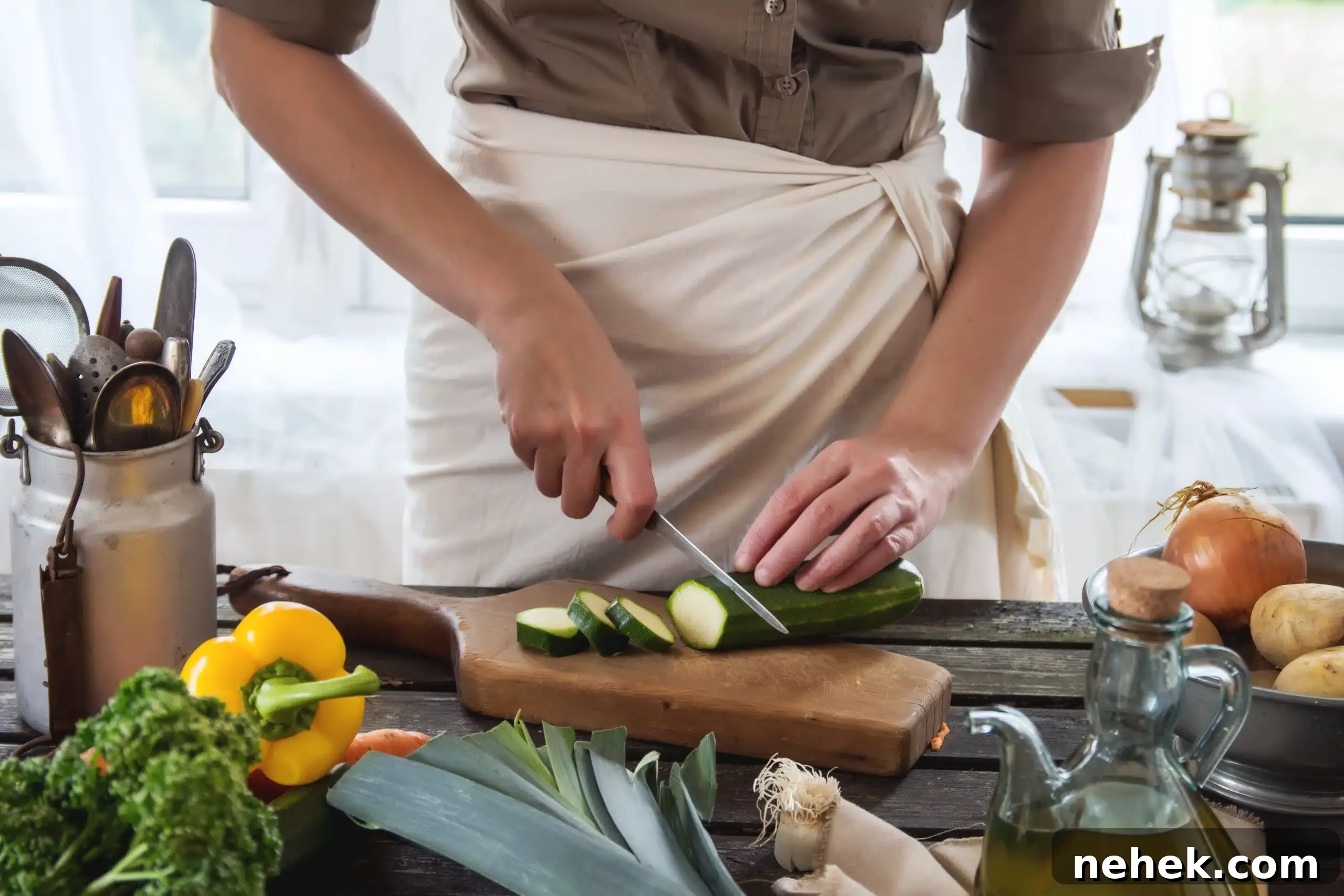
Turning your kitchen into a place that supports healthier habits is one of the most practical and sustainable ways to keep New Year’s resolutions. Change rarely happens overnight—healthy eating is a practice that grows with intention and preparation. Start by shaping the environment where you plan and prepare food. The following suggestions will help you organize, equip, and style your kitchen so it becomes easier and more enjoyable to choose nutritious meals and snacks.
Keep Healthy Options Visible
What greets you when you walk into the kitchen? If sweets and highly processed snacks dominate the counter, they’re the items most likely to be eaten. Replace that visual temptation with fruit bowls and other wholesome grab-and-go options. Display apples, oranges, bananas, and individually wrapped granola or nut bars in an attractive bowl or on a tiered stand. Having healthy choices front and center makes the better option the easier option and encourages everyone in the household to reach for nutritious snacks instead of indulgent treats.
Reorganize Your Fridge and Pantry
A health-focused kitchen starts with what’s stored inside. Even if fresh fruit sits on the counter, a pantry or refrigerator packed with less-healthy items makes it harder to stick with better choices. Clear out expired or seldom-used items, then reorganize so each food group has a dedicated space. Reserve an easy-to-reach shelf or drawer for refrigerated snacks—prepped veggies, hummus, yogurt cups, and portioned nuts—so both kids and adults can quickly find a healthy option. In the pantry, group staples like whole grains, canned beans, and healthy baking supplies together for fast meal planning and grocery lists.
Consider Open Shelving
Open shelves can be both practical and motivational. When healthy items are on display—jars of oats, whole-grain pastas, dried legumes, or a small indoor herb garden—you’re more likely to use them. Shelving also helps you see what you have at a glance, which reduces duplicate purchases and encourages mindful shopping. Even a few shelves near a window or above a counter create space for fresh herbs, attractive containers of staples, and neat rows of snacks that invite healthier choices.
Designate a Meal-Prep Area
Meal prepping reduces decision fatigue and makes it easier to eat well throughout the week. Dedicate a specific area in the kitchen to prep: a clear section of counter, a cutting board station, or a mobile bar cart that can be stored when not in use. A cart or rolling island is a smart solution for small kitchens because it provides extra workspace and storage for spices, measuring tools, and containers, yet tucks away to keep the kitchen tidy. When a space is set aside for prep, you’re more likely to use it regularly and keep ingredients and tools organized for quick assembly.
Invest in Useful Appliances
High-quality, time-saving appliances make healthy cooking more convenient. Tools like air fryers, blenders, food processors, slow cookers, pressure cookers, and salad spinners streamline meal prep and expand the variety of quick, nutritious dishes you can make. Choose a few reliable appliances that match your cooking style—one that helps you steam, blend, or roast with less oil and less effort can transform weeknight meals and reduce reliance on convenience foods.
Create Space for Vitamins and Daily Routines
A kitchen that supports health goes beyond food and gadgets; it also houses daily supplements and habits. If you take vitamins or other daily supplements, store them in a consistent, visible spot—near the coffee maker or next to a breakfast station—so they become part of your morning routine. Designated storage helps prevent missed doses and keeps everything organized. Keep supplements in their original containers and out of reach of children, and consult a healthcare professional about what’s appropriate for your needs.
Make the Space Warm and Inviting
A well-designed kitchen is a welcoming place where you want to spend time cooking and sharing food. If the room feels cold or cluttered, it’s harder to stay motivated. Consider fresh paint in warm tones, simple decorative accents, good lighting, and a cohesive theme that reflects your taste. A pleasant environment encourages family members to cook, eat together, and participate in healthier routines, turning meal times into a positive part of daily life.
Healthy eating habits grow from repeated, simple choices made easier by a supportive environment. By organizing your fridge and pantry, displaying wholesome options, dedicating a prep area, investing in helpful appliances, and creating an inviting atmosphere, you set yourself up for lasting change. Small adjustments in the kitchen lead to big improvements in the way you eat and feel—make the space a health-friendly hub for your home and enjoy the benefits of more mindful, nutritious meals.