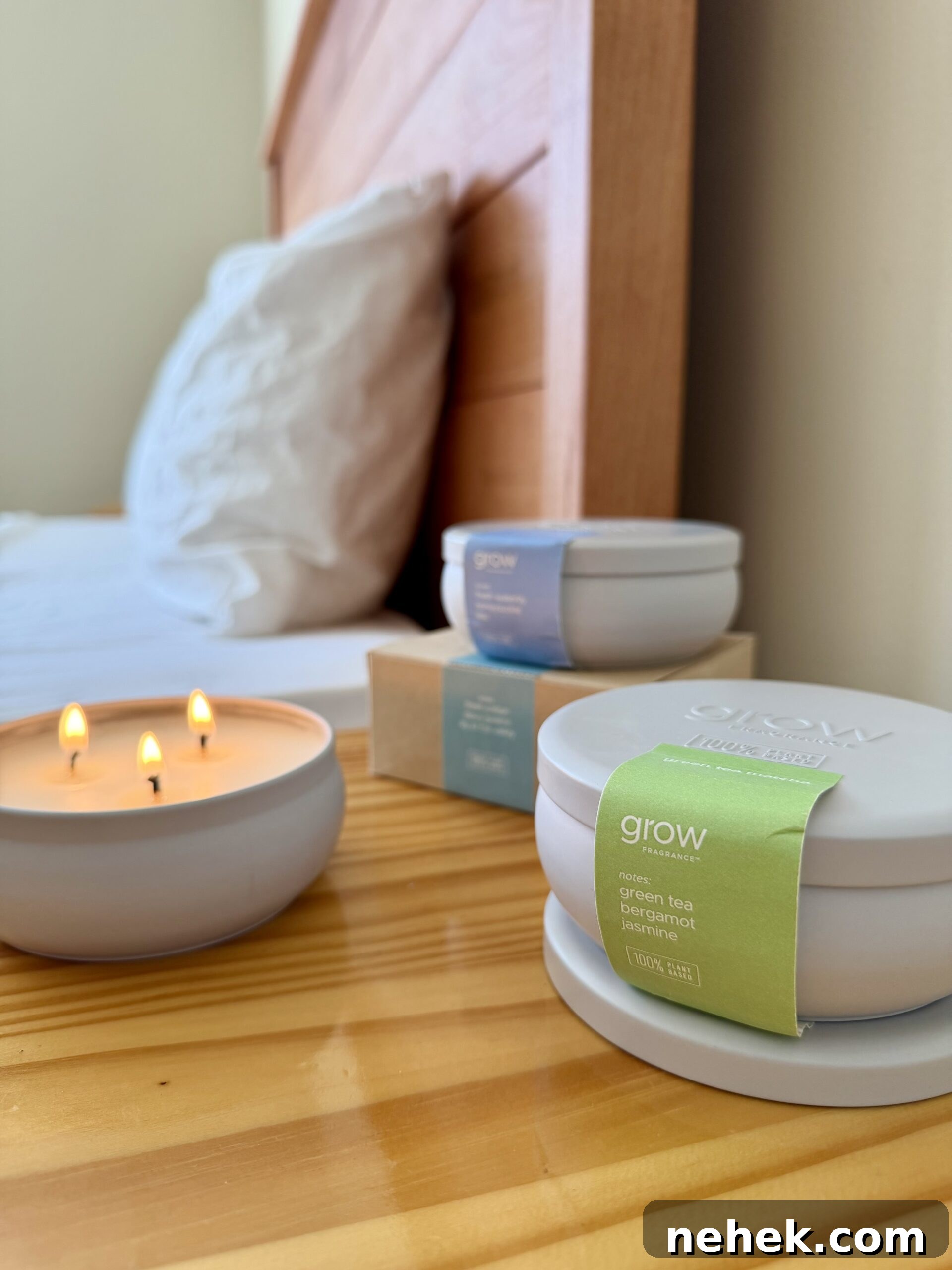
Just like many other home and personal care categories, candles can be confusing. There’s no standardized regulation around the types of wax used, and fragrances often contain hidden chemicals that can be harmful.
Soy candles aren’t perfect, but they are generally a better alternative to conventional paraffin wax. In this article you’ll learn why soy is often preferable and how to choose safer soy candles. We’ll also share several top non-toxic soy candle brands we recommend.
Table of Contents
- What’s Wrong with My Regular Candles!?
- Are Soy Candles Actually Better? (Pros and Cons of Soy Wax Candles)
- Are All Soy Candles Non-Toxic?
- Watch Out for “Soy Blends”
- The 7 Best Non-Toxic Soy Candle Brands
- Grow Fragrance
- Stonelight Candle
- Sounds
- Hyggelight
- Are Yankee’s Soy Candles Good?
- What About Bath and Body Works Candles?
- More Non-Toxic Candle Guides
- Conclusion
This post may contain affiliate links. We recommend products we truly believe in and only highlight items that meet our safety and transparency standards.
Featured image credit: Grow Fragrance
What’s Wrong with My Regular Candles!?
Scent is powerful: it sets a mood, makes a space feel cozy, and masks unpleasant odors. That said, many conventional candles are made from paraffin wax, a petroleum-derived material that can release pollutants when burned. Indoors, these emissions can linger and reduce air quality. Choosing a different wax and checking fragrance transparency can reduce your exposure to unwanted chemicals.
Are Soy Candles Actually Better? (Pros and Cons of Soy Wax Candles)
Candles are made from many types of wax: paraffin, soy, beeswax, coconut, tallow, and more unusual options like rice or sumac wax. Each option has its advantages and trade-offs. Soy wax can be a strong choice for several reasons:
- It’s plant-based and renewable compared with petroleum-derived paraffin.
- Soy typically burns cleaner and produces less soot than paraffin.
- It’s more affordable and accessible than some alternatives like beeswax or pure coconut wax.
But soy has downsides too:
- Soy wax is processed during manufacturing, and by current standards cannot be certified organic even if the soybeans started out organic.
- Large-scale soybean production is often associated with monoculture farming practices that can stress soil health and biodiversity and require pesticides.
- Some manufacturers mix other, less-desirable waxes into “soy blend” products without clear labeling.
- Soy candles can burn for a shorter time than beeswax or tallow candles in some formulations.
Home
The Best Natural & Non-Toxic Wax Melts
Safe wax melts are harder to find than candles, but there are high-quality natural options that smell great and are made without synthetic fragrance chemicals.
Are All Soy Candles Non-Toxic?
No. Labeling can be misleading: a candle with soy wax can still contain a synthetic fragrance blend that includes potentially harmful ingredients such as endocrine disruptors or other toxins. That’s why fragrance transparency matters as much as the wax itself. Look for brands that list their fragrance components or use 100% essential oils.
Watch Out for “Soy Blends”
“Soy blend” is a vague term that can hide a mix of waxes: paraffin, palm, beeswax, or other additives. Because manufacturers aren’t always specific, consumers can’t be sure what they’re burning. Favor companies that are transparent about their ingredients and avoid mystery blends if your goal is a cleaner, safer candle.
The 7 Best Non-Toxic Soy Candle Brands
There are many soy candles on the market. We narrowed our recommendations using these criteria:
- Ingredient transparency—no undisclosed “blends.”
- Use of only essential oils or fully disclosed fragrance blends.
- Lead-free cotton, hemp, or wooden wicks.
- Positive customer reviews, quality of scent, and overall experience.
Grow Fragrance
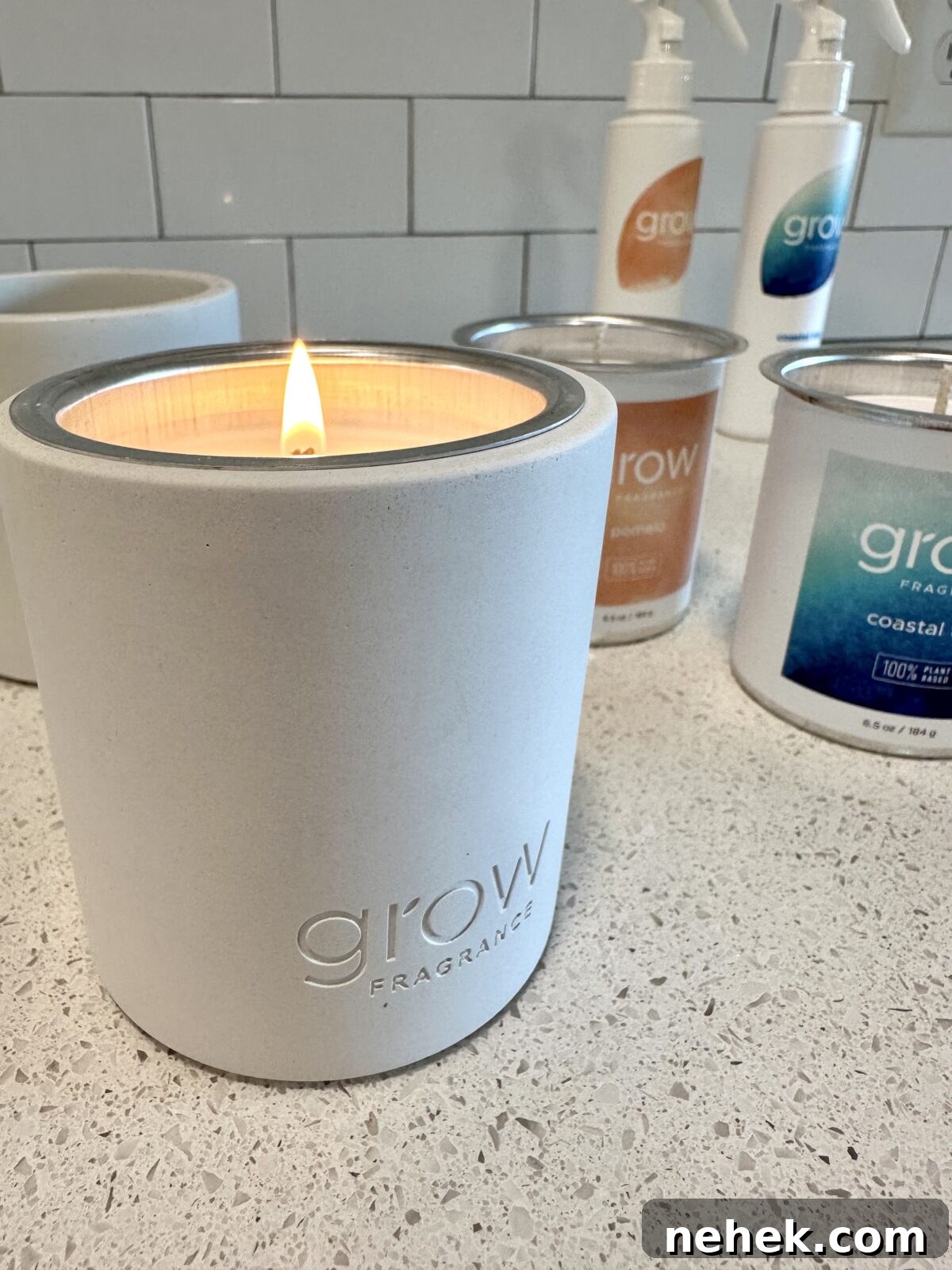
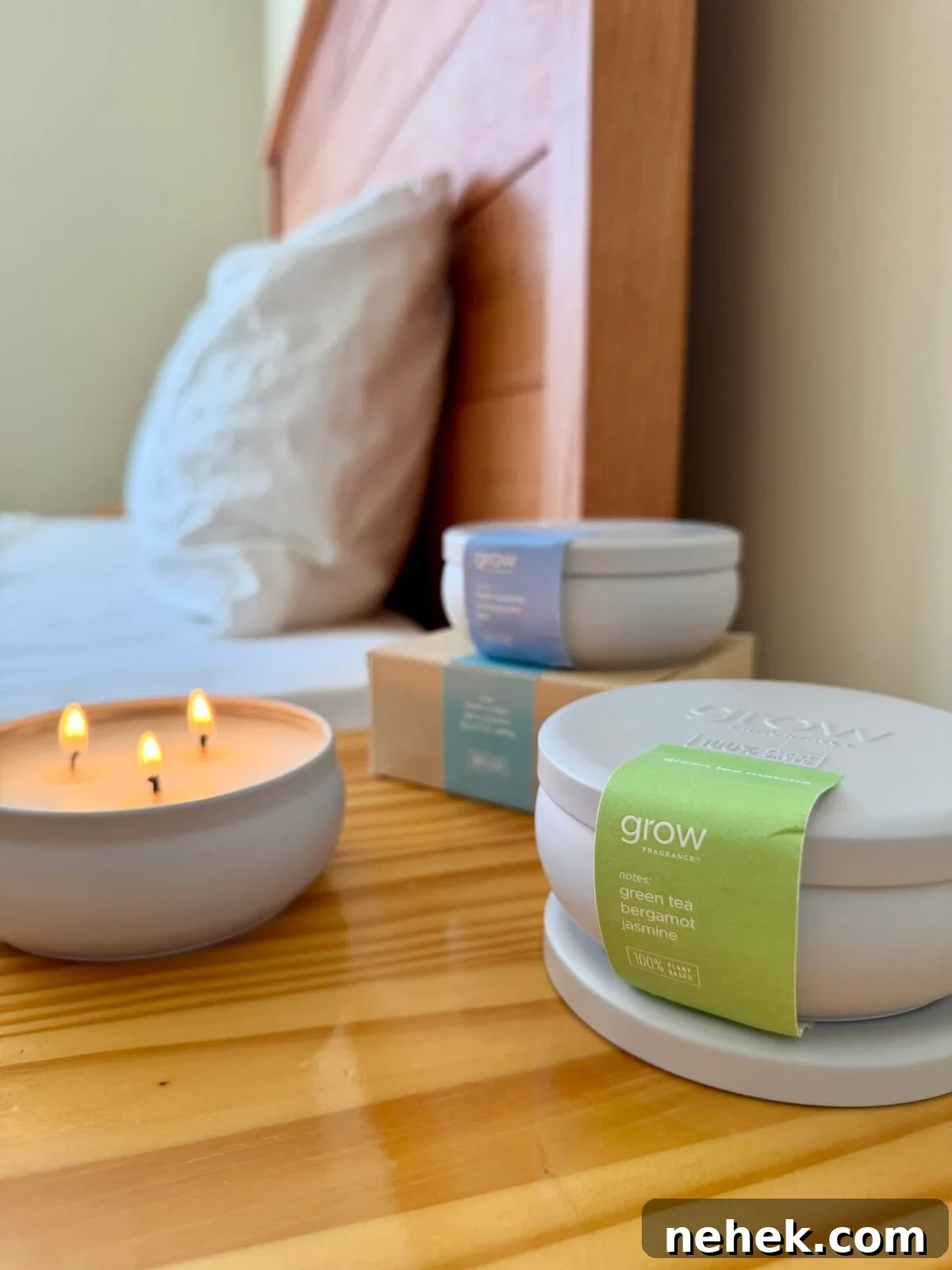
Grow offers plant-based candles made from a coconut and soy wax blend. The brand lists ingredients clearly and avoids phthalates, parabens, petroleum, and synthetic petrochemicals. Hand-poured in small batches, their minimal concrete vessels are refillable, reducing waste. They also offer room sprays that provide a safer alternative to conventional fabric fresheners.
Wax: Coconut and soy
Size: 6.5 oz
Price: $22
Stonelight Candle
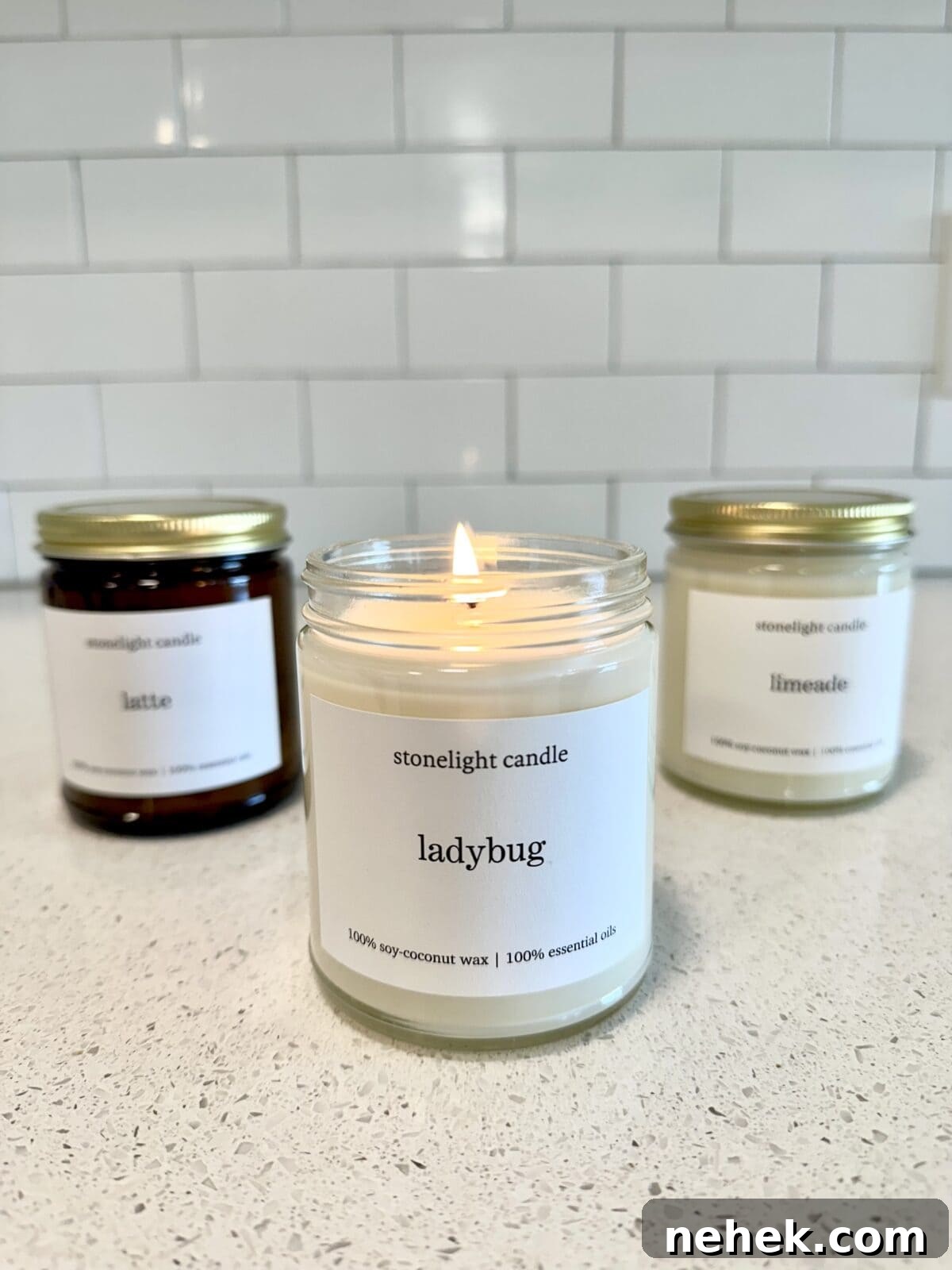
Stonelight makes 100% natural candles with a soy and coconut wax blend and fragrances derived from essential oils. The company was started by a parent seeking safer products after a child’s illness, and it emphasizes safety, quality, and emotional connection. Their scents can be surprisingly strong and long-lasting despite using only essential oils.
Wax: Coconut and soy
Size: 9 oz
Price: $25–$38
Sounds
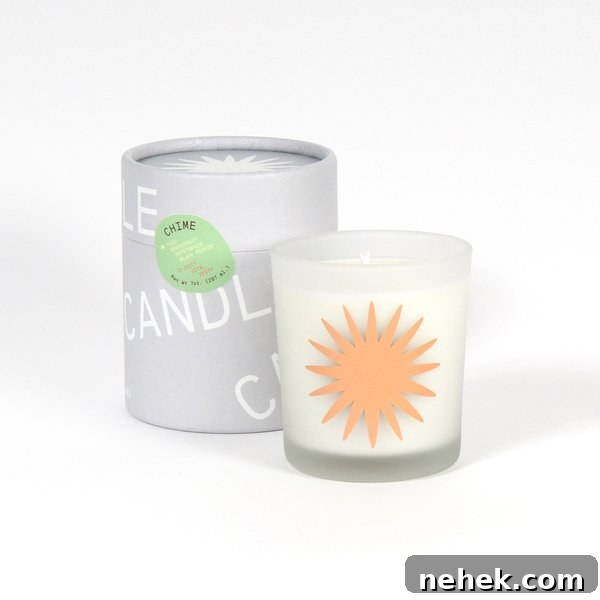
Sounds produces brightly branded candles with cheerful scents, made in small batches with pure essential oils and natural soy wax. Their products aim to lift mood and bring a sense of optimism to any room.
Wax: Soy
Size: 7 oz
Burn time: Approx. 42 hours
Price: $45
Hyggelight
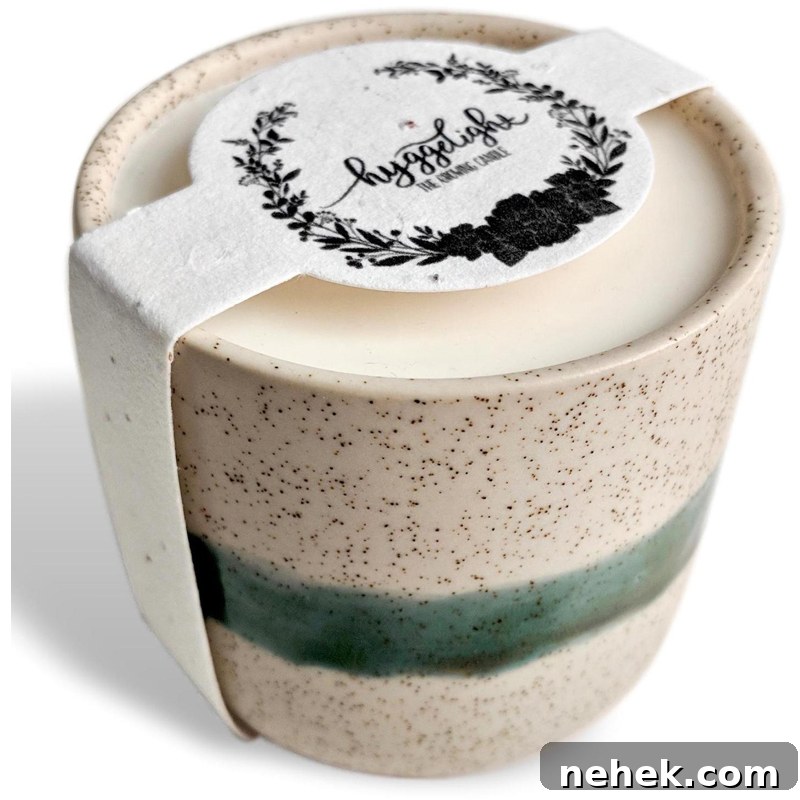
Hyggelight candles are designed to create a cozy, calming atmosphere. Hand-poured in Ohio from pure soy wax and high-quality essential oils, these vegan candles come with reusable ceramic pots and compostable seed paper labels so you can plant wildflowers after use.
Wax: 100% pure soy
Size: 10 oz
Burn time: 55 hours
Price: $29–$34
Are Yankee’s Soy Candles Good?
Yankee Candle’s soy offerings have been criticized for inconsistent ingredient transparency and unclear fragrance sourcing. If you’re prioritizing clean formulations and disclosure, there are better transparent brands to choose.
What About Bath and Body Works Candles?
Bath & Body Works candles are popular for their strong scents, but many of their products rely on synthetic fragrance blends. If you want to avoid synthetic fragrance chemicals, consider brands that disclose ingredients or use essential oils.
More Non-Toxic Candle Guides
If you want to explore other candle types, look for guides on topics such as:
- Natural, organic, and non-toxic candle options
- Non-toxic coconut wax candles
- Natural beeswax candles
- Non-toxic tallow candles
- Holiday and seasonal candle choices
- Fall and pumpkin-scented candle recommendations
Conclusion
Soy candles are a reasonable, more affordable alternative to paraffin and a good middle ground compared with pricier natural waxes like beeswax or pure coconut. The most important factors when choosing a soy candle are ingredient transparency and clear fragrance disclosure. Avoid vague “soy blend” labels and seek brands that list wax components and fragrance sources so you can enjoy scent without unnecessary exposure to hidden chemicals.
Image credits: product photos belong to the respective brands.