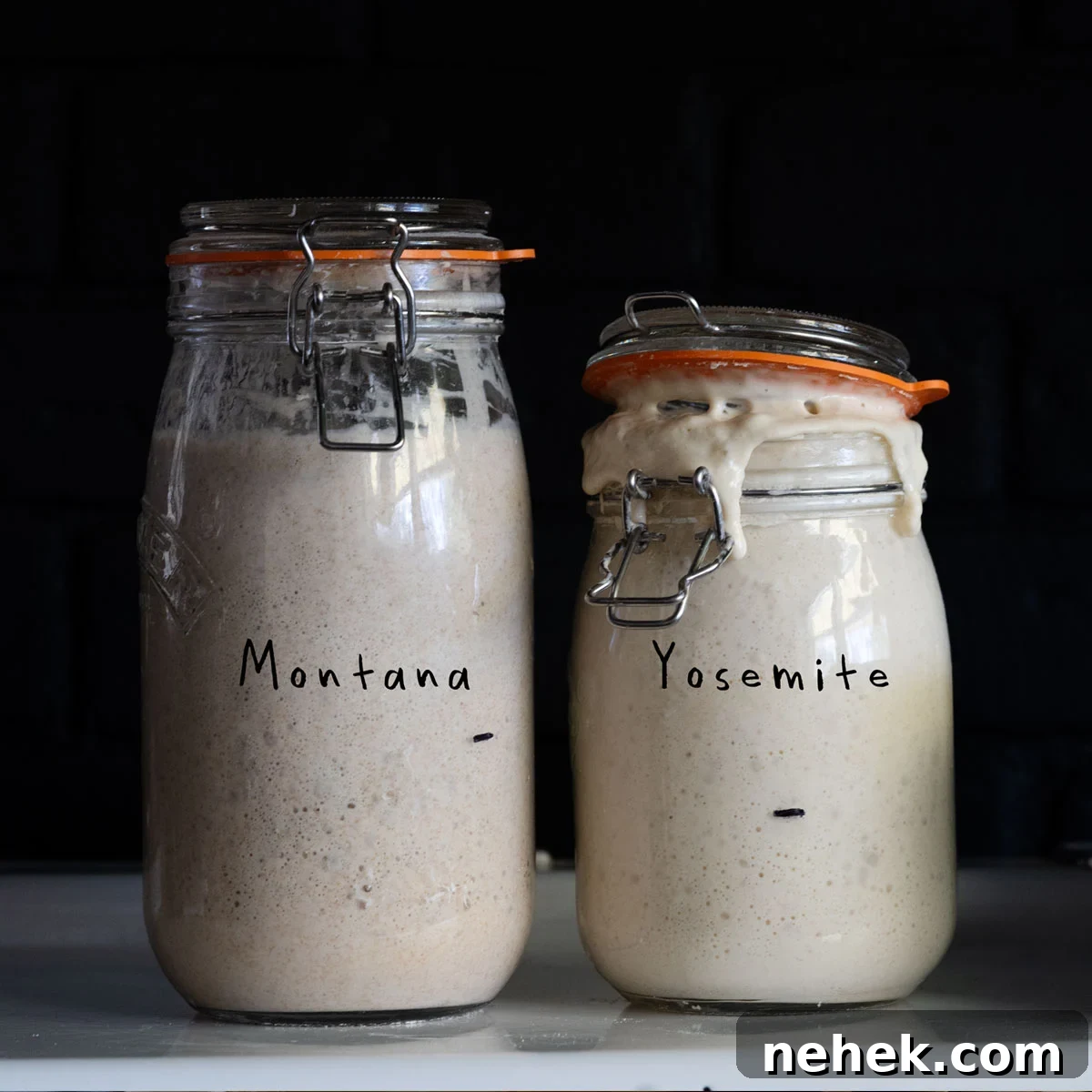
Making an ultra-vibrant sourdough starter is easier than it seems. All you need is spring water and strong (unbleached) bread flour, plus a warm spot for the wild yeasts and beneficial bacteria to develop.
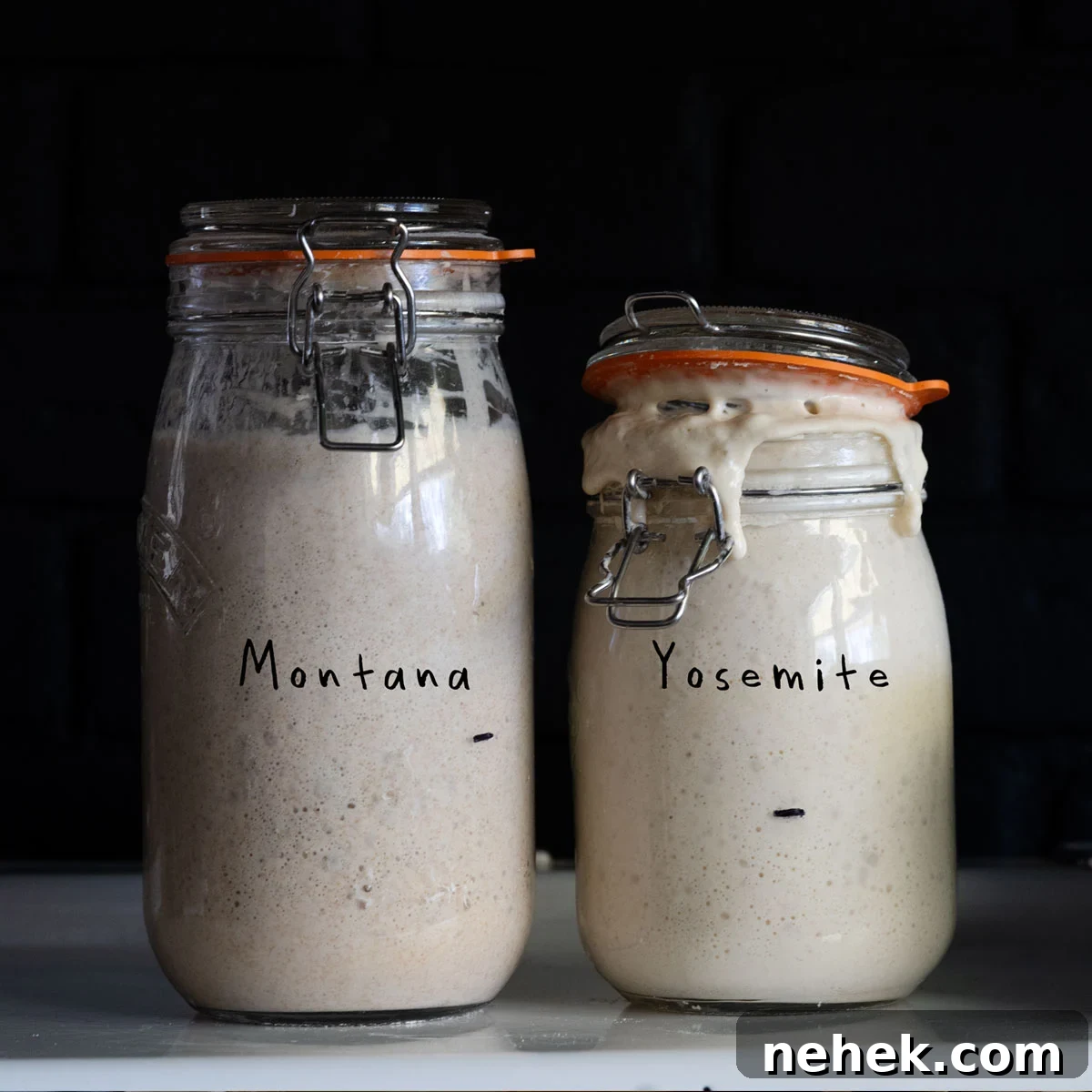
How to make a sourdough starter
in about a week
If you’re new to sourdough, the process can feel mysterious. The good news: it’s straightforward. Combine spring water with strong bread flour, keep the mixture warm, and feed it daily. Within a week you should see consistent doubling after feeds — a reliable sign your starter is ready to bake.
What’s fascinating is that your starter will be unique to your environment. It captures wild yeasts and bacteria from the flour, the water, and even your home microbiome, creating a flavor profile that’s yours alone.
Important details
There are only a few essentials: use unbleached strong bread flour and spring water. Avoid chlorinated tap water — the chlorine can prevent the culture from developing. King Arthur’s bread flour is a dependable option for consistency, but experimenting with heirloom or rye flours will add complexity and character to your starter.
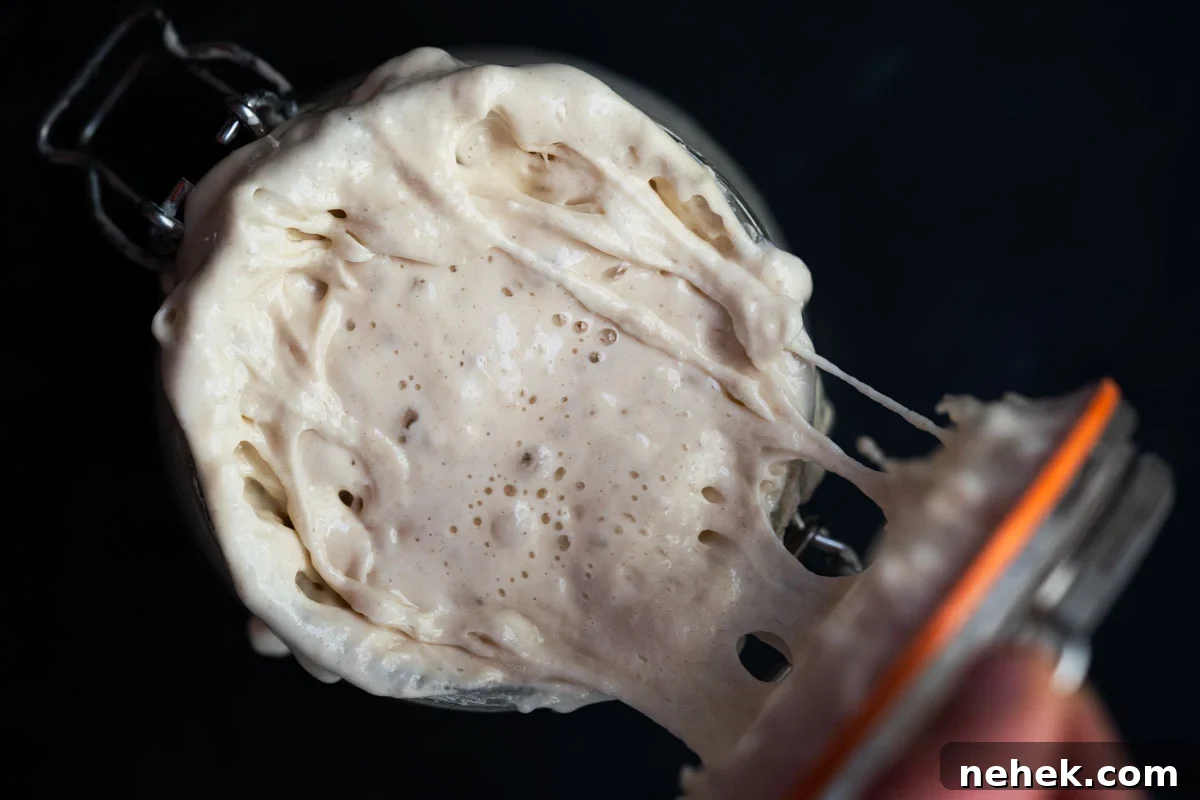
With a little patience you’ll soon be baking breads and pastries you’re proud of.
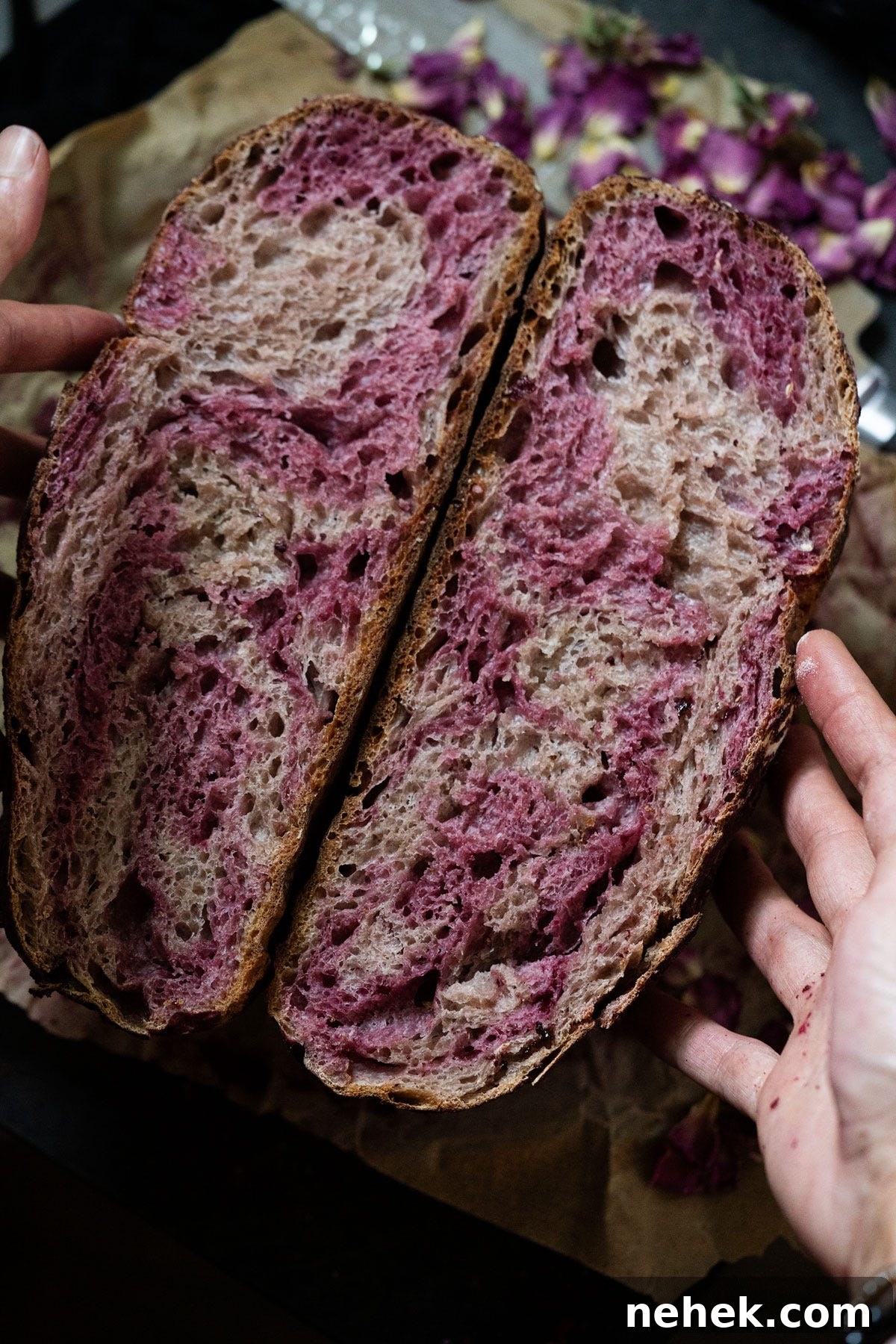
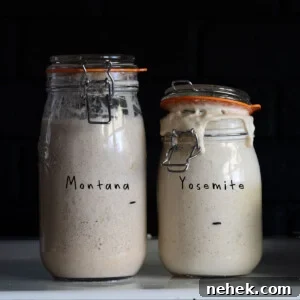
How to make a sourdough starter
Equipment
-
1 weck jar my favorite
Ingredients
- 50 g spring water
- 50 g (unbleached) strong bread flour
Instructions
Start your starter
-
Add unbleached flour to a clean jar. Use a jar with some headspace so the starter can expand.
-
Add spring water and stir until the mixture resembles a thick pancake batter — not too stiff, not runny. A 1:1 ratio by weight (50 g flour to 50 g water) works well with most strong bread flours; some whole-grain or heirloom flours may need slightly more water.
-
Rest 24 hours in a warm spot, such as near a stove or in an oven with the light on. Cover loosely so gases can escape.
Discard and feed your starter
-
Discard about half of the starter, then feed with 50 g flour and 50 g spring water, mixing until the same thick-batter consistency. This keeps the acidity and microbial balance healthy and prevents the jar from growing too large.
-
Repeat daily for at least 7 days. In many cases a robust culture takes 10–14 days to fully develop, but you can often bake with a consistent, doubling starter after about a week.
-
Optional burn test: when your starter reliably doubles in size, stir it down, then tap the surface. If a small flame blows out a bit of the gas above it, that indicates active fermentation. This is one quick way to check readiness.
Video
Notes
Whip up this recipe?Comment below or tag your creations on Instagram with the relevant handle and hashtag.