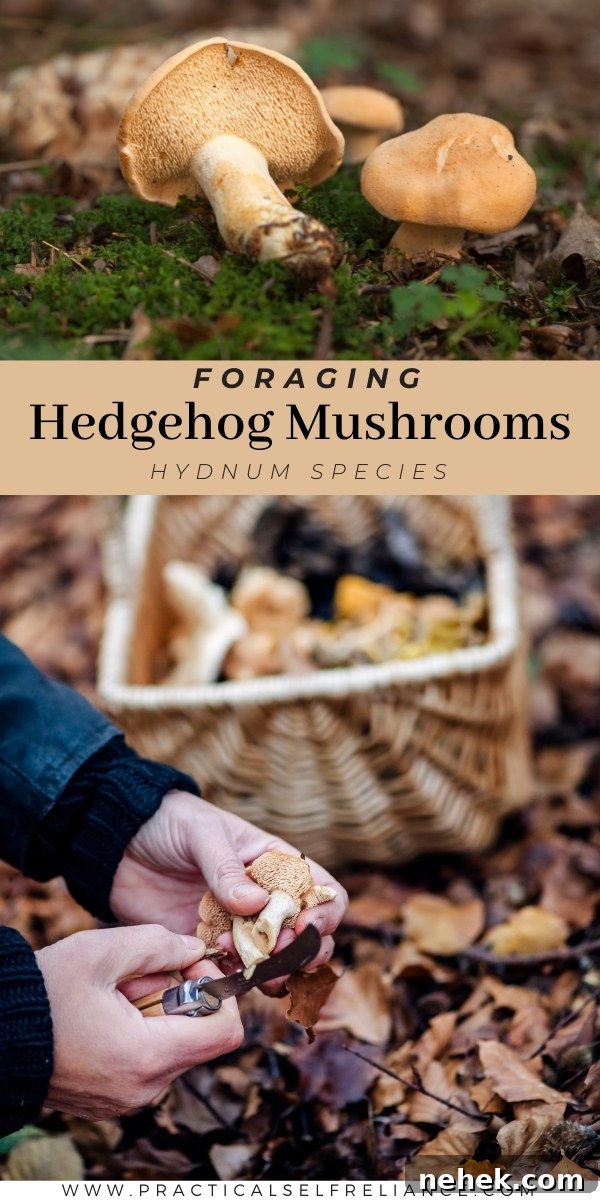
Hedgehog mushrooms (Hydnum sp.) are delicious, easy-to-identify fungi ideal for beginning foragers.
This article was written by Timo Mendez, a freelance writer and amateur mycologist who has foraged wild mushrooms worldwide.
Known by many common names—Sweet Tooth, Hedgies, Belly Buttons, and Sheep’s Foot—the hedgehog mushroom is a prized edible. Those names reflect its distinctive features: a spiky underside resembling a hedgehog, a mildly sweet flavor, and often irregular cap shapes that suggest a belly button or sheep’s foot.
Hedgehogs are straightforward to identify, have a pleasant flavor somewhat like mild chanterelles, and lack dangerous look-alikes, making them excellent for beginners. They are widespread across much of the Northern Hemisphere and appear in a variety of forest types whenever conditions are favorable.
How To Forage For Hedgehog Mushrooms
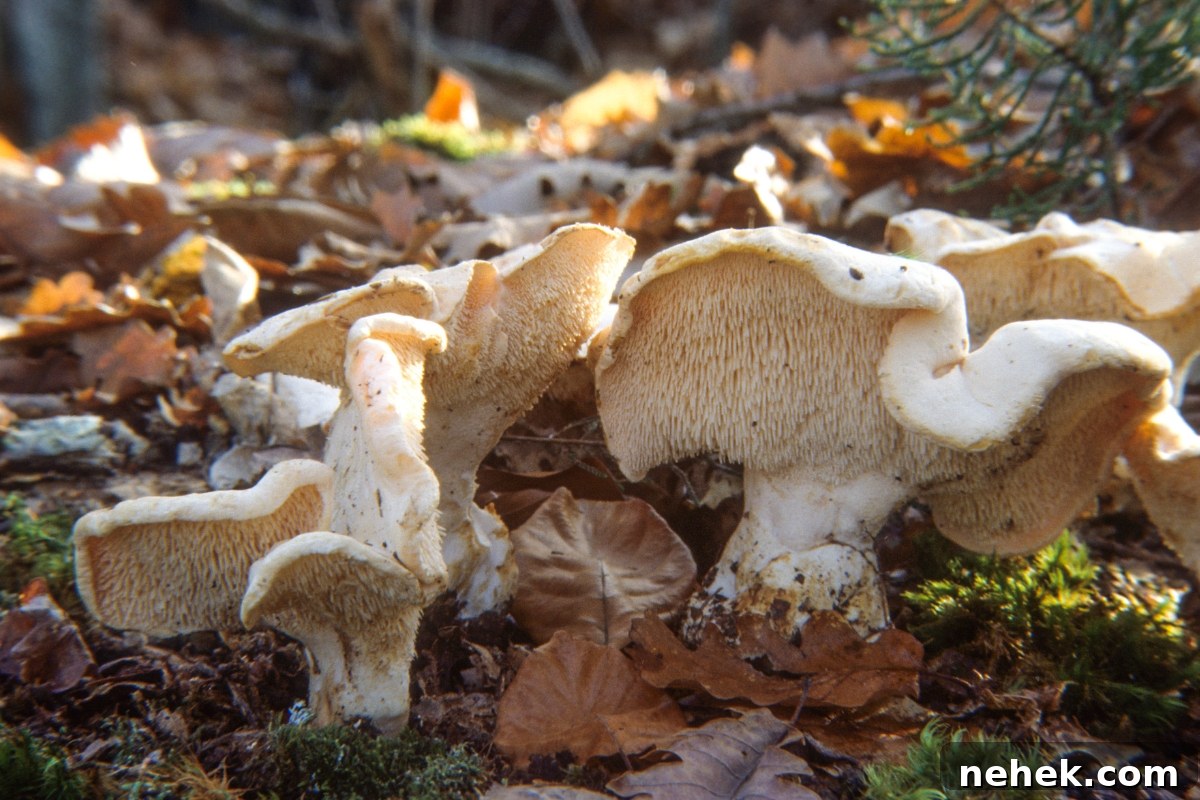
Hedgehogs are visible in the field thanks to their pale colors and often form in groups near host trees. Their season can be long in many regions, and they can fruit in cool, late-season conditions. Distribution and abundance vary regionally, but they are common enough that many foragers will find them near home woods.
“Hedgehog” refers to several closely related species in the genus Hydnum. Historically most were lumped under Hydnum repandum, but modern mycology has split the group into many species. Despite this taxonomic complexity, the edible qualities and general appearance remain consistent across the group, so casual foragers typically treat them as a single foraging target.
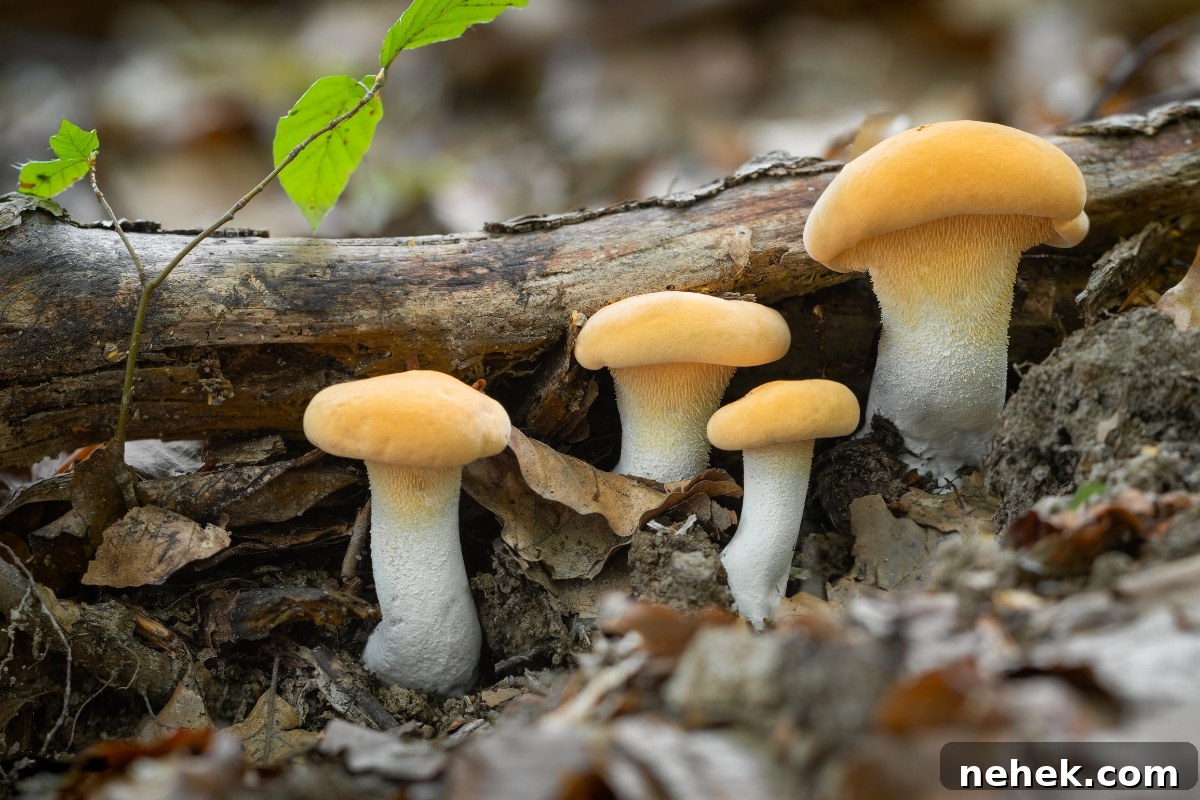
Common Hedgehog Mushroom Species
Some commonly reported species or regional names include:
- Hydnum repandum – The classic European hedgehog.
- Hydnum washingtonianum – A name often used for North American hedgehogs; synonymous with Hydnum neorepandum in some treatments.
- Hydnum umbilicatum – The “belly button” hedgehog in eastern North America.
- Hydnum oregonense – A western North American “belly button” hedgehog.
- Hydnum rufescens – The terracotta-colored hedgehog in Europe.
- Hydnum albidum – A white variety resembling H. repandum.
Note: Scientific names change as research progresses; for most foragers the practical identification and edibility matter more than the current Latin binomial.
Finding Host Trees
Hedgehogs form ectomycorrhizal relationships with tree roots, meaning they rely on specific host trees for carbon and nutrients. Knowing common local hosts helps you locate productive areas. Hedgehogs associate with a wide range of trees, including oak, beech, pine, spruce, Douglas fir, hemlock, eucalyptus, true fir, chestnut, and other hardwoods. In some regions they may show preference for one or two hosts.
Where Do You Find Hedgehog Mushrooms?
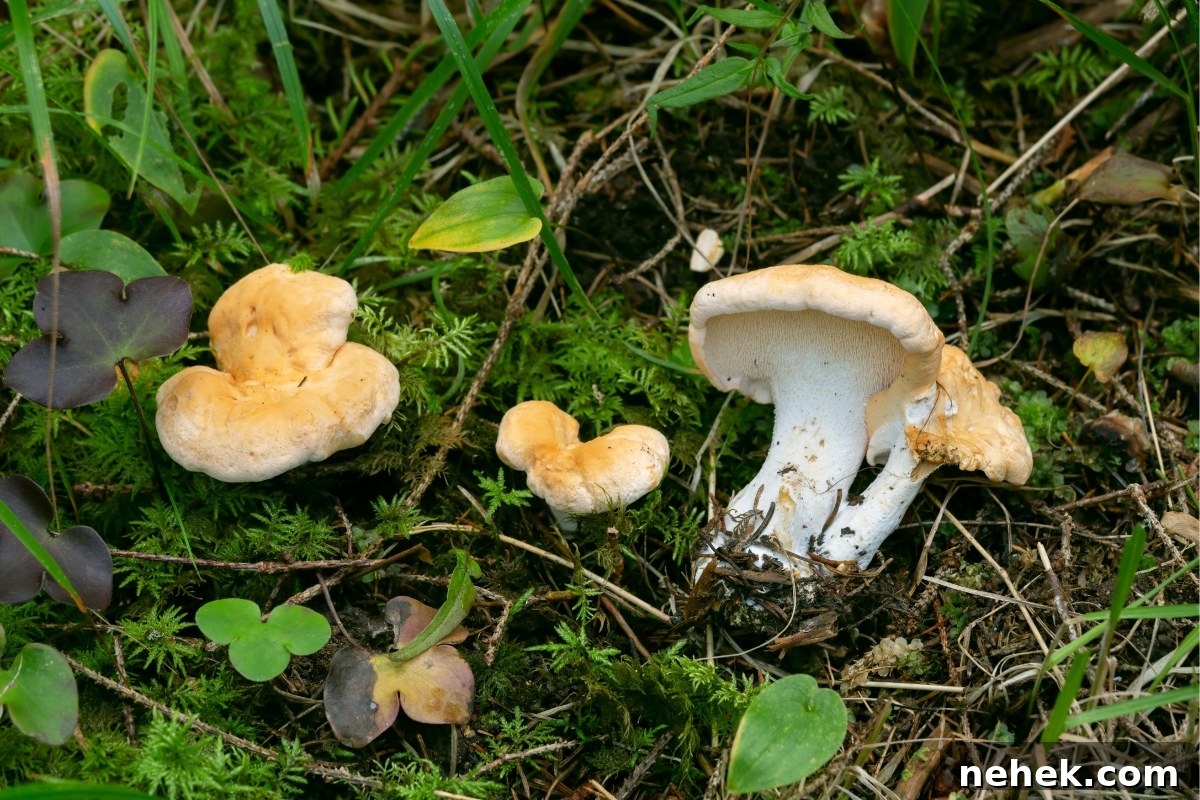
Hedgehogs are found across deciduous and coniferous forests of the northern hemisphere. They often fruit in clusters, sometimes forming rings or lines near host trees. In deciduous woods they appear through leaf litter; in coniferous stands they can be found in mossy patches, steep banks, or near streams and roadsides.
Eastern United States and Canada
In the east, hedgehogs favor mixed and deciduous forests and commonly associate with beech and oak. They are prominent in the Great Lakes region and Appalachians and become more abundant farther northeast into Maine and southern Canada. In some southern areas they also appear with pine.
Western United States and Canada
Western hedgehogs are often found with conifers such as spruce and Douglas fir. In coastal California they occur with bishop pine, Sitka spruce, hemlock, and Douglas fir. They are less common in the Sierra Nevada but abundant along the Pacific coast from Oregon and Washington and extend inland into the Cascades and Rockies in places.
Europe
Widespread across Europe, hedgehogs range north into Finland and south to Portugal and Greece. In central Europe they often grow with beech and oak; farther north they associate with Norway spruce, and in southern areas they may be found with pine or even eucalyptus plantations.
Other Regions
Hedgehogs are also reported from Asia, montane oak forests in Mexico and Central America into northern Colombia, and mountainous regions of northern Africa such as Morocco. Their host tree associations in these regions are similar to those in Europe and North America.
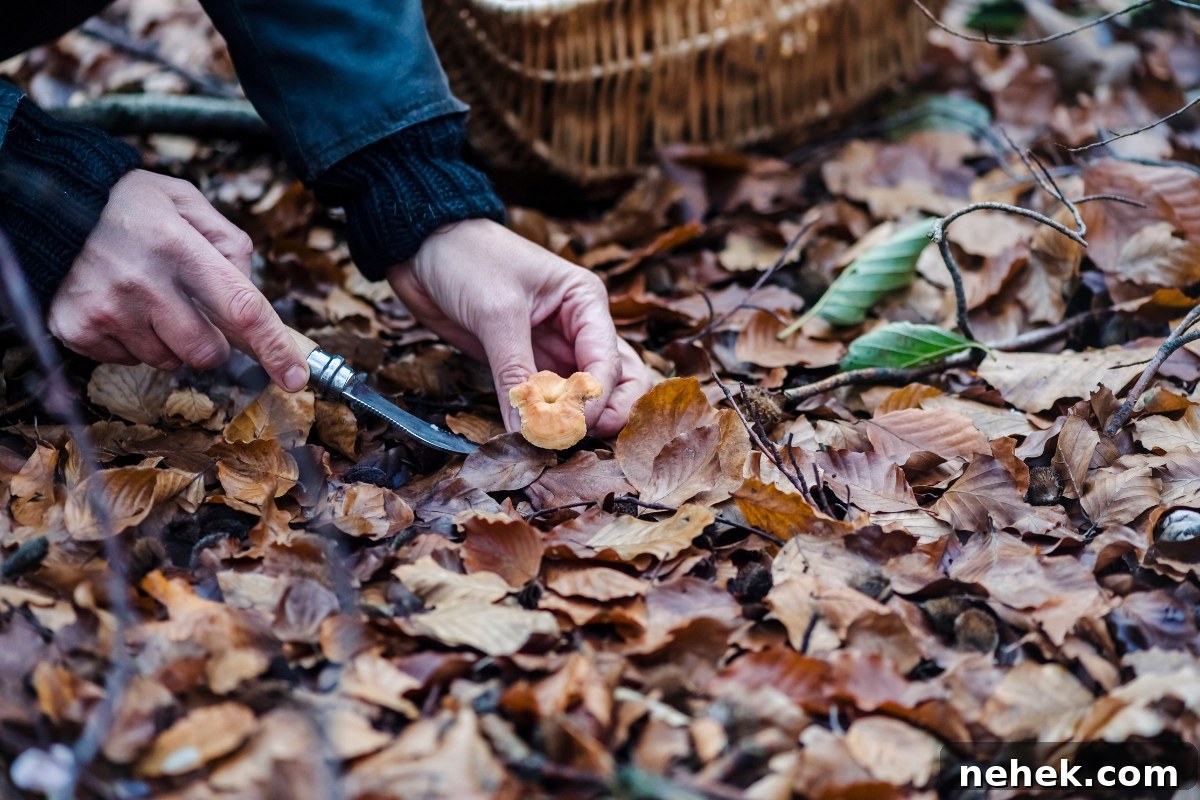
When Is Hedgehog Mushroom Season?
Hedgehogs are often late-season fruiters tolerant of cool temperatures and can persist after the first frosts in many areas. In mild climates they may fruit through winter and into spring.
Eastern North America: Typically July–November, with fruiting triggered by cooling temperatures. In mild areas it can extend into January.
Western North America: July–February on the coast where fog keeps conditions moist; inland fruiting generally begins in fall and can continue into February. Smaller “belly button” forms tend to appear more in winter, while larger hedgehogs can appear in late summer and fall.
Europe: Commonly August–December, with timing earlier in northern latitudes. October is often peak season in many parts of western and central Europe; in Iberia and other southern areas fruiting can extend into December or January after sufficient rain.
Mexico and Central America: June–September tied to the summer rainy season and monsoon patterns.
Identifying Hedgehog Mushrooms
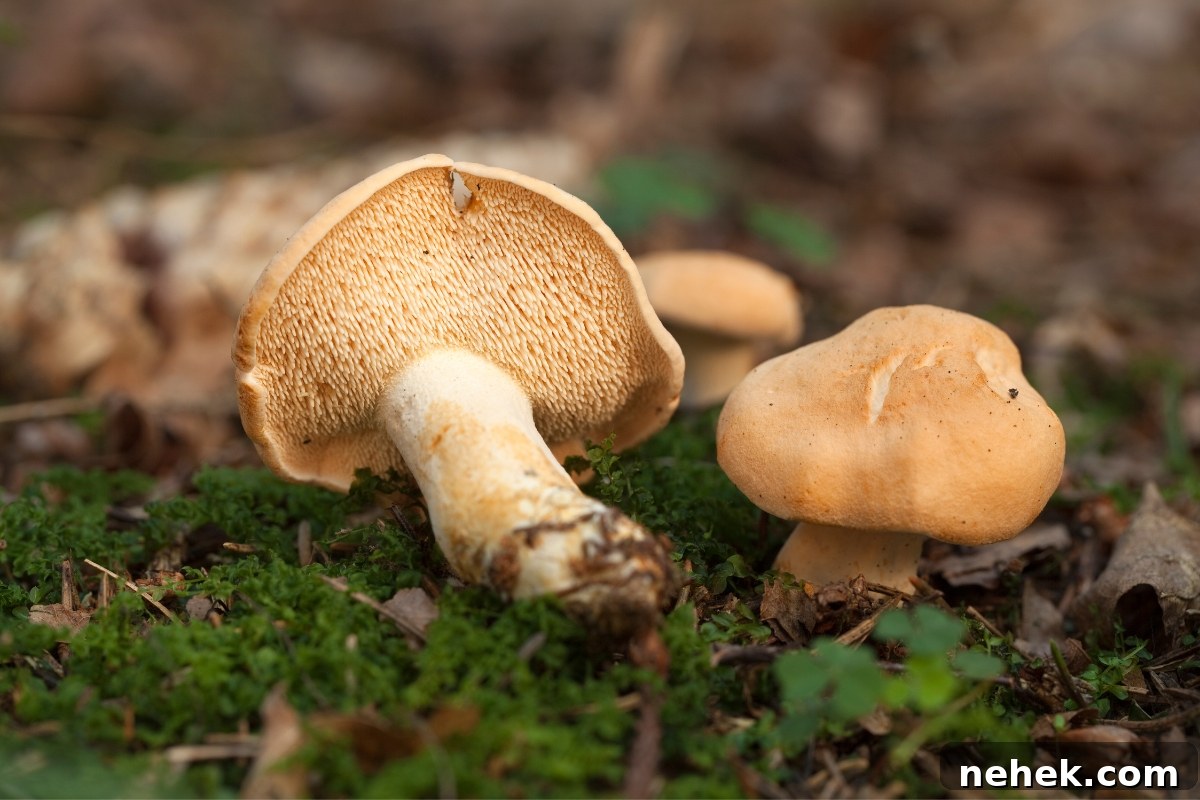
All hedgehog species share key traits that make identification reliable for foragers. They are typically pale—white to peach or light brown—with caps that may darken with sun exposure and bruise orange or brown. The cap can appear hoof-like or slightly lobed, often with an off-center stem.
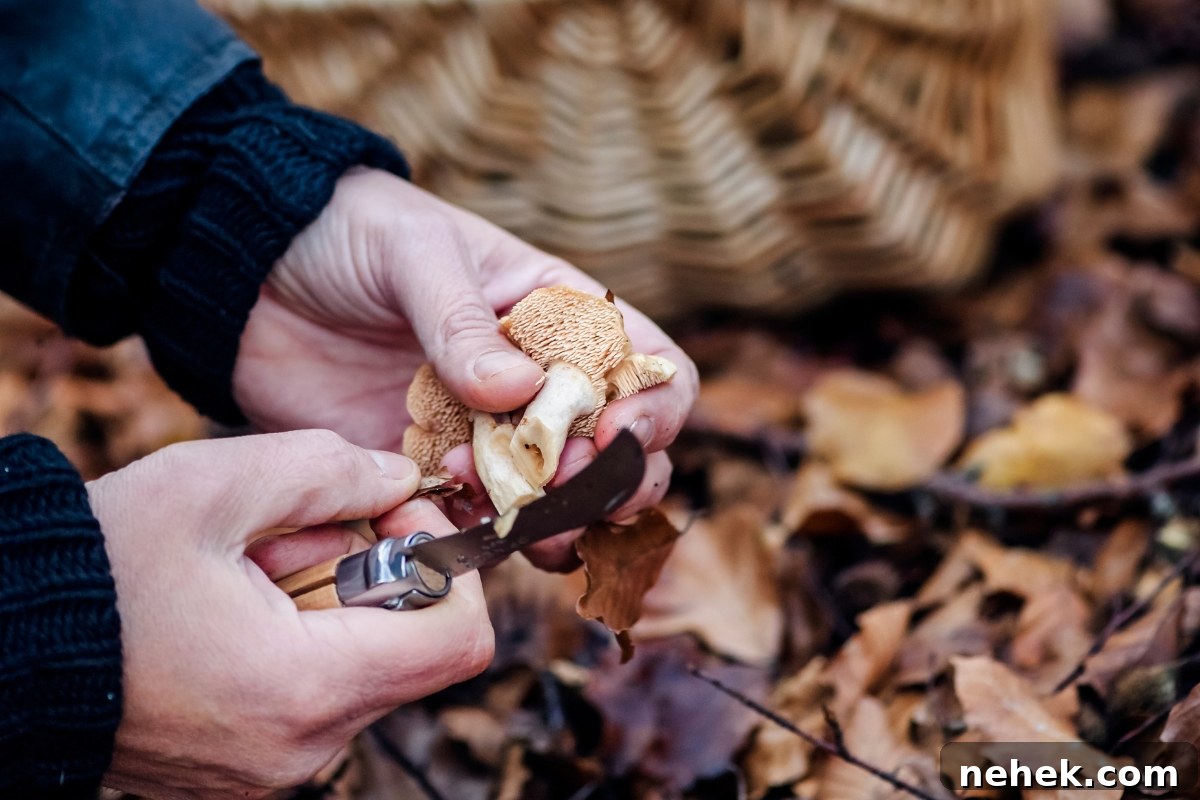
The defining feature is the underside: dense, brittle spines or “teeth” about a quarter inch long that may extend down the stem. These spines are easily detached and are the easiest field character to recognize. Despite the “sweet tooth” nickname, the spines themselves can be slightly bitter in flavor.
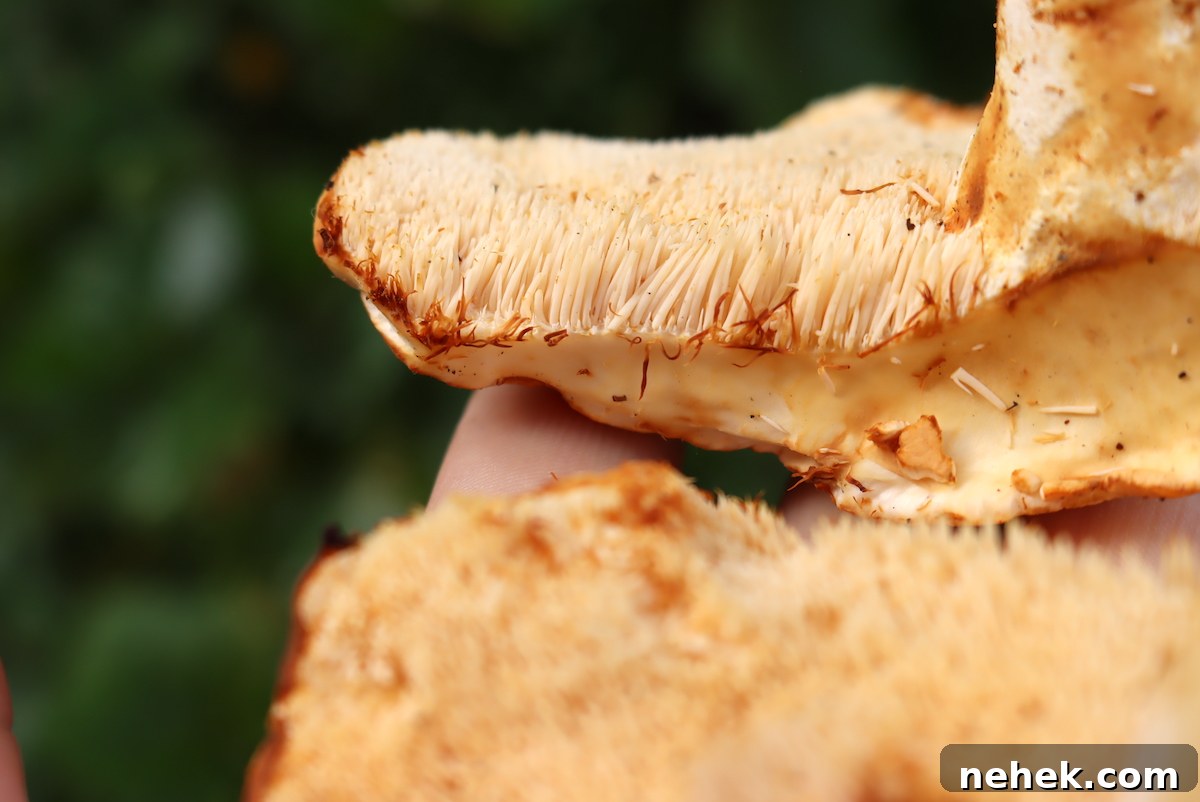
Variation within the group includes larger, off-center-stemmed forms (classic hedgehogs), smaller “belly button” types with a depressed cap center, and terracotta-colored smaller forms in some regions.
Hedgehog Mushroom Identification Guide
- Pale white, peach, or light brown cap that may bruise orange/brown
- Hoof-shaped or lobed cap, often with an off-center stem
- Underside densely covered with small spines (≈1/4″)
- Cork-like, rubbery texture when fresh
- Smaller “belly button” forms have a central depression
Hedgehog Mushroom Look-Alikes
There are few true look-alikes, but two other toothed fungi may superficially resemble hedgehogs:
- Hawk’s Wing (Sarcodon spp.) – Toothed fungi with darker, scaly caps. Some species are edible but often bitter.
- Drab Tooth (Bankera/Bryodermella-like species) – Toothed species with darker caps and a firmer, tougher texture; underside and stems are often paler.
How To Harvest Hedgehog Mushrooms
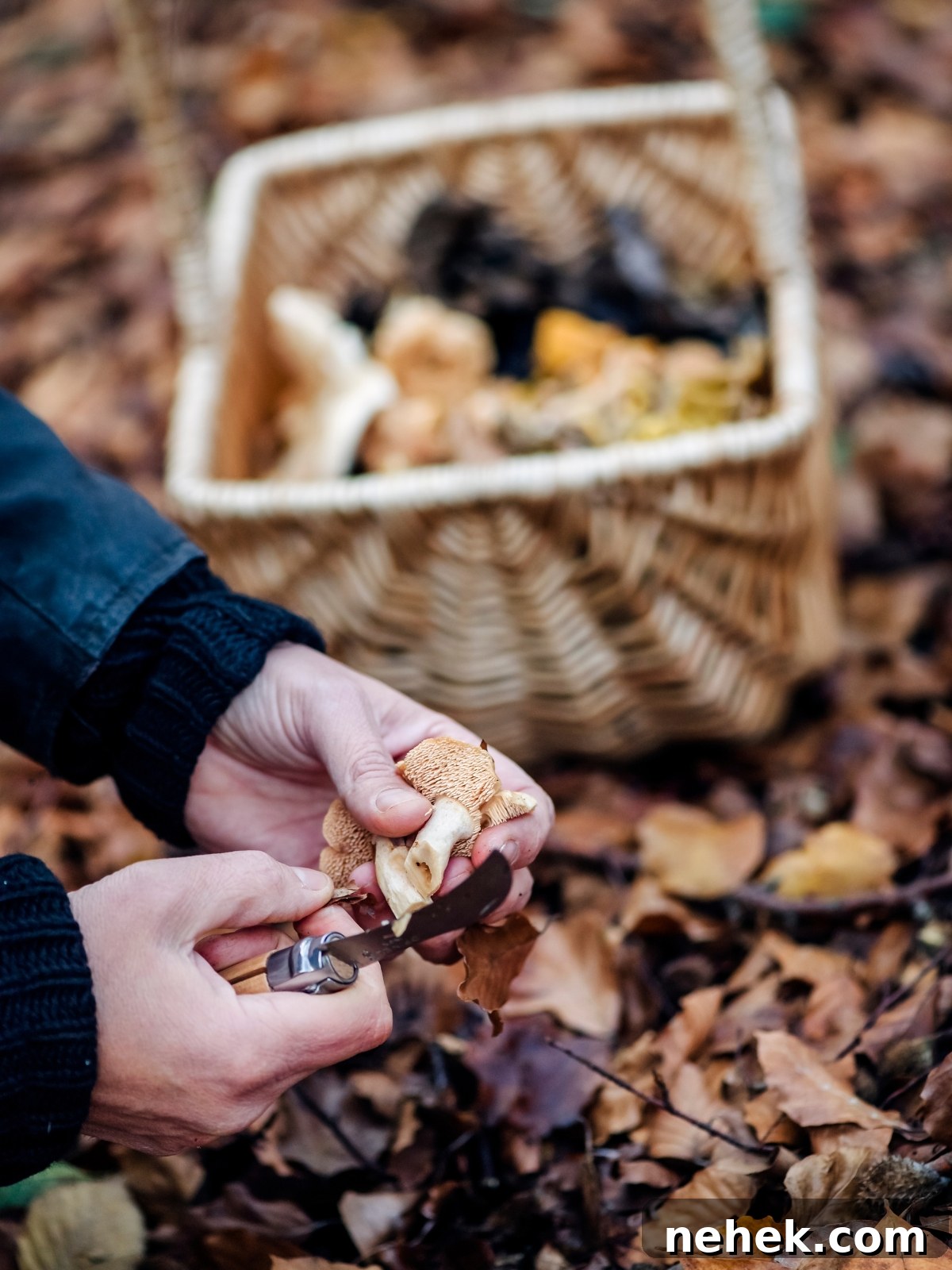
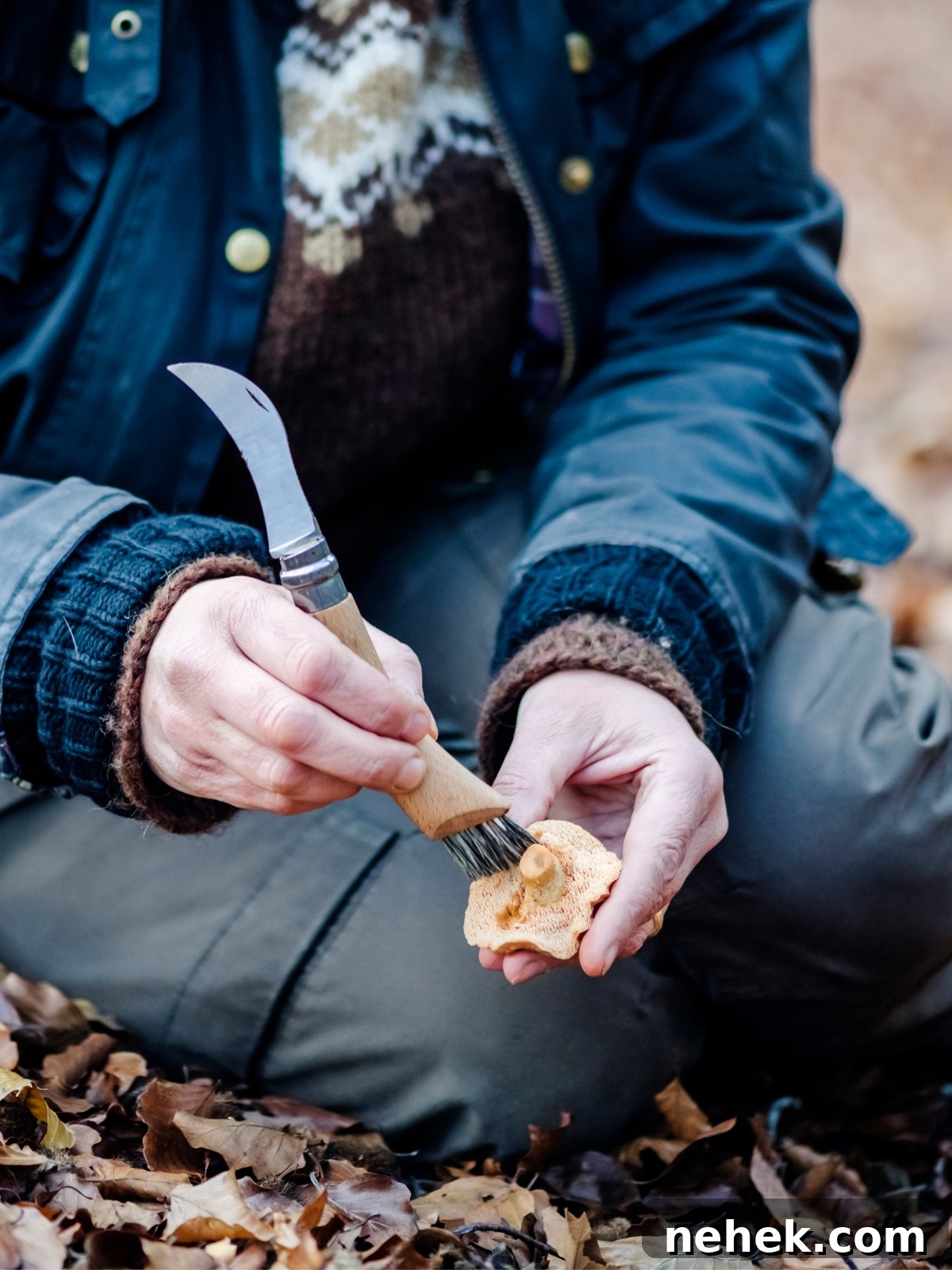
Harvest responsibly: follow local rules, respect private property and sensitive habitats, and avoid leaving trash. Use a basket or porous bag so spores can disperse while you walk. Clean dirt from the mushrooms with a knife or brush before storing—spines trap debris— and trim the stem bases. Avoid collecting overly old or rotting specimens.
Cooking With Hedgehog Mushrooms
Hedgehogs are versatile and pair well with simple preparations that let their subtle flavor shine. They work well in cream sauces, pasta, omelets, risotto, stews, or as a flavorful topping. A simple sauté with butter or oil, garlic, and parsley highlights their taste. For a classic preparation, try hedgehogs in a grilled cheese with real cheddar or mozzarella.
Because they can hold a lot of water, a “dry sauté” can improve texture: heat diced mushrooms in a pan without oil so their water evaporates, then add fat and finish cooking. Some people notice a slight bitterness concentrated in the spines; if desired, remove the spines by rubbing them off with a finger or spoon before cooking.
Preserving Hedgehog Mushrooms
Freezing cooked hedgehogs is the most reliable preservation method. Sauté them first, cool, then freeze; do not freeze raw mushrooms or they may become mushy. Drying is generally not recommended because they rehydrate poorly and can become rubbery, though powdered dried hedgehogs can be used as a condiment. Parboiling for a few minutes and then pickling is another option.
Mushroom Foraging Guides
If you enjoyed learning about hedgehogs, consider exploring guides on other wild edibles and fungi to broaden your foraging skills and seasonal knowledge.