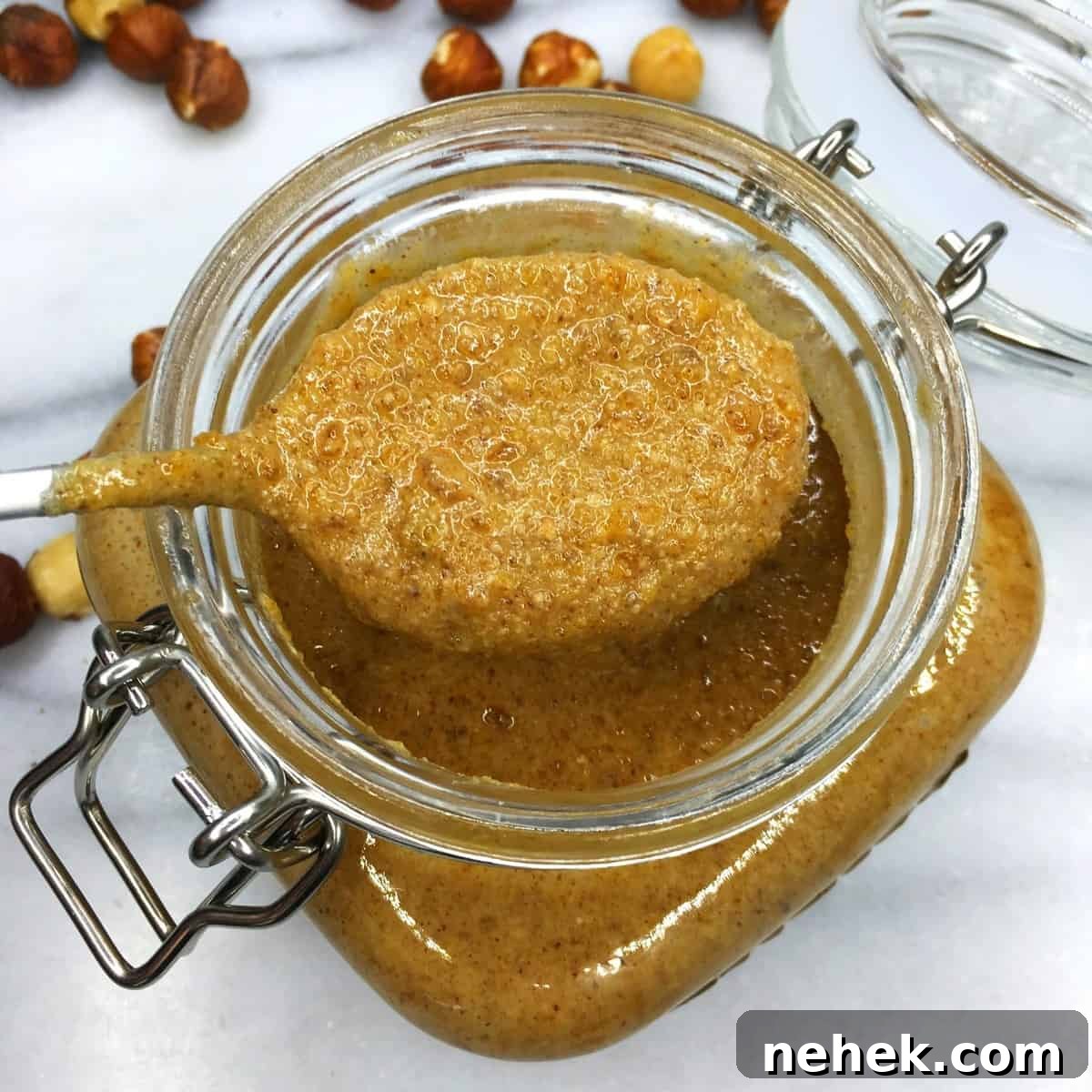
French hazelnut praline paste (pâte pralinée) is a luscious, gluten-free and dairy-free spread made from caramelized nuts. Widely used in French pastry, it’s also perfect as a homemade breakfast spread. This easy recipe delivers reliably smooth, flavorful results.
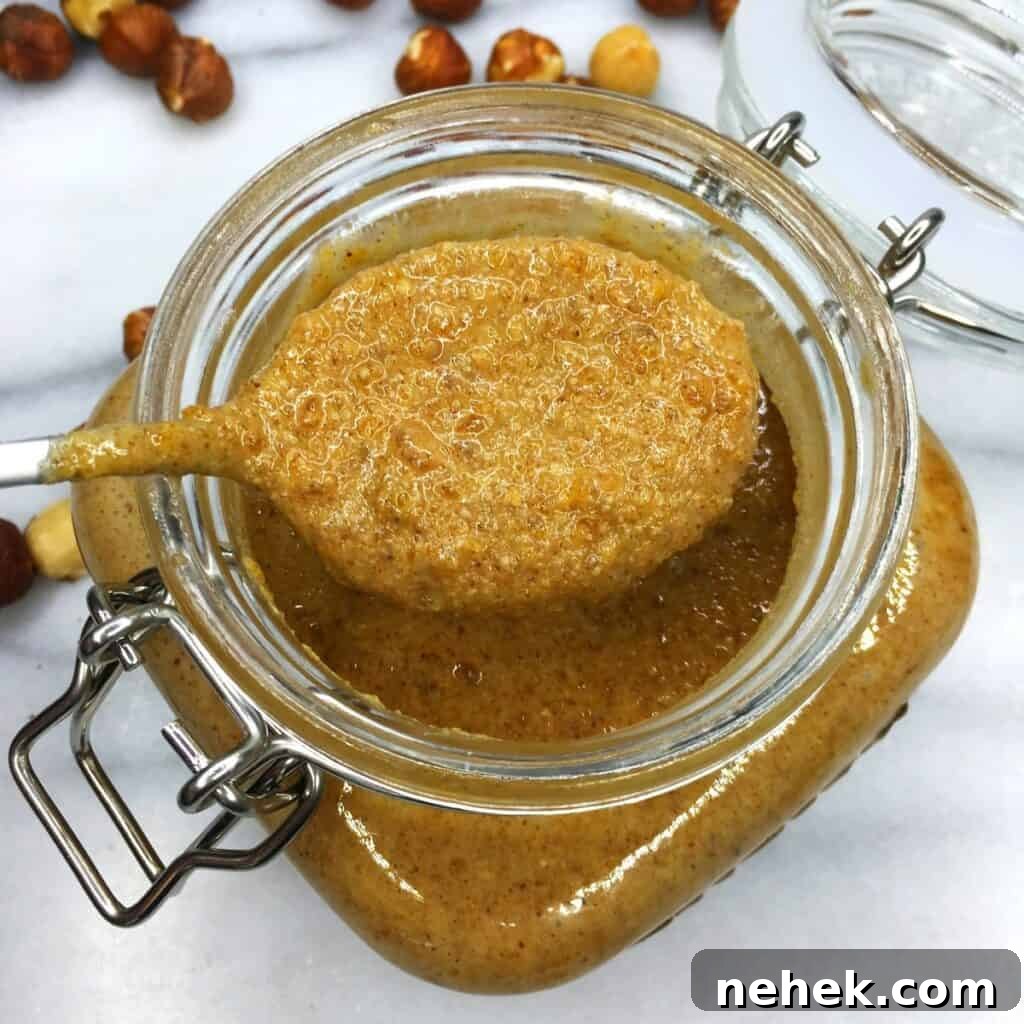
What is hazlenut praline paste?
Hazelnut praline paste is a traditional French ingredient made by caramelizing sugar and coating toasted nuts—most commonly hazelnuts, almonds, or a mixture—then grinding them until the nut oils release and form a smooth paste. The result is a creamy texture similar to nut butter, with rich caramelized flavor ideal for spreads, fillings, and confections.
When a recipe lists “French praline paste,” it typically refers to a paste made from toasted hazelnuts. The simple ingredients and straightforward method make it accessible for home cooks.
Hazelnut praline paste recipe
- Simple & economical: Only three ingredients—hazelnuts, sugar, and salt—are needed to make a delicious spread.
- Balanced sweetness: The caramelized sugar gives a pleasant, not overly sweet, flavor that complements the nuts.
- Homemade aroma: Toasting and caramelizing fill the kitchen with a warm, nutty scent—an excellent alternative to store-bought spreads.
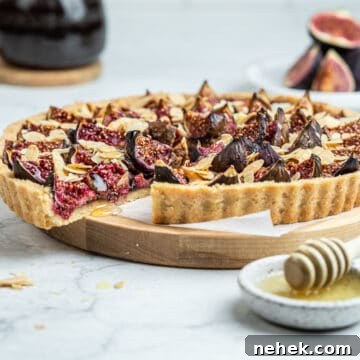
- Versatile: Use it as a filling for crepes and pancakes or in classic French desserts such as Paris-Brest or fig tarts; it also works well in ice cream, frostings, and sauces.
Ingredients
For exact amounts and a step-by-step guide, see the recipe card below.
- Hazelnuts: Use high-quality raw hazelnuts and toast them yourself, or buy pre-toasted nuts. You can substitute or combine other nuts—almonds, pecans, pistachios, etc.—for different flavor profiles.
- Sugar: Granulated white sugar or caster sugar works best. Organic cane sugar is an acceptable alternative; avoid brown sugar for this preparation.
- Salt: A pinch of coarse sea salt or fleur de sel enhances the flavor. Avoid iodized table salt, which can taste harsh here.
How to make hazelnut praline paste
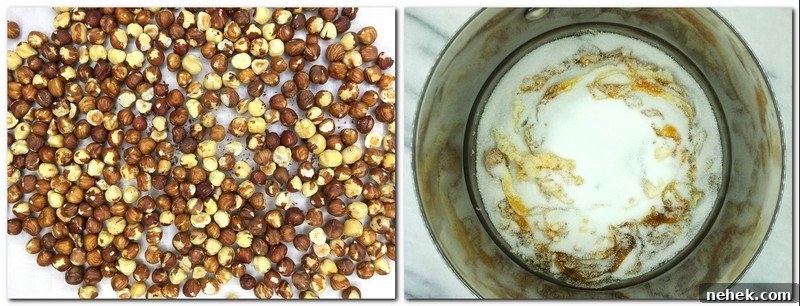
- Roast and prepare hazelnuts: Preheat the oven to 300°F (150°C). Spread hazelnuts in a single layer on a baking sheet and roast for about 15 minutes. Wrap warm nuts in a clean kitchen towel and rub to remove most of the skins. A little skin left on the nuts is fine. Arrange them in a single layer on a lined sheet pan.
- Make the caramel: Heat a stainless steel pan over medium-high heat. Add one-third of the sugar and let it begin to melt, gently swirling the pan. Gradually add the remaining sugar in thirds, continuing to swirl. Avoid stirring with utensils—swirling helps even melting. The sugar may look grainy at first but will melt and turn golden. Add a pinch of salt near the end.
- Cool and combine: Pour the hot caramel in a thin layer over the toasted hazelnuts and let it cool completely, about 20 minutes. When cooled, break the caramelized nut slab into pieces.
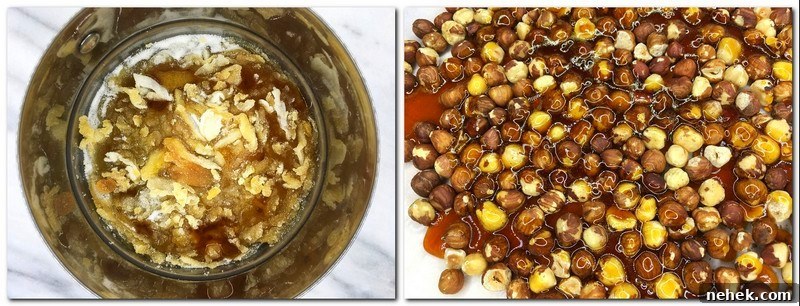
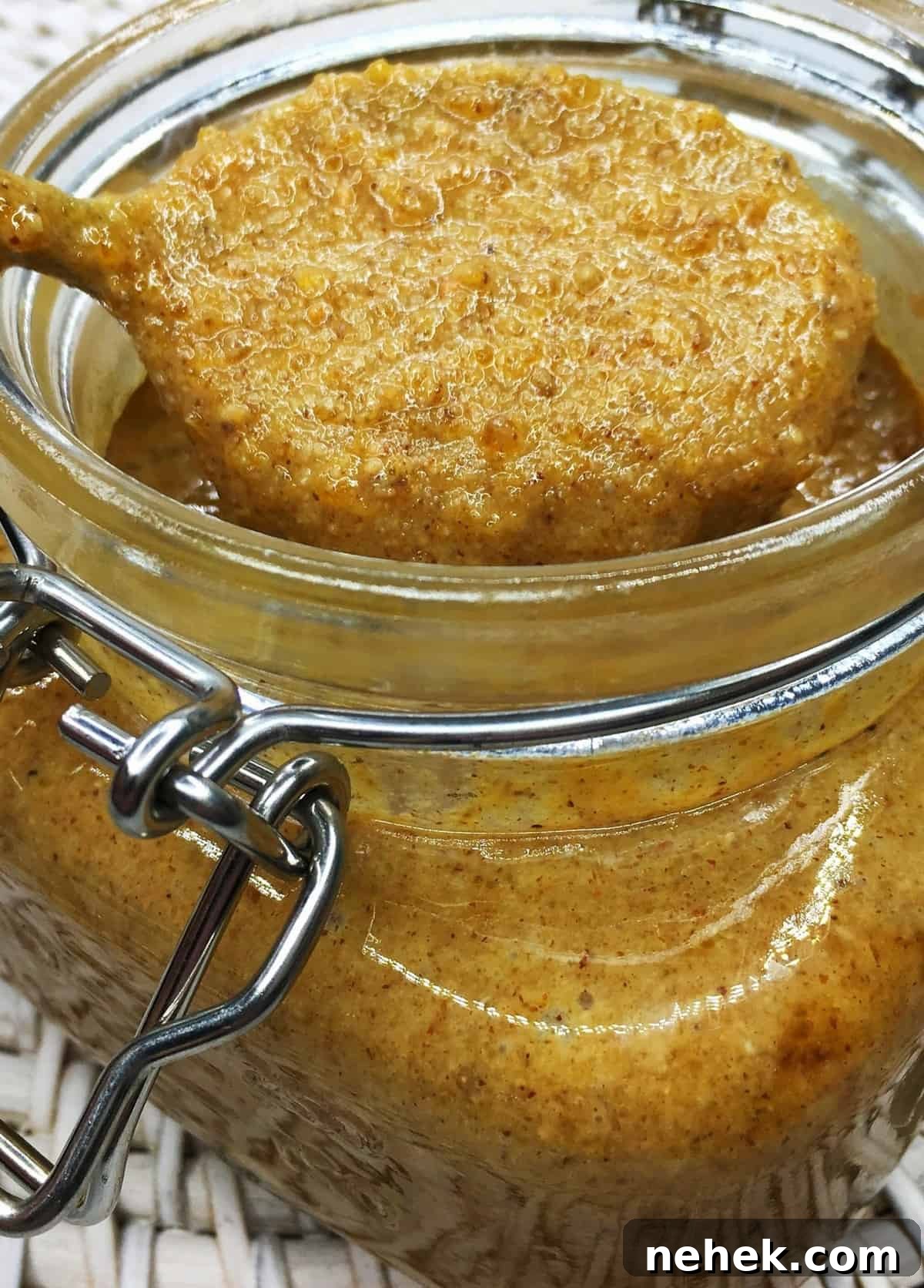
Place the broken pieces in a food processor and pulse on low speed to create a praline powder. Increase speed and process in stages for 5–15 minutes until the mixture releases oil and turns into a smooth, creamy paste.
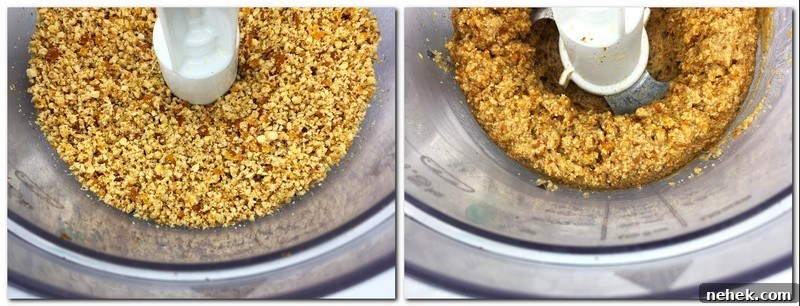
Processing time varies with the power of your machine and the desired texture. Work in short bursts and let the motor cool briefly if it becomes warm.
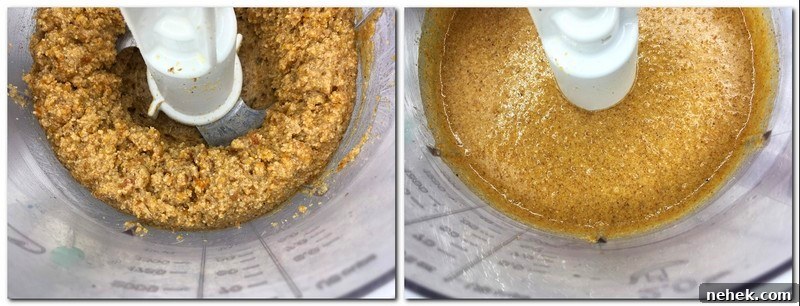
Pro tip: Process nuts gradually and in short cycles to avoid overheating the food processor or blender. Repeat until you reach a smooth, glossy paste.
Expert Tips
- Do not touch hot caramel—use oven mitts and handle with care to avoid burns.
- Adjust processing time to your liking: shorter for a coarser texture, longer for a silky paste. Smoothness typically takes around 10–15 minutes in a good food processor.
- Give your machine breaks during processing to prevent overheating; pulse and rest as needed.
Recipe variations
- Almond praline: Use blanched almonds instead of hazelnuts for a different, subtly sweet flavor.
- Hazelnut & almond blend: Mix hazelnuts and almonds for a classic praline taste similar to some commercial spreads.
- Other nut options: Pistachios, pecans, walnuts, cashews, or macadamia nuts all make delightful variations—each brings its own character to the paste.
How to serve praline paste
- Straight from the jar: Spread it on toast, brioche, crepes, or pancakes; dollop it over ice cream.
- Chocolate-hazelnut spread: Combine about 100 g melted chocolate with 180 g praline paste for a Nutella-like spread.
- In creams and frostings: Fold praline into whipped cream or buttercream for pastries, cakes, and cupcakes.
Storing & freezing
Store praline paste in an airtight container at room temperature away from light for up to one week, or refrigerate for up to one month. If using a properly sterilized jar, it can keep for several weeks in the fridge. Stir occasionally to reincorporate any separated oil.
For longer storage, freeze the paste for up to six months. To thaw, let it sit at room temperature for a few hours and stir before use.
Recipe FAQ
Bitterness usually comes from over-roasted hazelnuts or caramel that was cooked too dark. Use evenly toasted nuts and pull the caramel off the heat once it reaches a golden amber color.
Praline (in this context) often refers to the initial coarse powder made by crushing caramelized nuts. Praline paste is the further processed product, where the powder is ground until the oils release and a smooth paste forms.
Pralines typically describe nuts coated in caramelized sugar; regional variations exist. In French pastry, “praline” commonly refers to caramelized nuts used to make praline paste.
No. Pralinoise is praline paste blended with milk chocolate and often a touch of vanilla, used by chocolatiers as a filling for confections.
Love praline desserts? Try these next!
-
Paris-Brest (Best Recipe)
-
French Fig Tart (Tarte aux Figues)
-
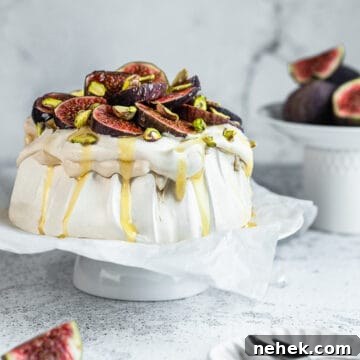
Fig And Cinnamon Pavlova

Recipe card
Hazelnut Praline Paste
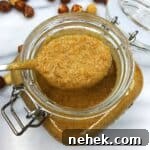
French hazelnut praline paste is a versatile, gluten-free, dairy-free spread and a staple for many French pastries. This recipe is straightforward and produces consistently excellent results.
- Author: Irina Totterman
- Total Time: 50 minutes
- Yield: (10.6 oz.) 300 g
- Category: No-bake desserts
- Method: No baking (caramelize and process)
- Cuisine: French
Ingredients
- 7 oz. (200 g) raw hazelnuts
- ½ cup + 4 teaspoons (130 g) granulated sugar
- 1 pinch fleur de sel (or coarse sea salt)
Instructions
- Preheat oven to 300°F (150°C). Spread raw hazelnuts in a single layer on a baking sheet and toast for 15 minutes.
- Wrap warm hazelnuts in a clean kitchen towel and rub vigorously to remove most of the skins. A little skin remaining is fine.
- Place the roasted hazelnuts in a single layer on a sheet pan lined with parchment or a silicone mat.
- To make the caramel, heat a heavy-bottomed stainless steel pan over medium-high heat and pour in one-third of the sugar. Swirl the pan as the sugar begins to melt.
- Add the second third of sugar when the first portion softens and keep swirling. Do not stir with utensils. Add the final third and cook until the sugar melts and reaches a golden color; add a pinch of salt at the end.
- Pour the hot caramel in a thin layer over the toasted hazelnuts and let cool completely for about 20 minutes.
- Break the caramelized nut slab into pieces and transfer to a food processor. Start on low speed to make a praline powder, then increase speed and process in short intervals until the oils release and the mixture becomes a smooth paste. Allow the processor to rest periodically to avoid overheating.
Notes
- Store-bought toasted, unsalted hazelnuts can save time.
- Handle hot caramel with care—use oven mitts to avoid burns.
- Replace fleur de sel with coarse sea salt if needed, but avoid iodized table salt.
- Adjust processing time for desired texture.
- Prevent overheating by pausing processing and letting the machine cool.
- Store in a sterilized glass jar at room temperature up to one week, in the fridge up to one month. Stir occasionally to reincorporate separated oil.
- Freeze for up to six months.
Nutrition
- Serving Size: (1 oz.) 30 g
- Calories: 174
- Sugar: 13.9 g
- Sodium: 16 mg
- Fat: 12.2 g
- Saturated Fat: 0.9 g
- Carbohydrates: 16.3 g
- Fiber: 1.9 g
- Protein: 3 g
- Cholesterol: 0 mg
Nutrition figures are approximate and intended as a general guideline.
Originally published September 08, 2020; updated with improved content and photos.