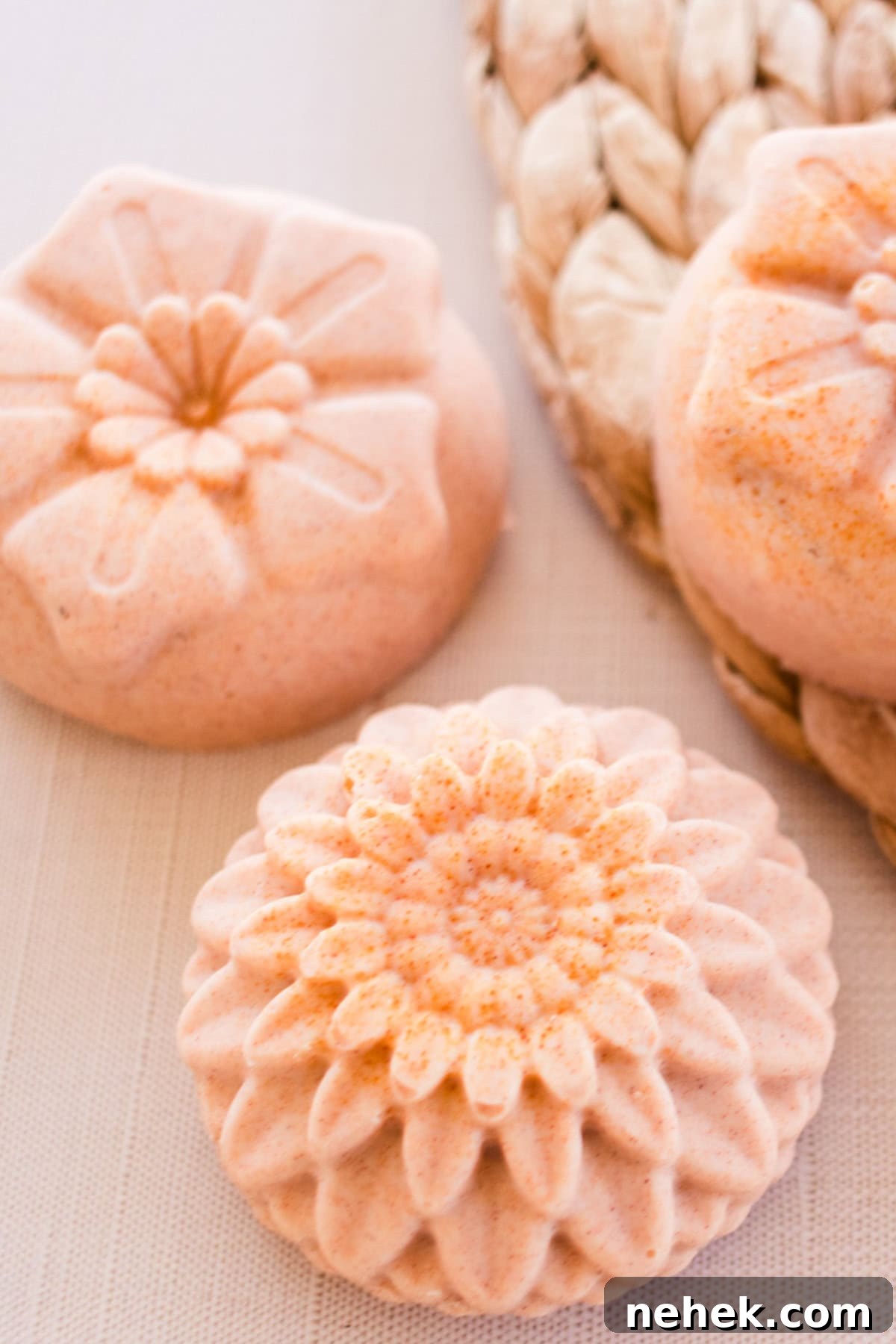
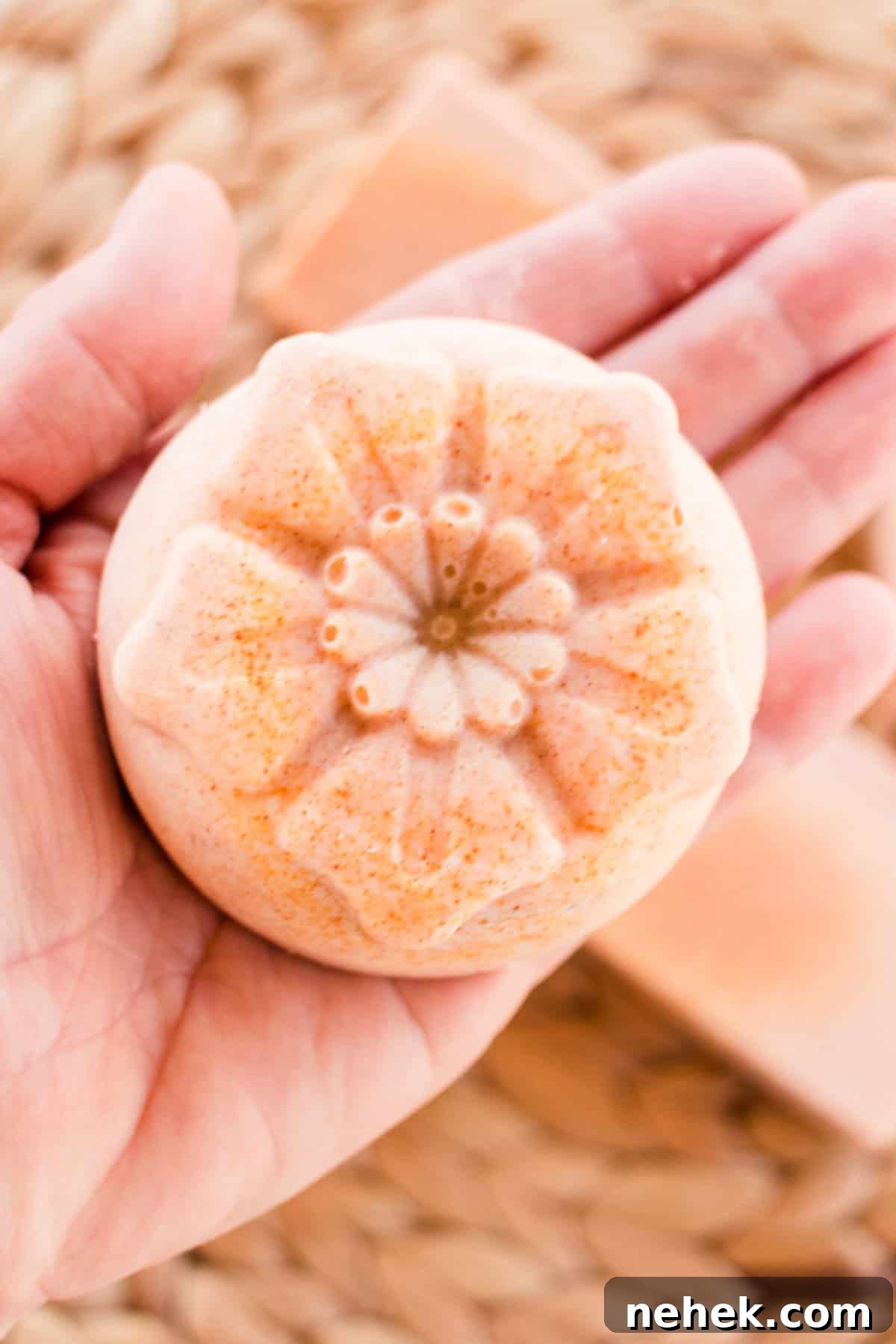
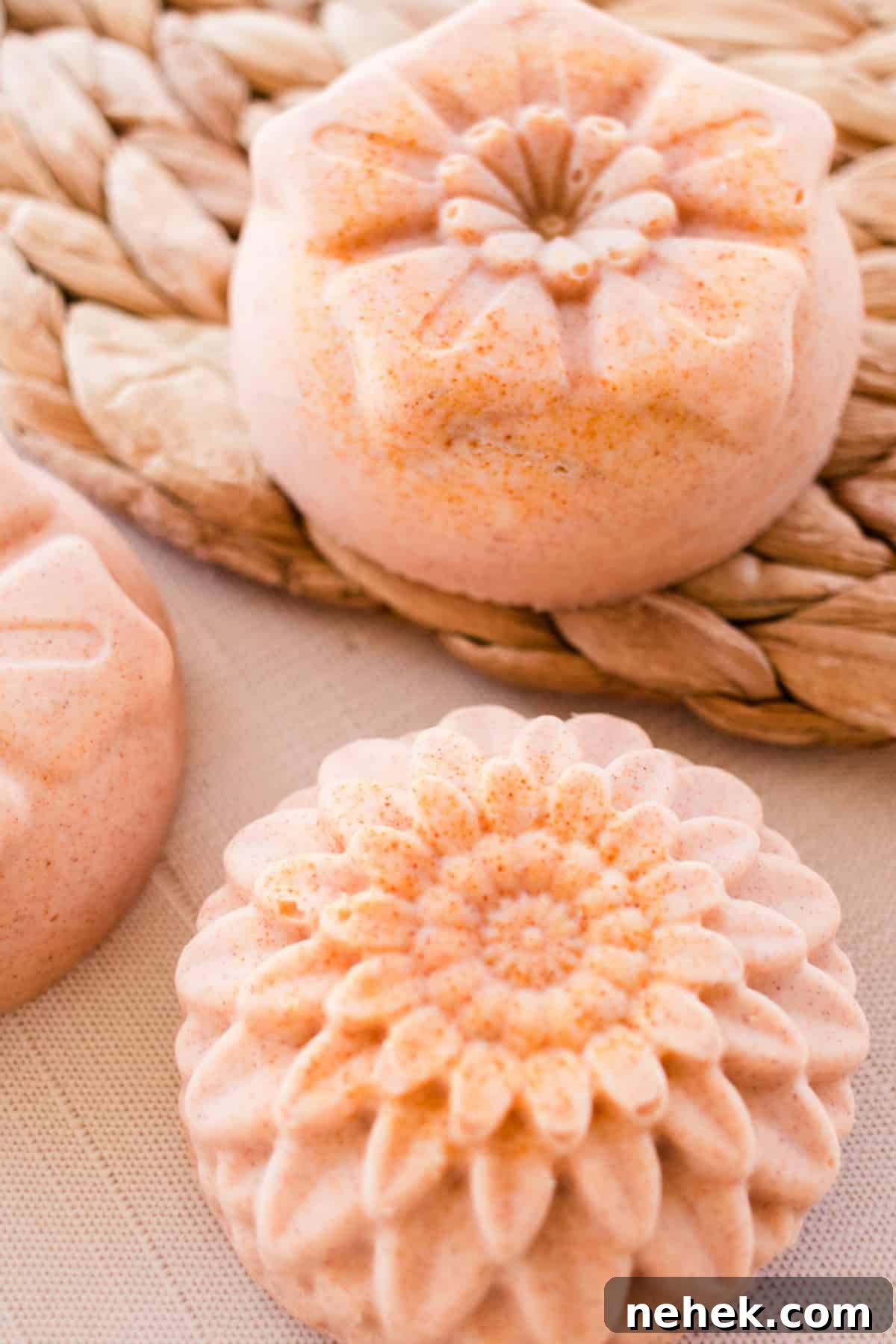
This is a delightful soapmaking project. This turmeric soap recipe produces warm orange bars with a silky lather that helps keep skin hydrated. Follow the steps below to make your own turmeric soap.
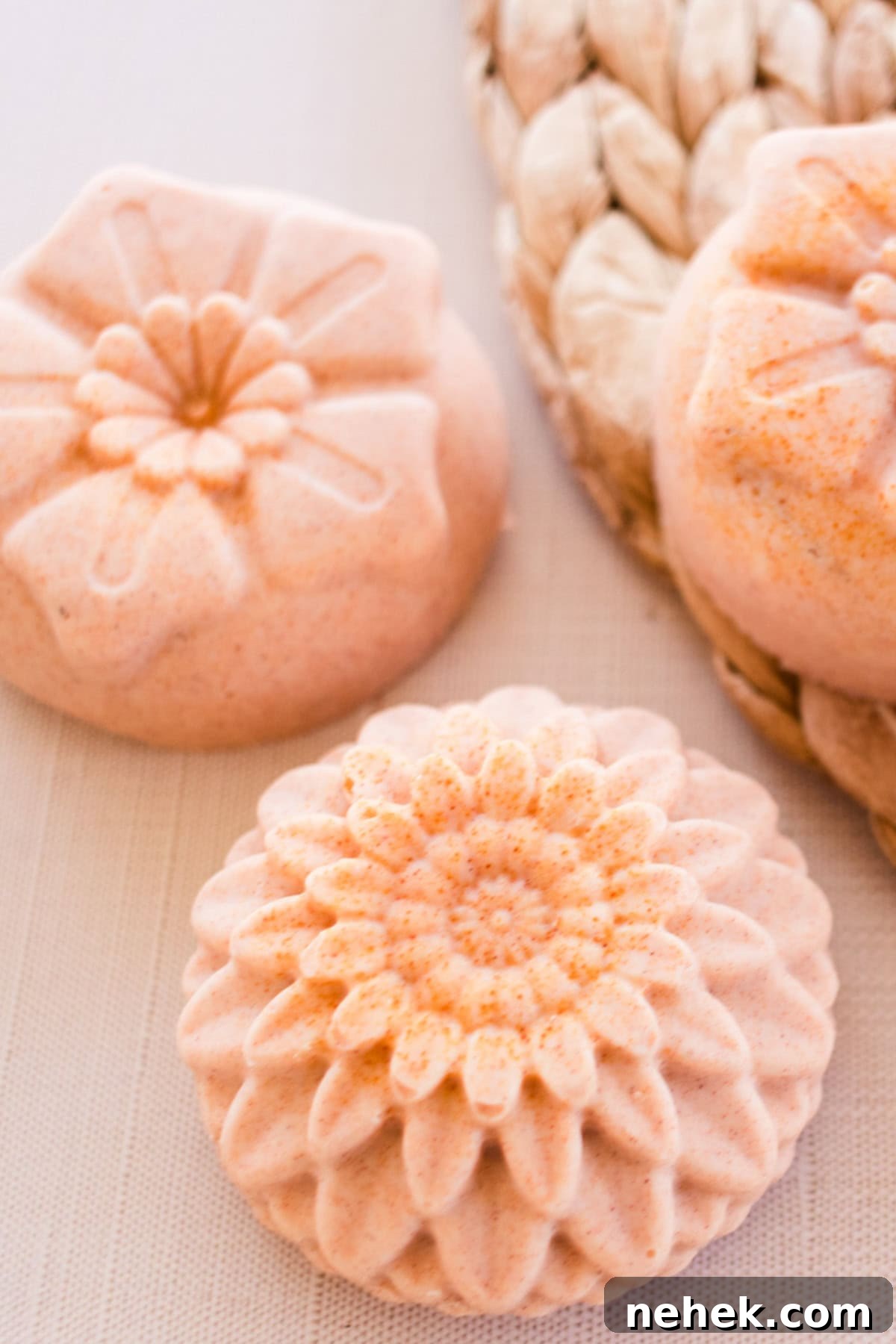
Turmeric is beloved in cooking and homemade beauty products alike. This warming, fragrant spice adds color, a subtle spicy scent, and skin-nourishing properties to soap.
The scent of turmeric is earthy and warming; some people love it and others prefer to mask it with essential oils. In this recipe I keep the scent natural because it’s gentle and grounding.
Below is an easy cold-process turmeric soap recipe with photos and clear steps. I hope you enjoy making and using these bars.
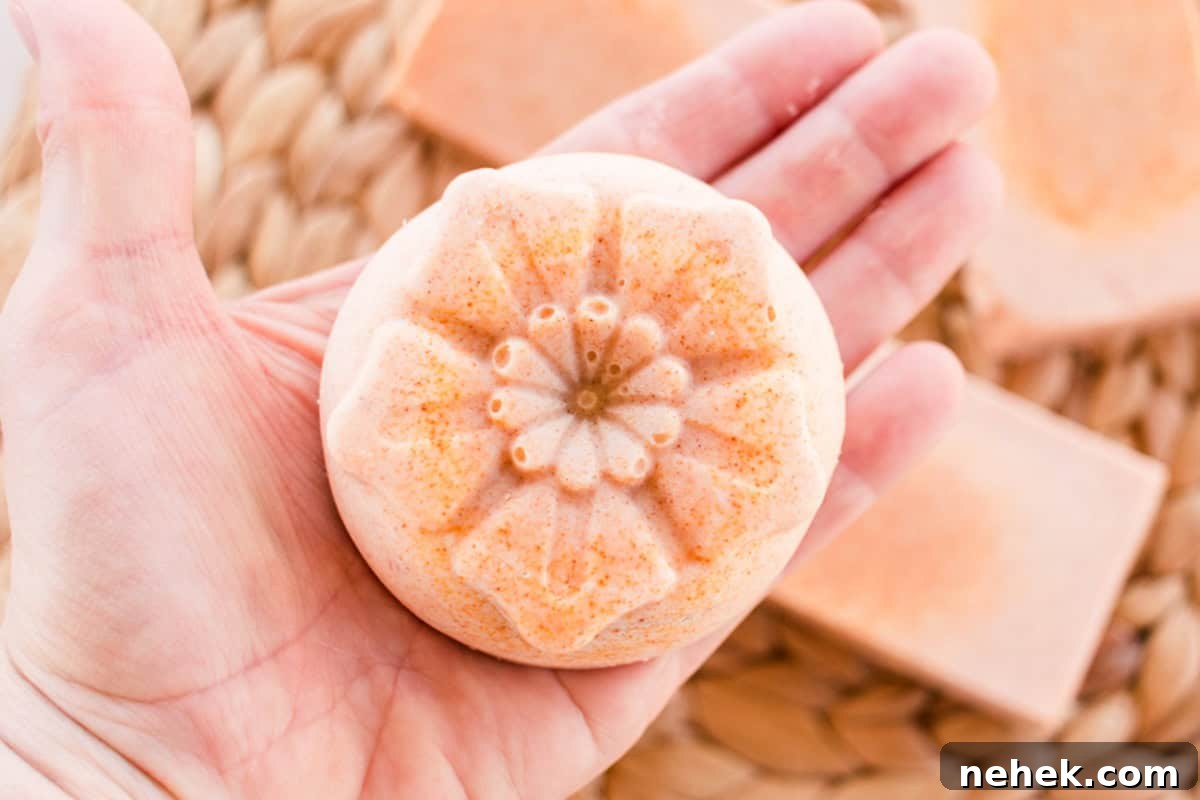
What is turmeric soap?
Turmeric soap is a handcrafted soap that includes dried turmeric powder as a colorant and additive. Turmeric contributes a warm orange hue, a mild spicy aroma, and compounds that many find beneficial for skin appearance and comfort.
Combined with moisturizing oils and butters, turmeric creates a bar that cleanses while helping to nourish and hydrate the skin.
Why you will love this turmeric soap recipe
- Made using the cold-process method, so you have flexibility with ingredients and control over the final bar.
- The orange color and subtle spicy scent make these bars distinctive and enjoyable to use.
- These bars make thoughtful homemade gifts—unique, handmade, and memorable.
- They are family-friendly; the bright color is especially appealing to kids.
A little about the ingredients
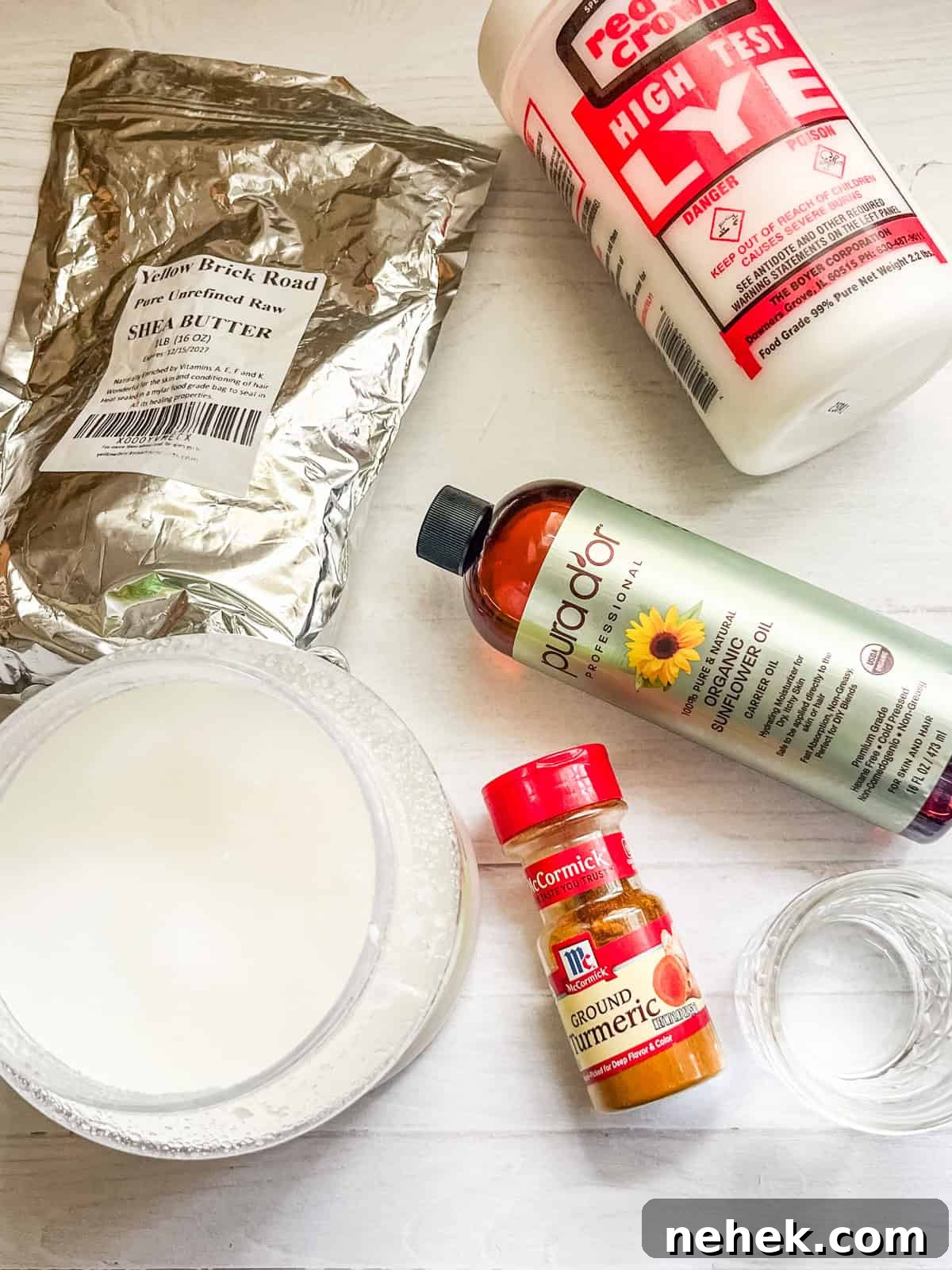
- Turmeric: A warming spice that adds natural color and a mild scent. Turmeric is often included in skincare for its brightening and soothing reputation.
- Shea butter: A rich, deeply moisturizing butter that helps keep skin soft and nourished.
- Coconut oil: Adds cleansing and lathering properties along with moisturizing fatty acids.
- Sunflower oil: A lightweight oil high in linoleic acid and antioxidants that supports skin moisture.
How to make turmeric soap
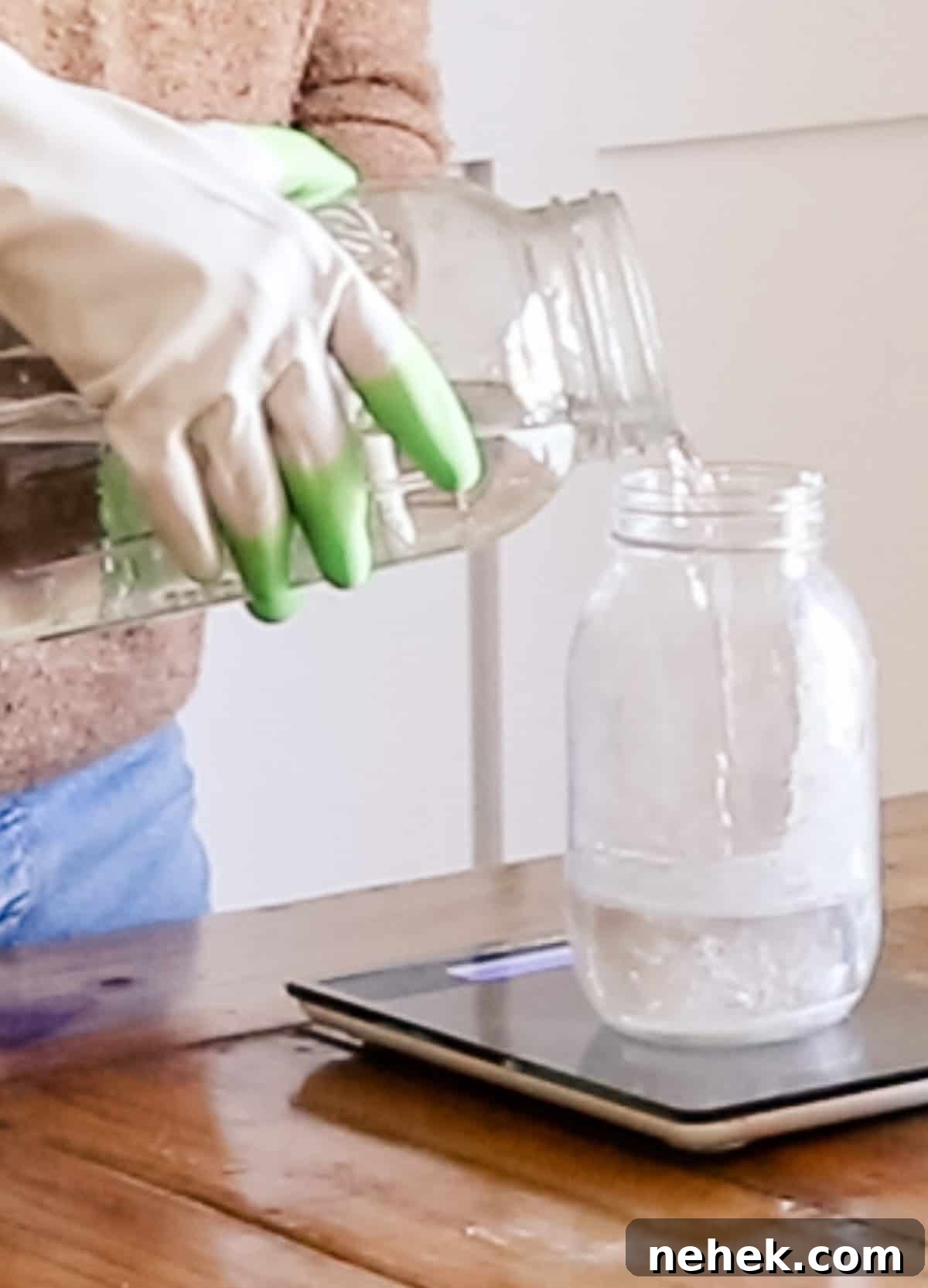
Step 1: Use a digital scale to measure the water and add it to a heat-resistant container.
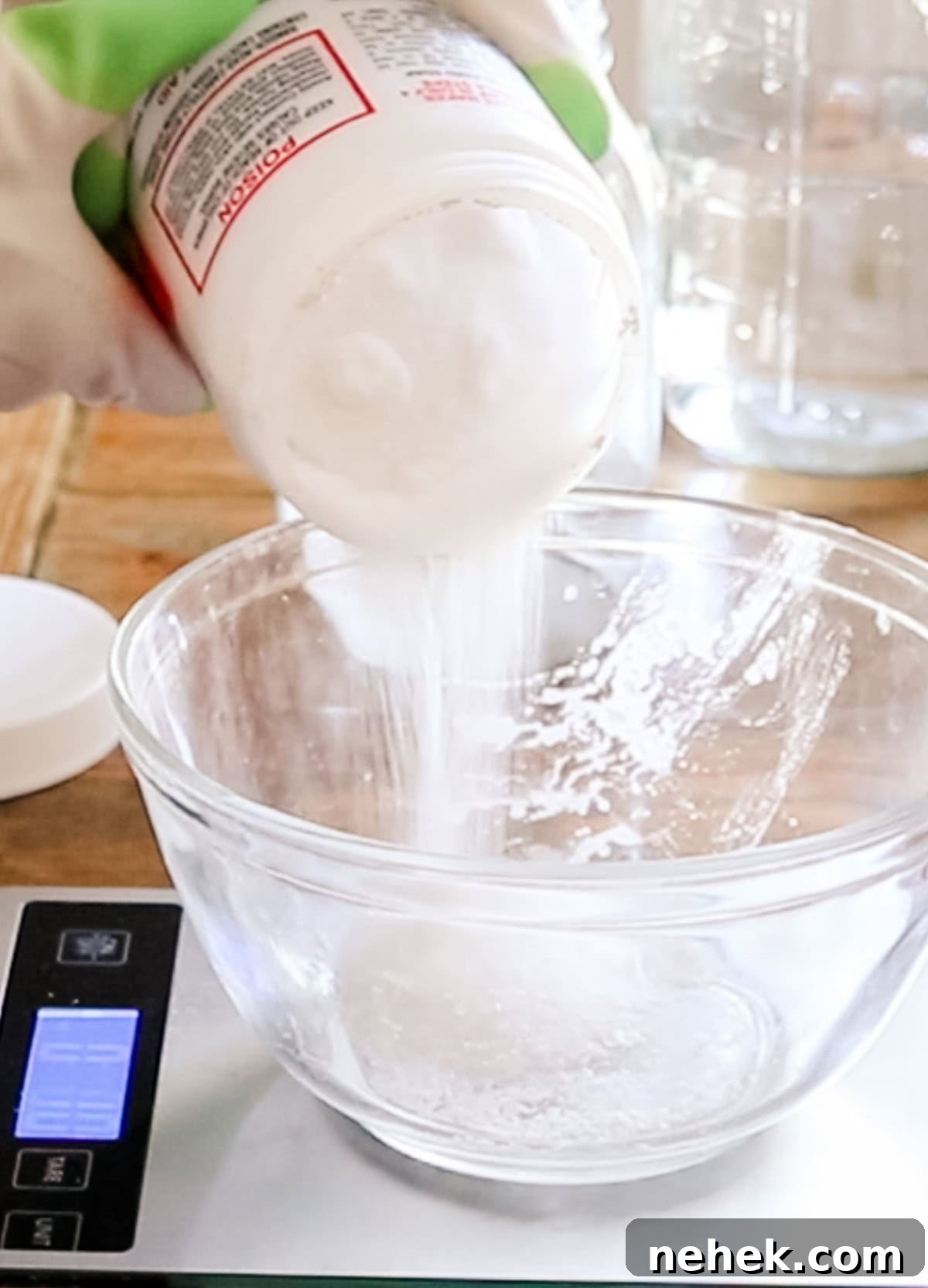
Step 2: Slowly add the lye to the water, stirring gently as you go.
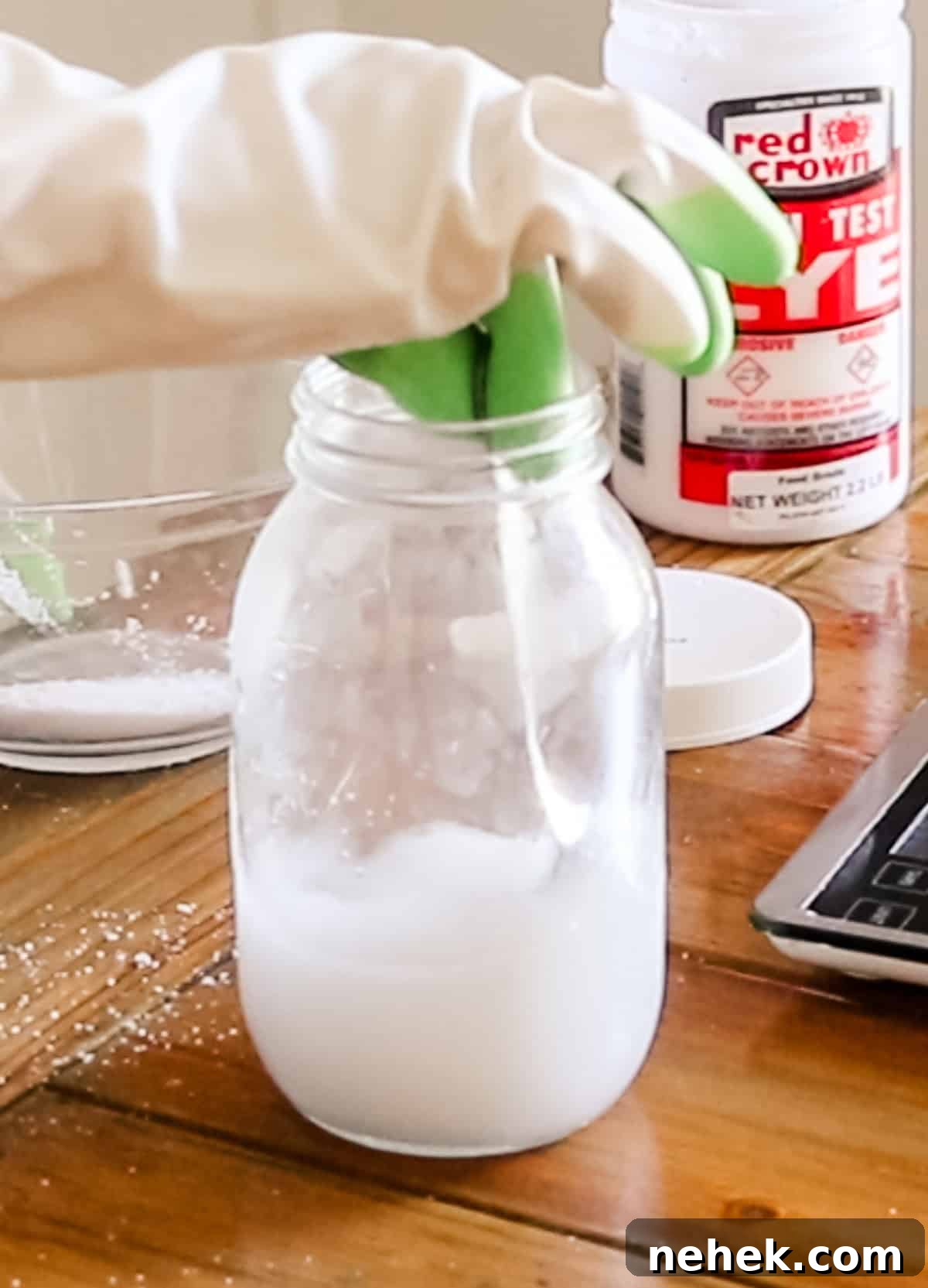
Step 3: Stir until the lye dissolves. The mixture will heat up—set it aside to cool to about 120–130°F (49–54°C).
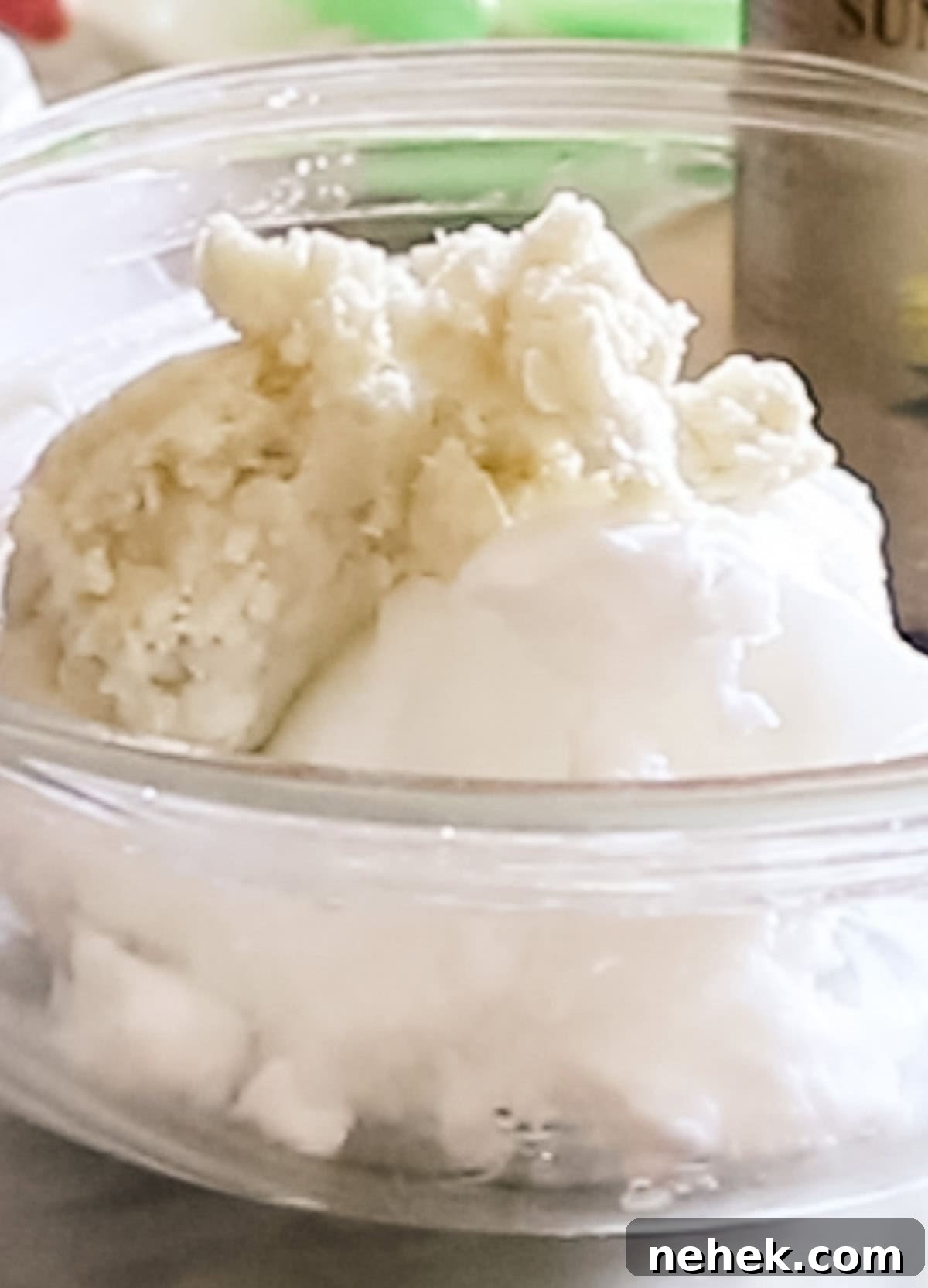
Step 4: Melt the coconut oil, shea butter, and sunflower oil in a small saucepan over medium heat.
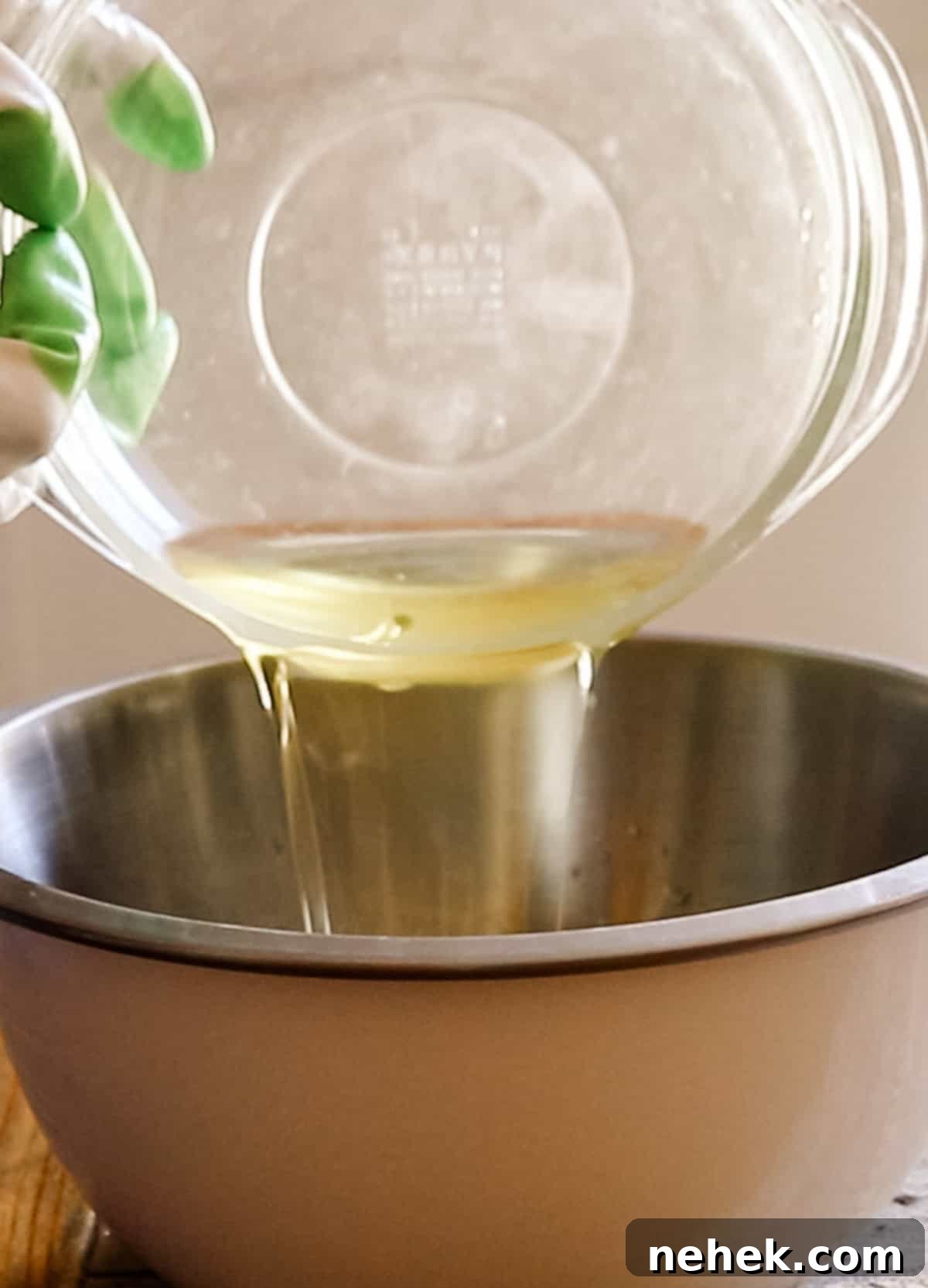
Step 5: Once melted, let the oils cool slightly and transfer them to a metal mixing bowl.
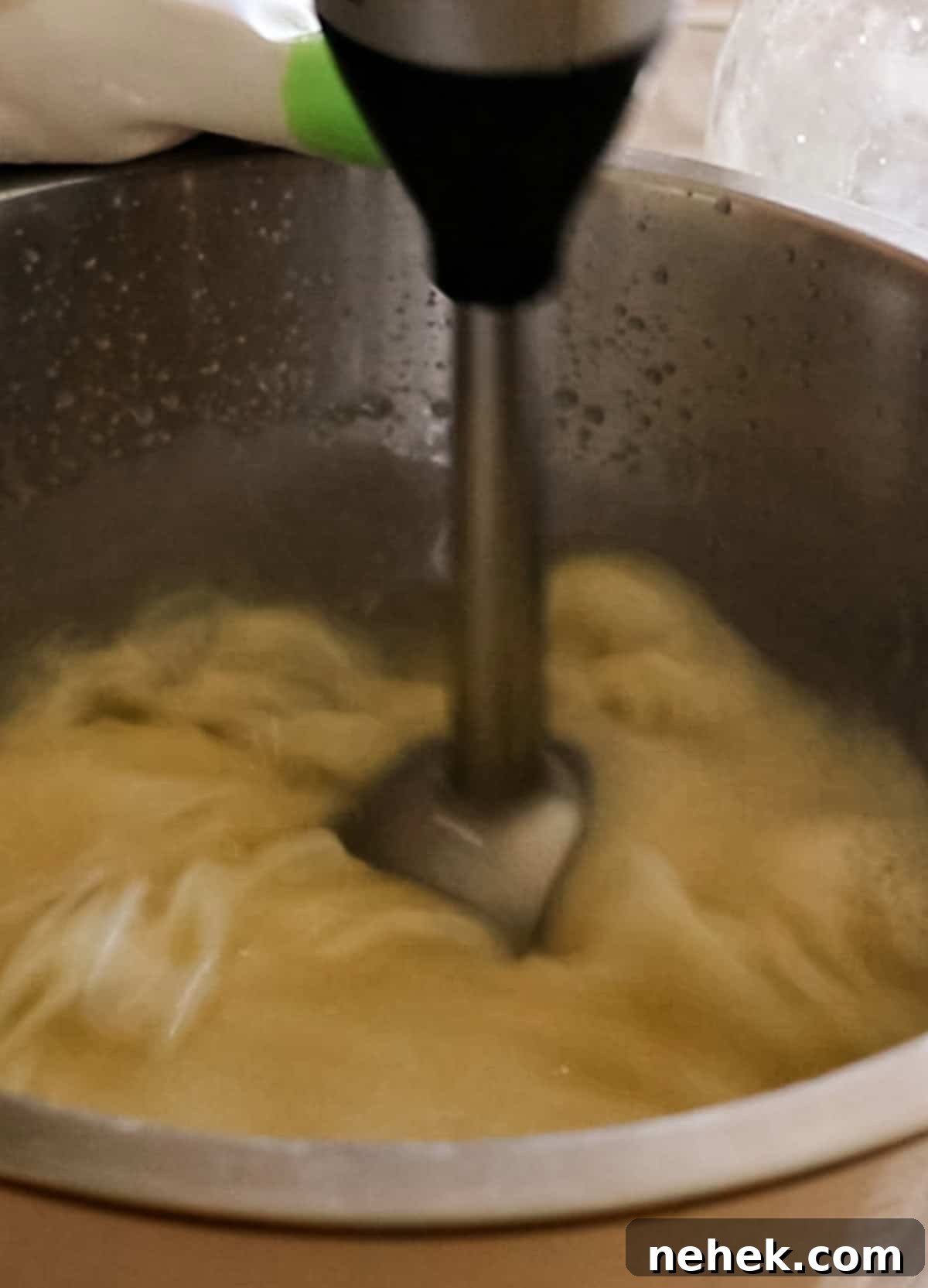
Step 6: Add the lye solution to the melted oils a little at a time, mixing with an immersion blender between additions until the mixture reaches trace.
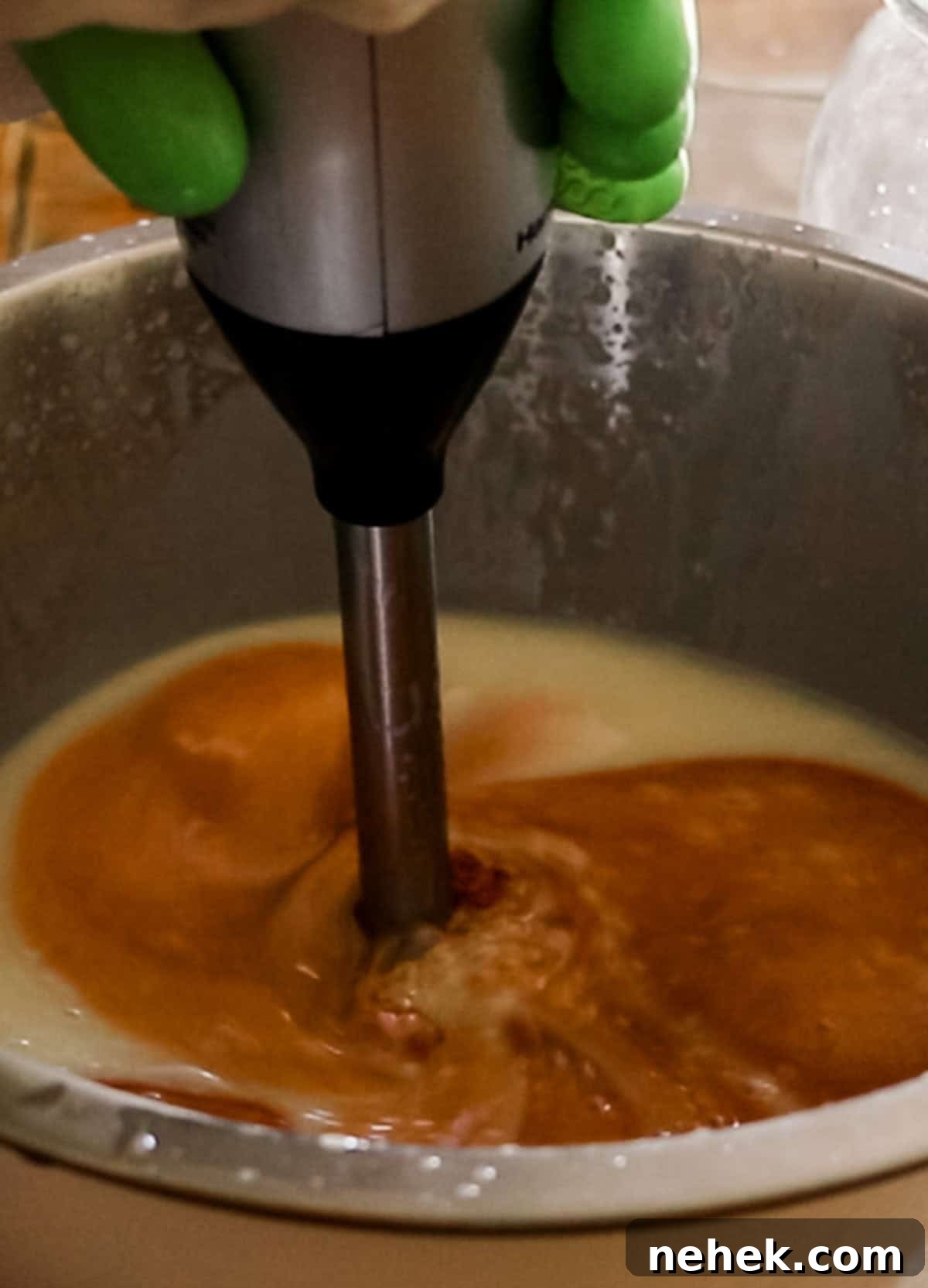
Step 7: Whisk in turmeric powder until evenly incorporated. To test for trace, hold the blender above the bowl—if the drips hold and slightly mound on the surface, it has reached trace.
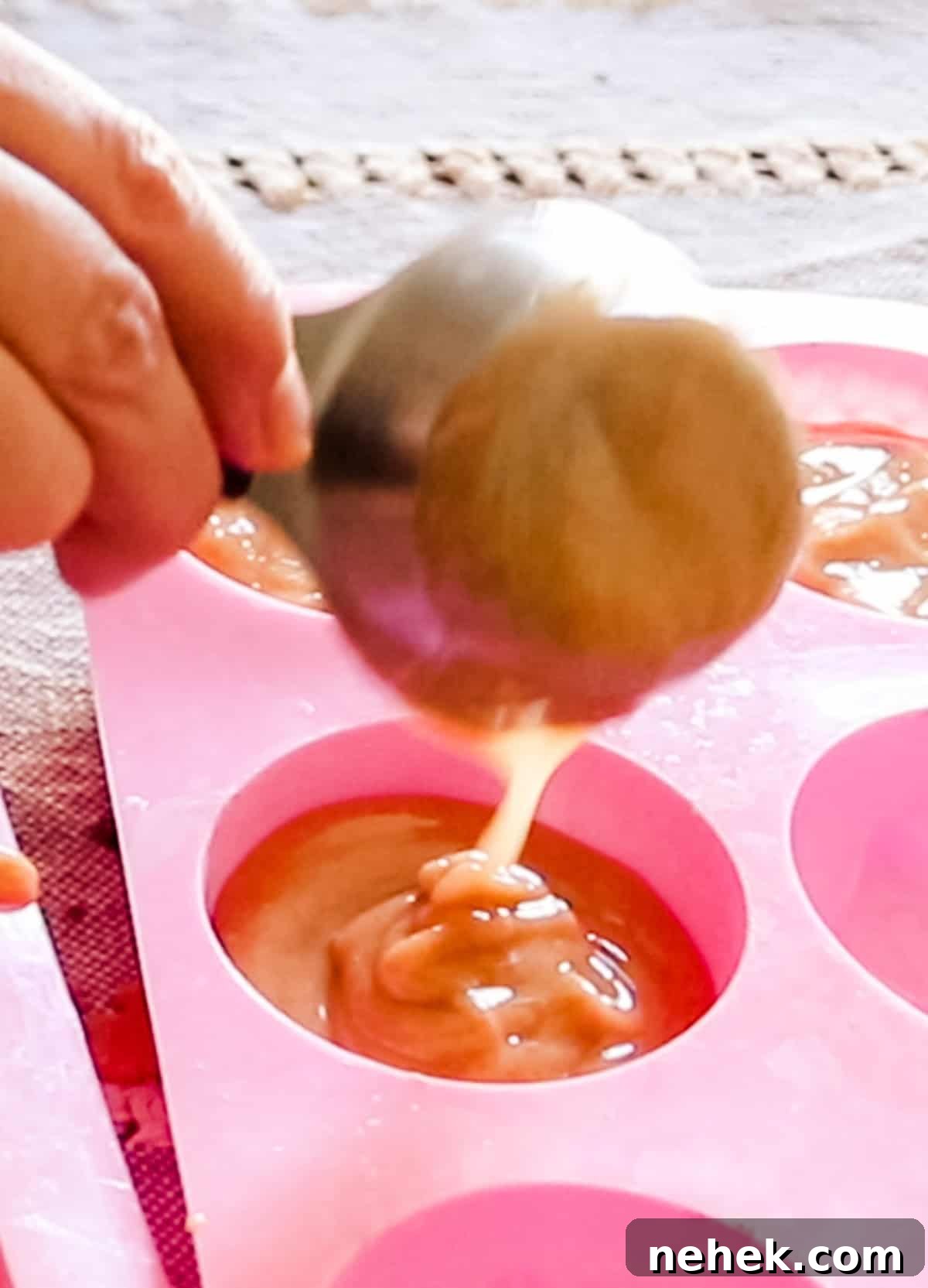
Step 8: Pour the soap into molds and let it set for 24 hours up to 3 days. Once firm, remove the bars and place them on end to cure for 5–6 weeks before use.
Important safety notes
Always recalculate any ingredient changes with a soap calculator—do not substitute or scale ingredients without proper recalculation.
Use appropriate safety gear: long sleeves, goggles, gloves, and a mask. Work in a well-ventilated area. Keep children and pets away while you work, and store lye and other ingredients out of reach.
Expert tips + notes
- This recipe is formulated with a 5% superfat for extra skin conditioning.
- If you’re new to cold-process soapmaking, read the full instructions and safety notes before starting.
- Don’t skip the cure time. Proper curing ensures a harder bar and a milder, longer-lasting soap.
- Silicone molds are convenient and require no release agents; loaf molds work too if you plan to cut bars.
- Yield will vary depending on the size and shape of your molds.
Frequently asked questions
Cold-process soap takes practice like any new skill. It requires precise measurements and safe handling of lye, but following a tested recipe closely will help ensure success.
Cold process soap is mixed at cooler temperatures so saponification happens more slowly. Longer curing time allows excess water to evaporate and the bar to harden, improving longevity and mildness.
If you prefer a faster finish, hot-process methods shorten cure time. Melt-and-pour bases are another beginner-friendly option where saponification is already complete and you can add colorants and extras easily.
Wrapping up
Turmeric soap bars are attractive, soothing, and practical for daily use at the sink or in the shower. The warm color and gentle scent make them enjoyable to use and share.
Allow the bars to cure for 5–6 weeks for best results. Patience yields a firmer, milder soap that lasts longer.
If you try this turmeric soap recipe, consider leaving a review to share your experience.
More Soap Recipes
- Homemade charcoal soap bars
- Homemade loofah soap bars
- Flower-top chamomile bars
- Smooth olive oil soap bars
- Homemade goat milk soap (melt and pour)
- Shea butter soap
If you tried this Turmeric Soap Recipe or any tutorial on this site, please leave a star rating and let others know how it went in the comments. Thanks for visiting!
Turmeric Soap Recipe
Pin
Equipment
-
digital scale
-
immersion blender
Ingredients
- 12 oz Coconut oil
- 8 oz Shea butter
- 5 oz Sunflower oil
- 3.66 oz Lye
- 8.18 oz Water
- 1.5 tbsp Turmeric powder
Instructions
-
Measure the water on a digital scale and add it to a heat-resistant container.
-
Slowly add lye to the water and stir until dissolved. Allow to cool to about 120–130°F (49–54°C).
-
Melt coconut oil, shea butter, and sunflower oil over medium heat.
-
Let the melted oils cool slightly.
-
Combine all oils in a mixing bowl.
-
Add the lye solution to the oils gradually, blending with an immersion blender.
-
Continue adding and mixing until the mixture reaches trace.
-
Check trace by lifting the blender—if the drips hold briefly on the surface, it has traced.
-
Mix in turmeric powder until evenly distributed.
-
Pour into molds and allow to set for 24 hours up to 3 days.
-
Remove from molds and cure the bars on end for 5–6 weeks before use.
Notes
Wear gloves, goggles, and long sleeves, and work in a well-ventilated area away from children.
This recipe assumes a 5% superfat.
Any ingredient adjustments require recalculating with a soap calculator.
Silicone molds are recommended for ease of use, but loaf molds are an option if you plan to cut bars.
Yield depends on your mold sizes.
This recipe is for personal use and enjoyment. It is not intended as medical advice. Readers should do their own research and testing before making any recipe.