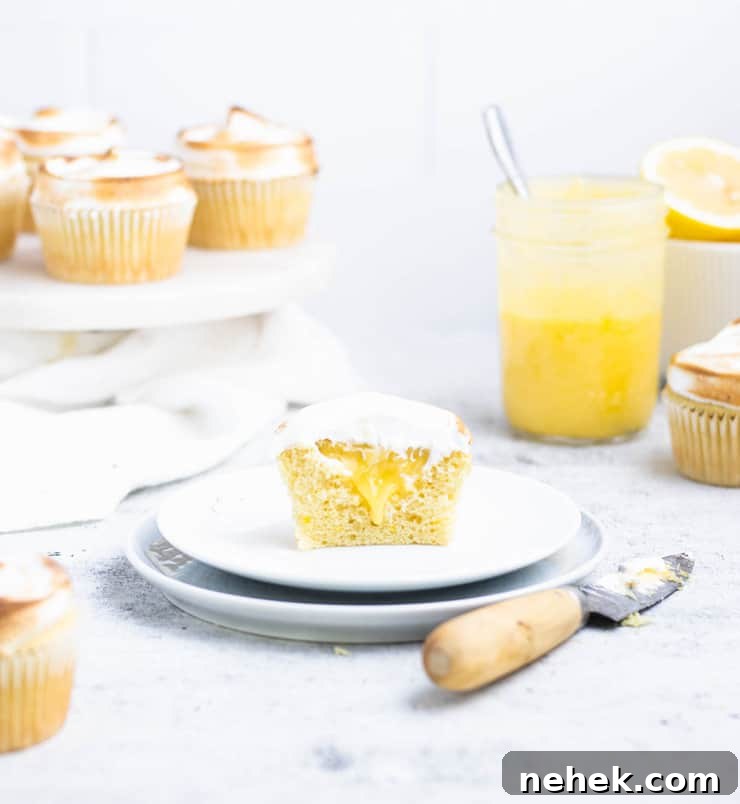
Cupcakes—made even better. In this article you’ll learn an easy method for filling cupcakes using a simple tool you likely already own, plus ideas for flavor combinations that elevate your baked treats.
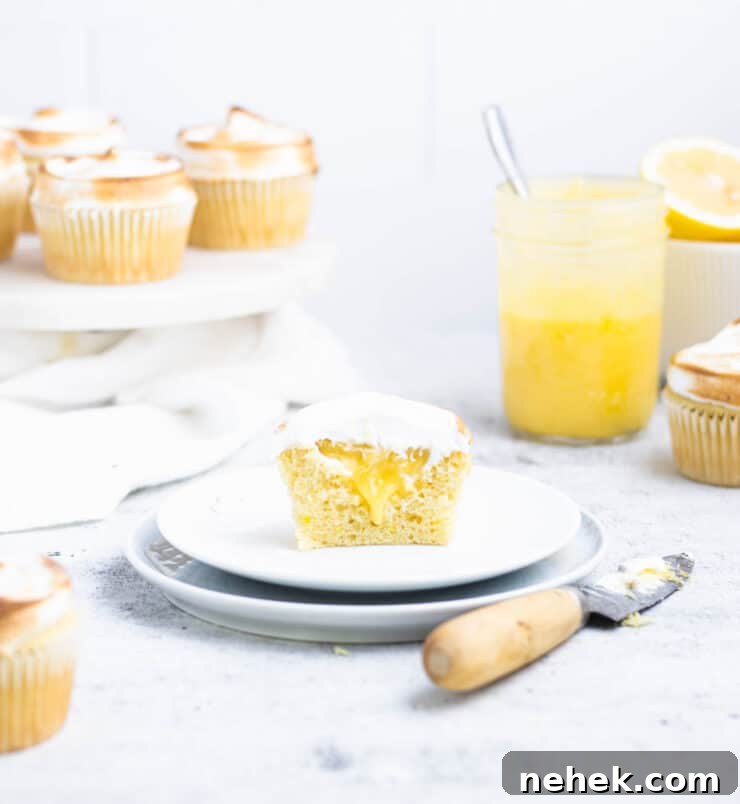
There’s something joyful about biting into a cupcake and finding a hidden surprise at its center. Filling cupcakes is one of my favorite ways to add that little moment of delight—along with an obligatory sprinkling of sprinkles.
This technique is straightforward and doesn’t require specialty tools or extra storage. All you need is a paring knife, a filling of your choice, and a batch of your favorite cupcakes.
How to choose the right cupcake
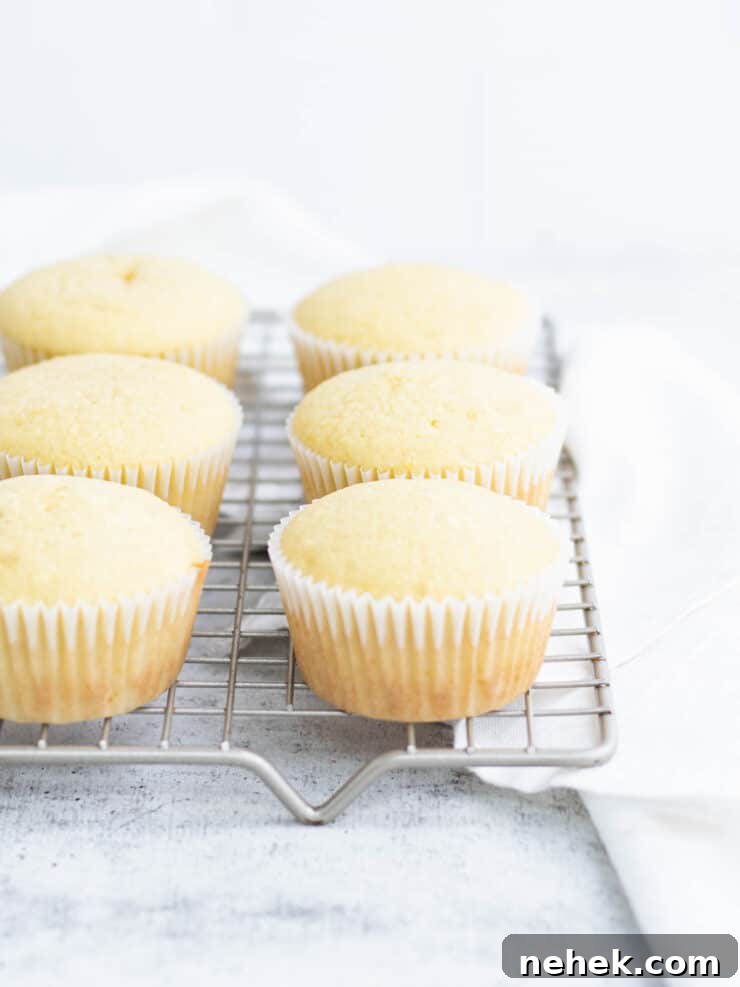
Not every cupcake is ideal for filling. Because the method involves removing the center, choose a cupcake that’s sturdy enough to hold its shape after coring and biting.
Most standard cupcakes, including ones adapted from box mixes, work well.
Types of cakes to avoid:
- Sponge cakes: Delicate cakes like angel food-style cupcakes are too fragile to core and tend to soak up moisture from the filling, which can lead to sogginess or crumbling.
- Cakes with large mix-ins: Cakes containing big chunks—such as large fruit pieces or nuts—are harder to core cleanly and may tear when you remove the center.
Select a filling
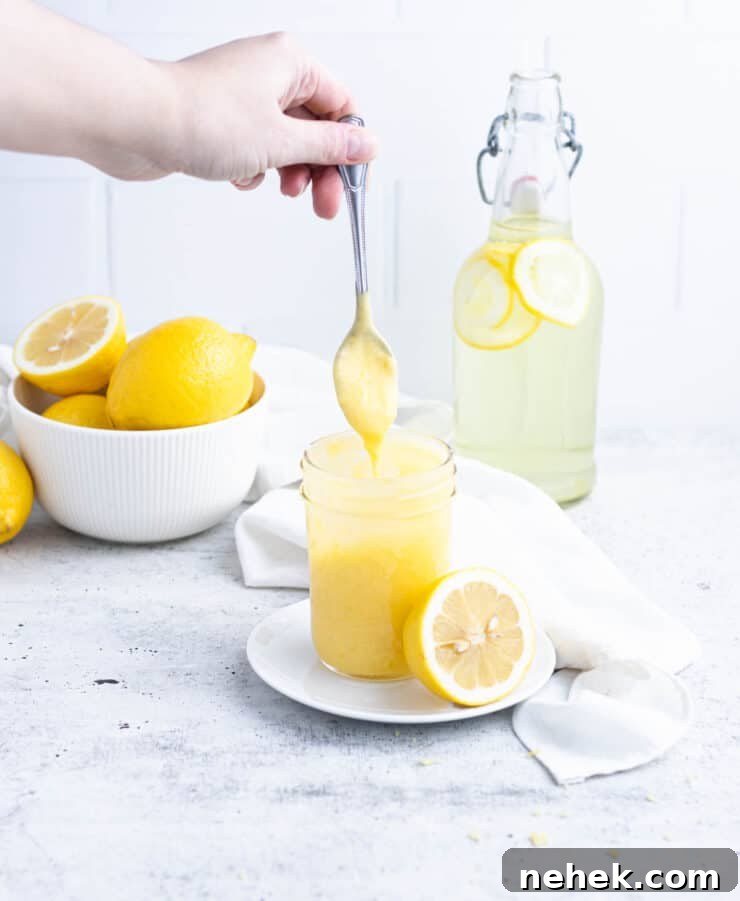
You have a wide range of filling options: frostings, jams, curds, and spreads all work beautifully. Choose flavors that pair well with your cupcake base for the best results.
Fillings to avoid:
- Thin liquids: Sauces or very runny fillings can soak into the cake or leak out when you bite into the cupcake. Thicker spreads or set caramels are better options.
- Items not stable at room temperature: Fillings that must stay frozen or very cold—like ice cream—aren’t practical unless you serve immediately from a freezer.
- Fillings much denser than the cake: Extremely dense fillings can make the texture unappealing and affect how the cupcake holds together.
How to fill cupcakes
Once cupcakes are baked and fully cooled, they’re ready to be filled. Chilling them in the refrigerator for 20–30 minutes can make coring easier and reduce the chance of squishing.
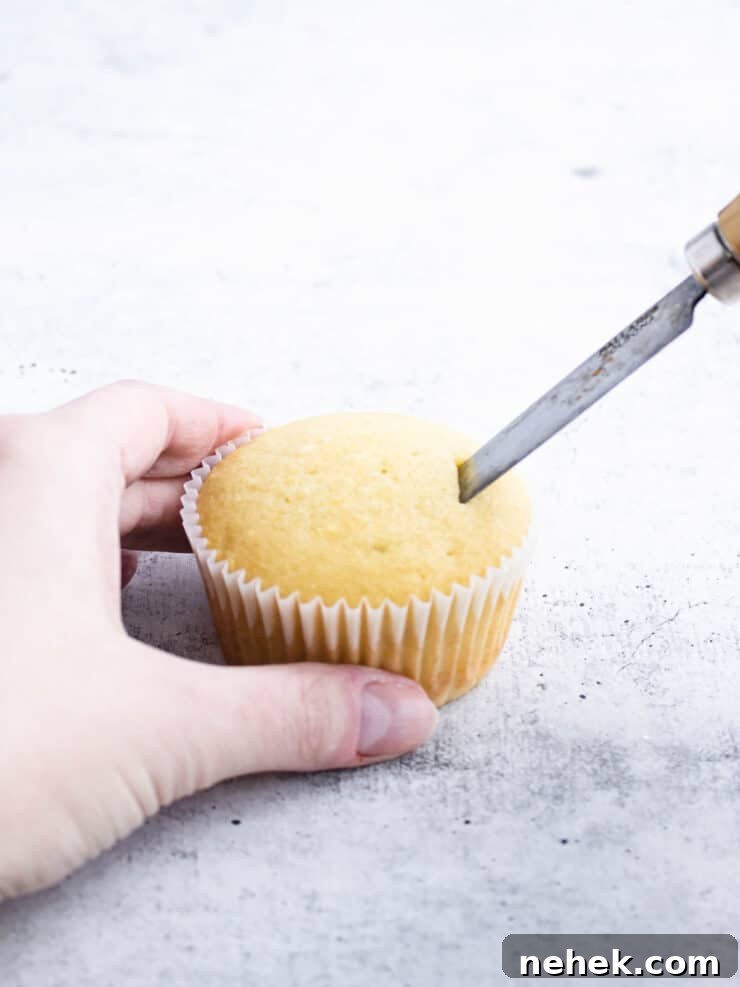
1. Cut out the center.
I prefer a paring knife for precision and control. Hold the knife at about a 45-degree angle and insert it into the top of the cupcake roughly ¼” from the edge.
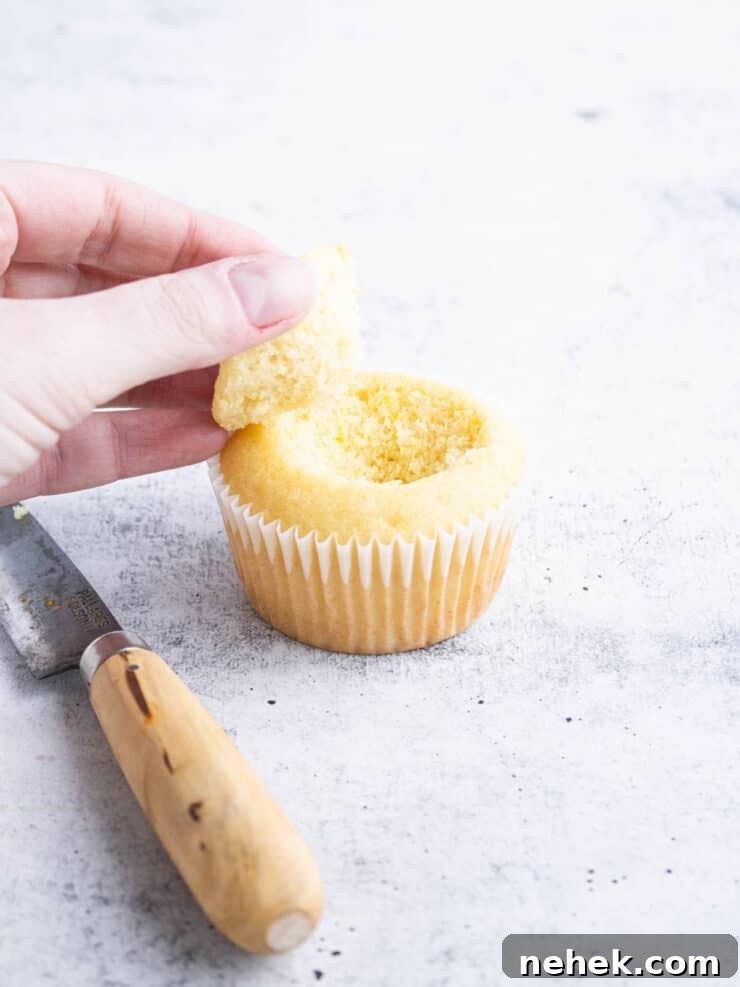
Using a gentle sawing motion, cut around the top in a circle, keeping the outer edge of the knife at least ¼” from the liner. Be mindful of depth—don’t cut all the way through to the bottom.
When you’ve made the full circle, you should be able to lift out a cone-shaped piece of cake.
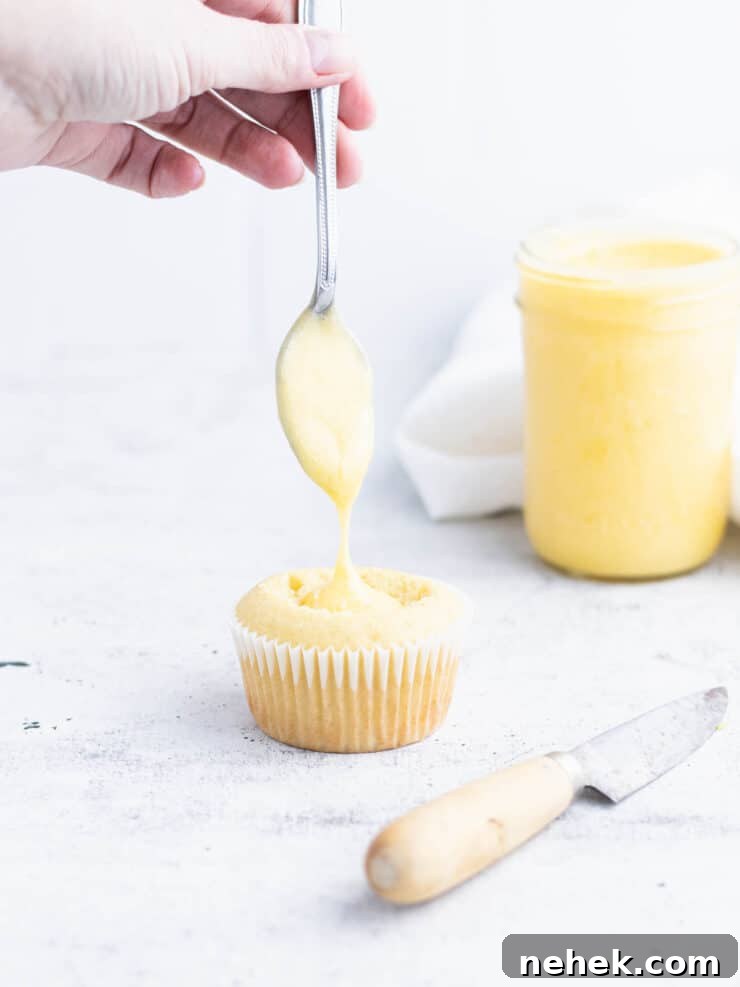
2. Add the filling.
Spoon your chosen filling into the cavity, leaving about ¼” of space from the top so the cupcake can be resealed and frosted.
Trim the wide end of the removed cone to about ¼” so it sits flush when replaced.
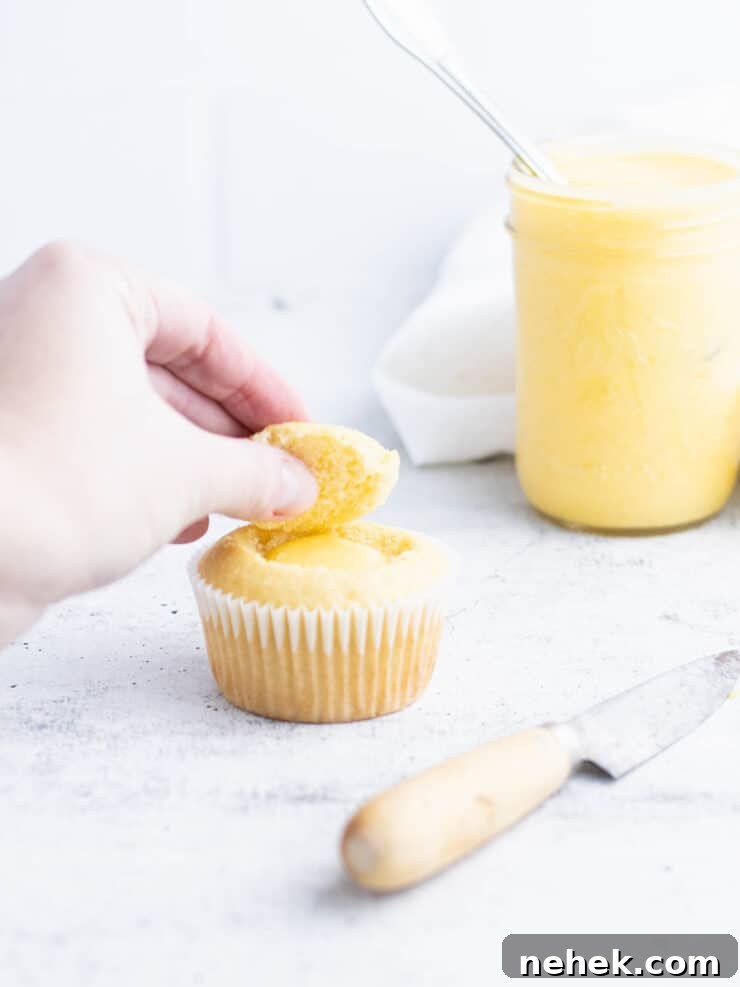
3. Replace the cake piece and frost.
Set the trimmed cake piece back on top to seal the filling, then frost as desired. You can serve immediately or store according to the filling’s needs.
Storage note: Some fillings and cake combinations hold up well after assembly; others are best filled right before serving. Plan accordingly based on the ingredients you choose.
Expert tips
- Storing filled cupcakes: For best texture, eat cupcakes the day they’re made. If you must store them, place in an airtight container at room temperature for 1–2 days unless the filling requires refrigeration.
- Serve at room temperature: Even fillings that need refrigeration often taste better when the cupcake is brought to room temperature—remove refrigerated cupcakes about an hour before serving when safe to do so.
Recipes for filled cupcakes
- Chocolate cherry cupcakes
- Cadbury creme egg cupcakes
- Lemon meringue cupcakes
Frequently asked questions
It depends on the filling. Some ingredients like certain chocolates and dense creams can be baked inside, but many fillings change texture or break down during baking. When in doubt, fill after baking.
Very liquid fillings can make cupcakes soggy, so choose thicker spreads, jams, or curds for best results.
Most cupcakes can be stored at room temperature, but fillings or frostings containing dairy or perishable ingredients may require refrigeration.