Did you know you can successfully freeze many dairy products? It’s true, and with a few simple techniques you can preserve milk, cheese, eggs, and butter for later use without sacrificing quality. Below are clear, practical guidelines adapted from a classic cookbook and updated for everyday kitchen use.
Milk
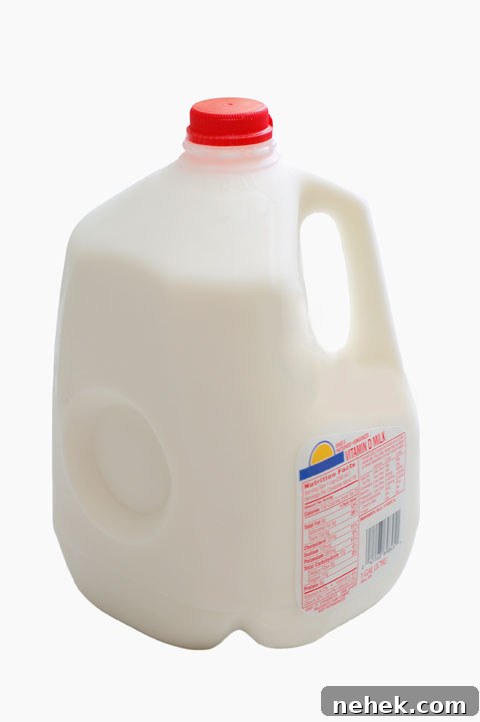
Milk freezes well when you allow room for expansion. A practical method is to transfer some of the milk into a second container so each jug has empty space to accommodate freezing. For example, pour half of a full gallon into an empty jug and freeze two half-gallon containers rather than a completely full one. This prevents the container from bursting as the liquid expands.
If you have ample freezer space and a household that uses a lot of milk, consider buying extra gallons when they are on sale and rotating them from freezer to refrigerator. Proper rotation helps ensure you always have fresh milk available and reduces waste.
Cheese
Many types of cheese freeze well, especially those intended to be melted or cooked. Shredded cheese is particularly freezer-friendly: portion it into airtight packages or containers and store it for later use in sauces, casseroles, or pizzas. If you plan to use the cheese in recipes where texture is less critical, freezing is an economical way to make the most of sales and bulk purchases.
Wrap blocks or slices tightly in plastic wrap or wax paper before placing them in a sealed, airtight container or heavy-duty freezer bag. Manufacturer-sealed zip-top packages of shredded cheese can also be frozen successfully when stored properly.

Eggs
Whole eggs, yolks, and whites can be frozen, but they require different handling. For best results, wash shells before cracking and then process the contents according to intended use. Whole eggs should be beaten gently to blend yolks and whites without whipping extra air. A useful guideline is to add a small amount of sugar to the beaten eggs if you plan to use them in baking: roughly 1 tablespoon of sugar per cup of beaten whole eggs helps preserve texture in some recipes.
For yolks, stir to break them and add 2 tablespoons of sugar or corn syrup per cup of yolks if they will be used in sweet applications; this helps prevent thickening during freezing. Egg whites should be separated and frozen without additives and should not be stirred or aerated before freezing.
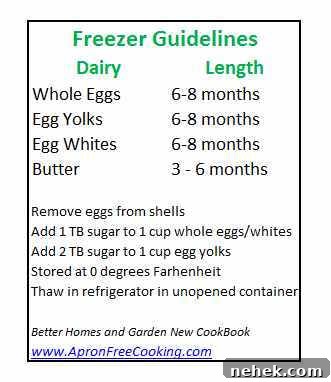
Freezer Guidelines: Dairy
Package eggs in airtight containers, leaving a little room for expansion, and label each container with the date and intended use. Frozen eggs are best for baking, cooking, or other preparations where a fried or poached presentation is not required.
Butter
Choose fresh, high-quality butter for freezing. Wrap butter in moisture- and vapor-proof material, seal it well, and label with the date. If your original packaging is foil or waxed paper, consider adding an extra layer such as a zip-top freezer bag to reduce the chance of off-flavors or freezer burn.
Butter and margarine freeze very well and are handy to stock up on before busy baking seasons. You can freeze sticks individually or as larger blocks, depending on your typical usage. When you’re ready to use frozen butter, thaw it in the refrigerator or use it directly in recipes that call for softened or melted butter.
Freezing other baking staples like flour and sugar is also effective: storing these dry ingredients in airtight containers in the freezer can protect them from pests and extend shelf life. With a little planning, you can assemble a freezer-friendly pantry and reduce last-minute shopping for holiday baking or everyday cooking.

Do you freeze dairy products?

Tip: Label and date everything you freeze, rotate supplies regularly, and use airtight packaging to maintain quality. With these steps you can confidently freeze dairy items and save both time and money.