
Pulled pork is a cornerstone of smoked barbecue. When you have leftovers, reheating them so they stay moist, tender, and flavorful can be a challenge. Below are reliable methods to bring leftover pulled pork back to life without drying it out.

Pulled pork comes from the pig’s upper shoulder (often called the butt), a large, well-marbled cut that yields plenty of juicy meat. That abundance also means you’ll often have leftovers to deal with. Reheating can easily dry out this tender meat if done incorrectly, so use one of the low-and-slow approaches below to preserve texture and flavor.
Here are six effective ways to reheat pulled pork, each suited to different equipment and time constraints. Each method prioritizes retaining juices and the original smoky flavor.
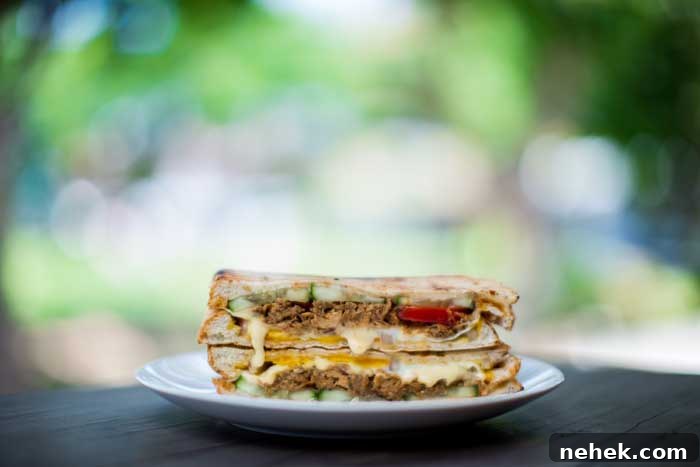
How to Reheat Pulled Pork on the Grill
Using the grill is ideal if you want to keep smoky character and add a fresh bark. The key is indirect heat so the meat warms slowly and keeps its moisture.
- For a charcoal grill, bank the coals on one side. Close the lid and bring the grill to about 225°F (107°C). Place the pork on the opposite side away from the coals.
- On a gas grill, light one burner and place the meat over an unlit burner to replicate indirect heat.
- Double-wrap the pork in foil and add about 1/3 cup of water or apple juice into the packet. Seal and place in the indirect zone.
- Heat until the internal temperature reaches 155°F (70°C), then unwrap. If you want a crisped exterior or renewed bark, finish over direct heat for a couple of minutes.
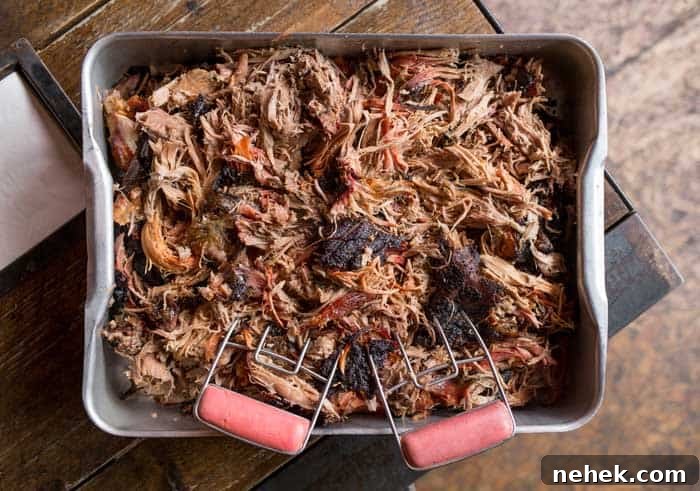
How to Reheat Pulled Pork in the Oven
The oven is a reliable, low-effort option that keeps pulled pork moist and works well for larger quantities.
- Preheat the oven to 250°F (120°C). Trim any excess solidified fat from the chilled pork if you prefer, and add a splash of apple juice or broth if the meat seems dry.
- Place the pork in an oven-safe dish, cover tightly with foil, and warm for 20–30 minutes or until the internal temperature reaches 165°F (75°C).
How to Reheat Pulled Pork in a Crock Pot or Slow Cooker
A slow cooker is excellent for gently reheating pulled pork while preserving its juices. It’s hands-off and good when you need the meat ready for serving later.
- Transfer the pork to the slow cooker and add any reserved pan juices plus a little apple juice or broth to maintain moisture.
- Set the cooker on Low or Warm and heat for a few hours until the pork registers 165°F (75°C).
How to Reheat Pulled Pork With Steam
Steaming is a simple, gentle reheating method that prevents drying by surrounding the meat with moist heat.
- Pour a generous amount of apple juice or water into a large pot and place a steamer basket above it. Bring the liquid to a simmer.
- Place the pork in the basket, cover, and steam for 20–30 minutes or until the internal temperature reaches 165°F (75°C).
How to Reheat Pulled Pork by Sous Vide
Sous vide reheating keeps the meat sealed in its juices and gently brings it to the correct temperature. It’s one of the best ways to preserve texture.
- Add the meat juices to the meat and vacuum-seal the bag.
- Bring water to a boil, then transfer the sealed bag into the water and turn the heat off or maintain a low temperature.
- Leave the bag in the water 20–30 minutes, or until the pork reaches 165°F (75°C).
How to Reheat Pulled Pork in the Microwave
The microwave is fastest but risks drying and flavor loss. Use careful short bursts and added moisture to minimize damage.
- Remove any solid fat cap, then gently stir the pulled pork so the remaining juices distribute. Add a few drops of apple juice if it looks dry.
- Place the pork in a microwave-safe bowl, cover loosely, and heat on high in 60-second intervals, stirring between each. Continue until the internal temperature is 165°F (75°C).
Why Dry Meat Ruins the Experience
Smoked pulled pork is prized for its rendered fat, smoky flavor, and tender texture. Drying out leftover meat erases those qualities: lost juices mean lost flavor, and dried fibers lose the succulent mouthfeel that makes smoked pork so enjoyable. Gentle, low-temperature reheating preserves what you worked to create the first time.
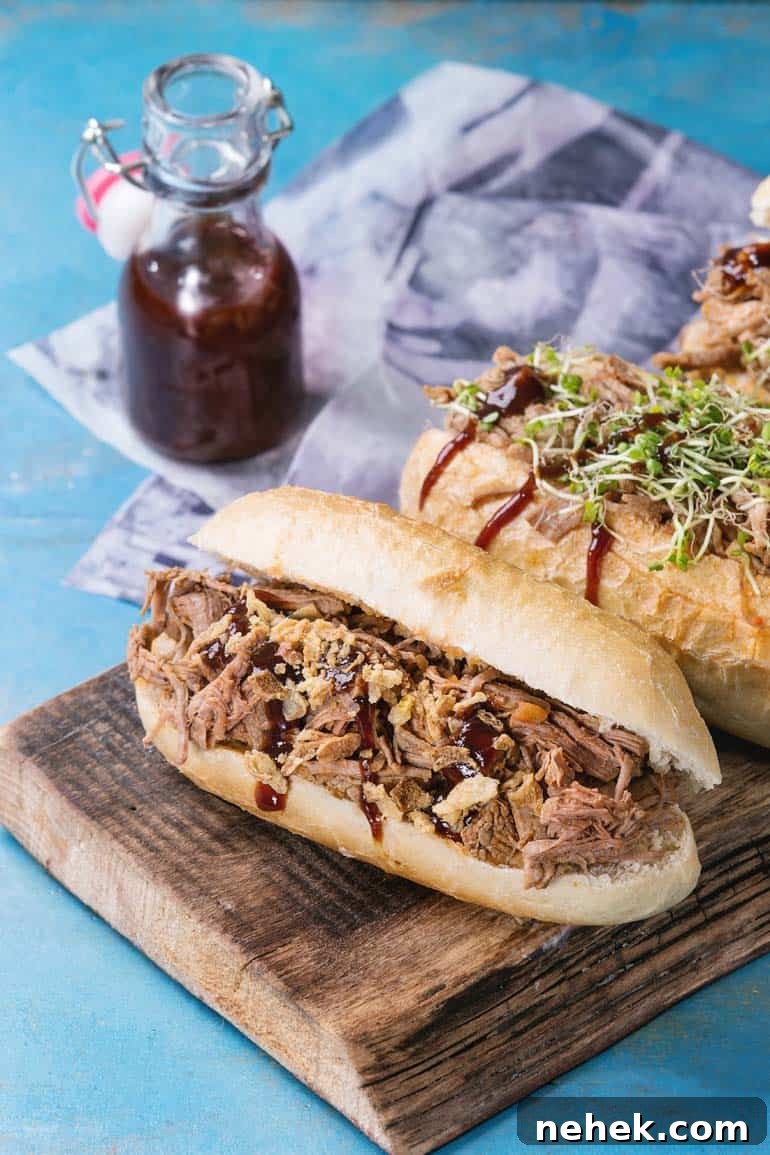
If you’re planning a meal, remember to portion and store leftovers properly so reheating is easier and results are better.
Best Practices for Storing Pulled Pork
How you store pulled pork after the initial cook has a big impact on reheating success. Portion leftovers into airtight containers and pour any pan drippings or juices over the meat before sealing. Those juices lock in moisture and flavor when reheated.
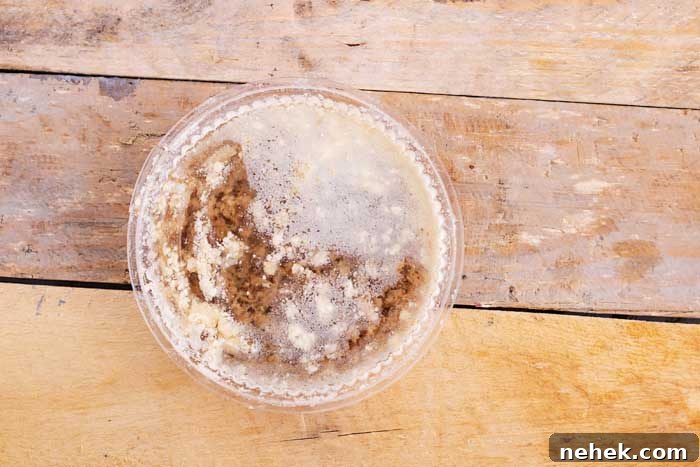
Store containers in the refrigerator if you’ll eat the pork within a few days. For longer storage, freeze the portions; pulled pork will maintain quality for about four months in the freezer. When chilled, a layer of fat may form on top—remove excess solid fat before reheating for best results. If frozen, thaw overnight in the refrigerator to keep the meat safe and minimize moisture loss.