Imagine baking a hearty, delicious loaf of homemade bread in your own oven with only a few minutes of hands-on prep. Ready to enjoy in less than three hours, this Everyday No-Knead Peasant Bread requires no special equipment and delivers excellent texture and flavor. It really is that simple.
Let’s start at the beginning…
Gather the short list of ingredients:
- Flour – Unbleached all-purpose flour works well here. I prefer organic, non-GMO flour; weigh it if possible for accuracy.
- Instant yeast – Instant yeast is whisked into the flour and goes straight into the mix. If you only have active dry yeast, you can use that too; see the recipe instructions for the proofing step.
- Granulated sugar – Adds a touch of sweetness and helps activate the yeast.
- Kosher salt – If substituting table salt, use about two-thirds of the amount called for with kosher salt because table salt is finer and more concentrated.
- Lukewarm water – Aim for around 100°F (about 38°C) to activate the yeast. Water hotter than about 130°F (54°C) can kill the yeast. A thermometer or a kettle with temperature control can be helpful to get the right temperature.
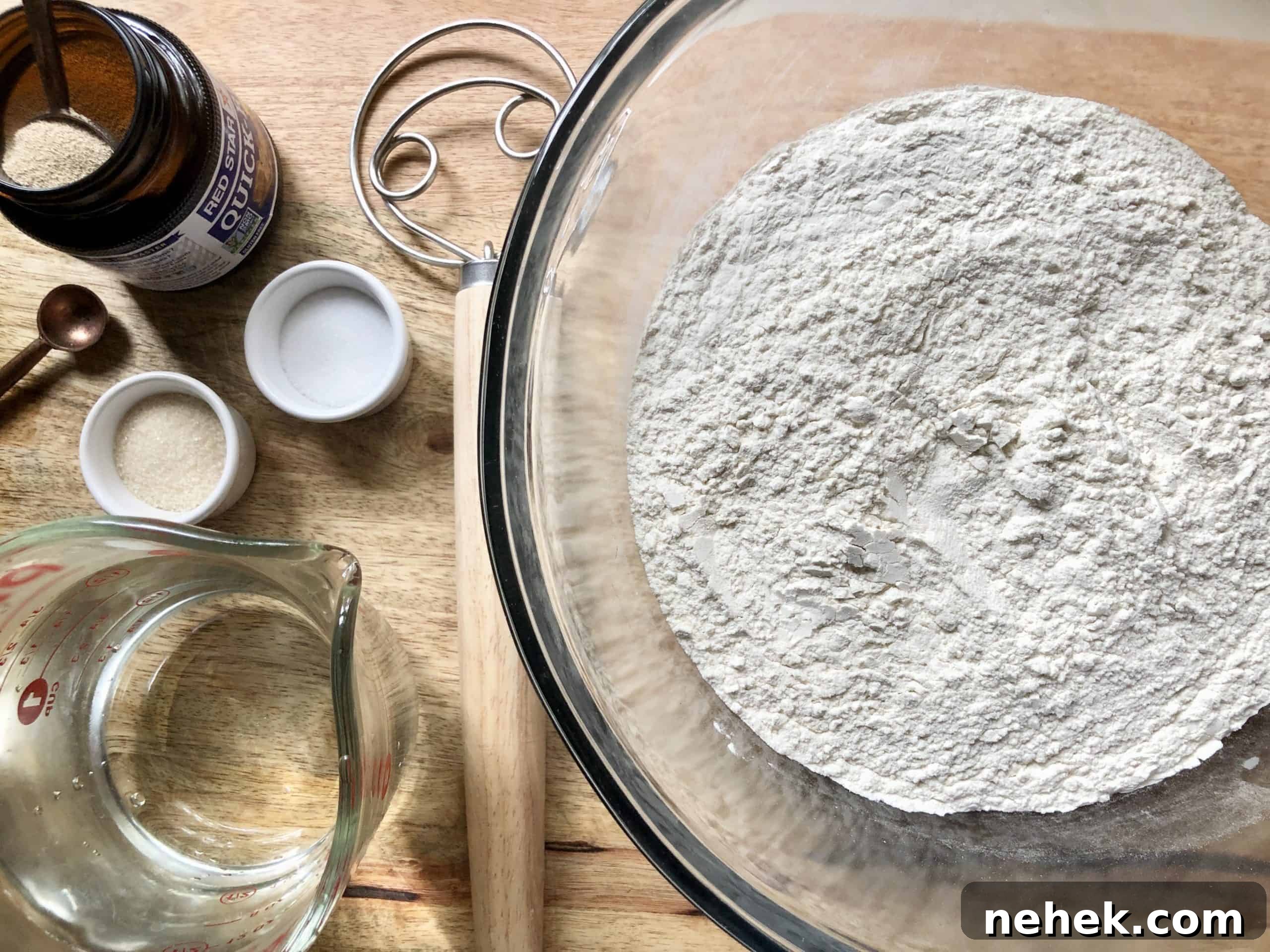
As we move through the steps, the included images show how the dough should look at key stages. This recipe and technique originate with Alexandra Stafford; her original tutorial is a great resource if you want a visual walkthrough.
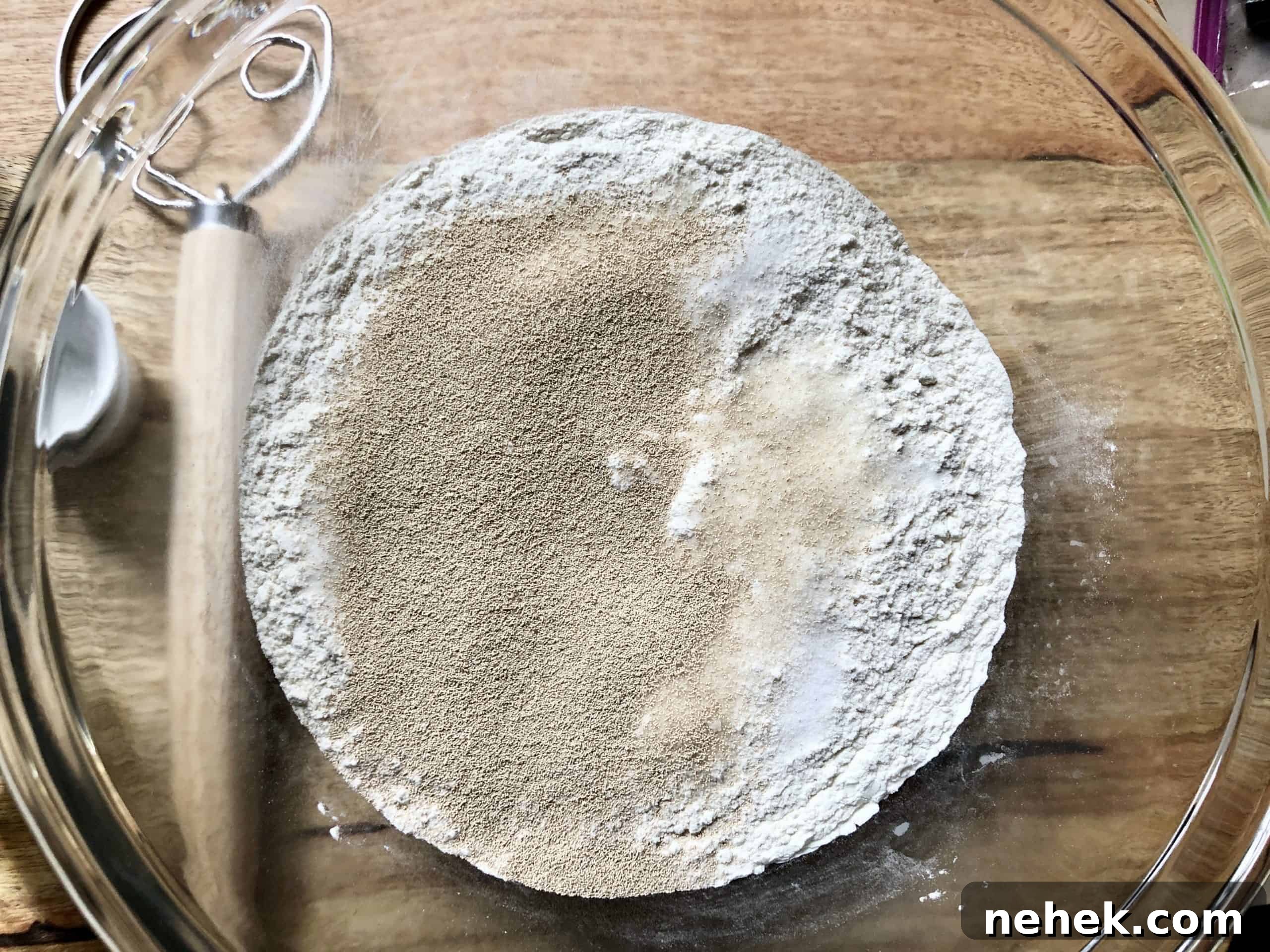
Let’s talk about flour and yeast…
- Measure flour by weight when possible. Using grams on a digital kitchen scale is faster and far more accurate than cups.
- Flour weights vary. Different brands and types of all-purpose flour can weigh more or less per cup. If you find a combination that works, note the exact gram weight for future reference.
- Place your mixing bowl on the scale, tare to zero, and add flour until you reach the required weight.
What is the difference between active dry yeast and instant yeast?
- Both yeasts yield the same result but require slightly different handling.
- Active dry yeast should be dissolved in lukewarm water with a bit of sugar and allowed to proof (foam) before adding to the flour.
- Instant yeast can be mixed directly into the dry ingredients without prior proofing.
- If using active dry yeast for this recipe, follow the extra proofing step in the instructions below.
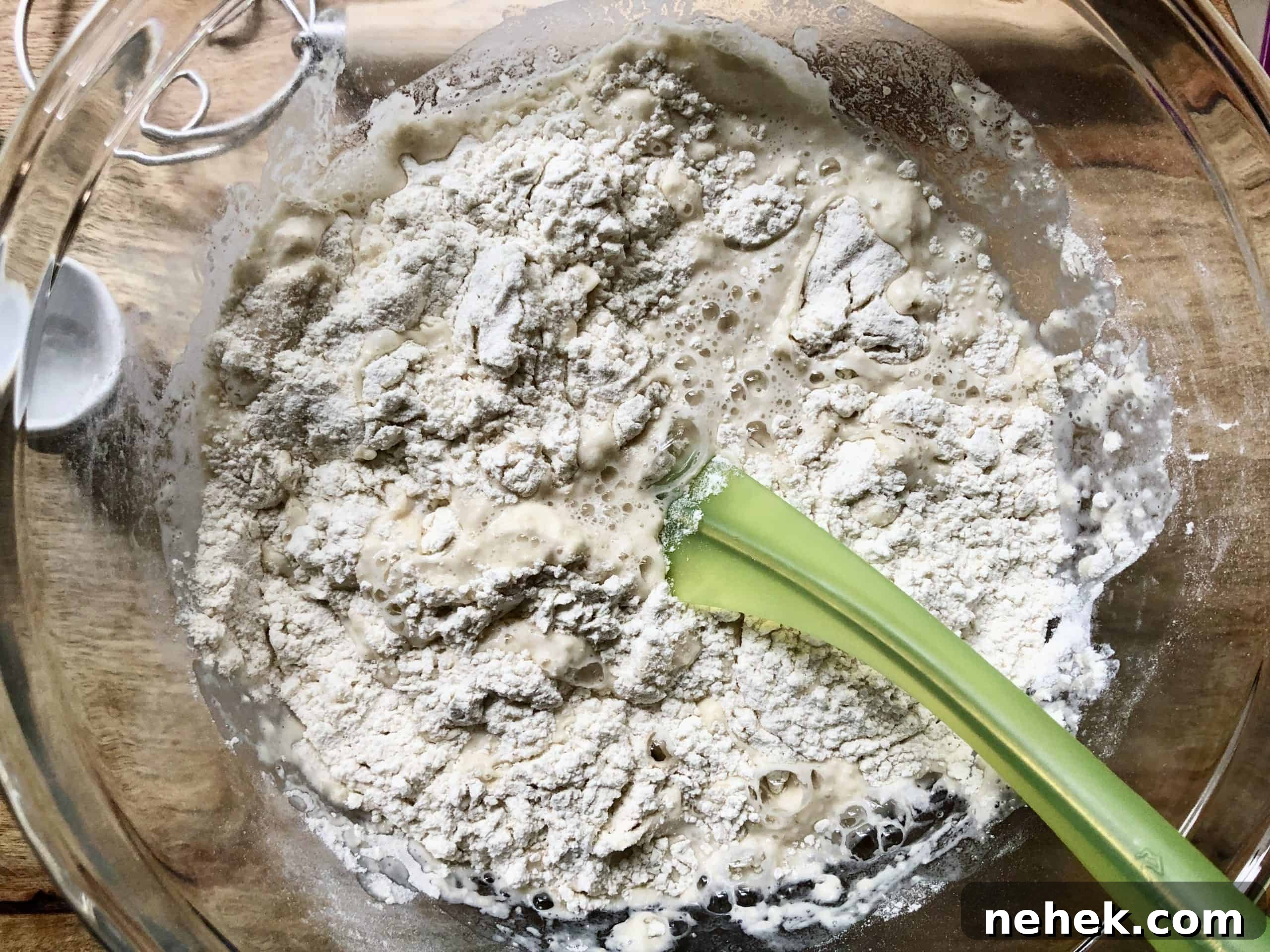
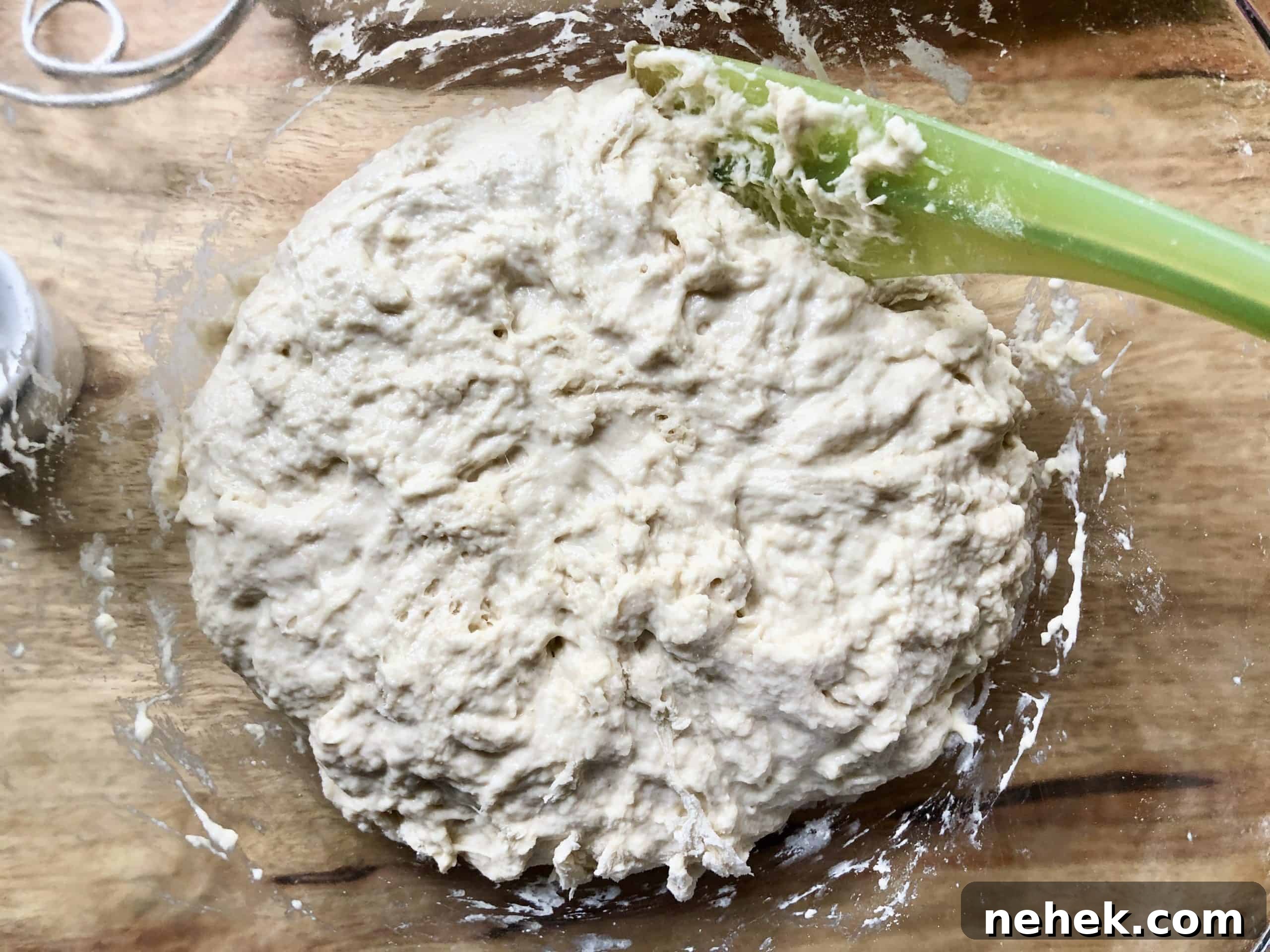
The dough really is mixed by hand in about five minutes. Cover the bowl and let it rest in a warm spot for about an hour until it doubles in size.
You’ll be amazed at how the dough doubles in size, like you see here…
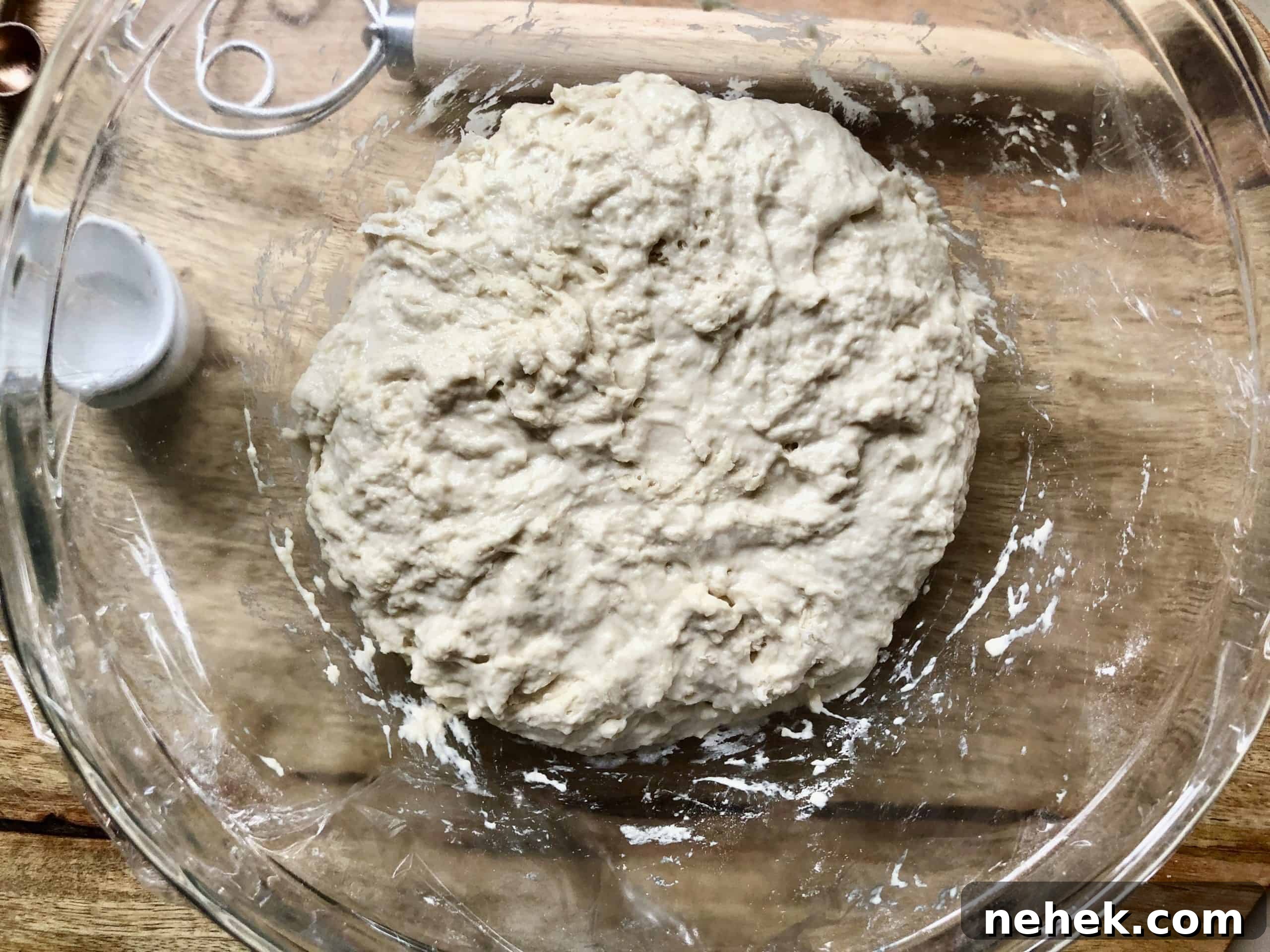
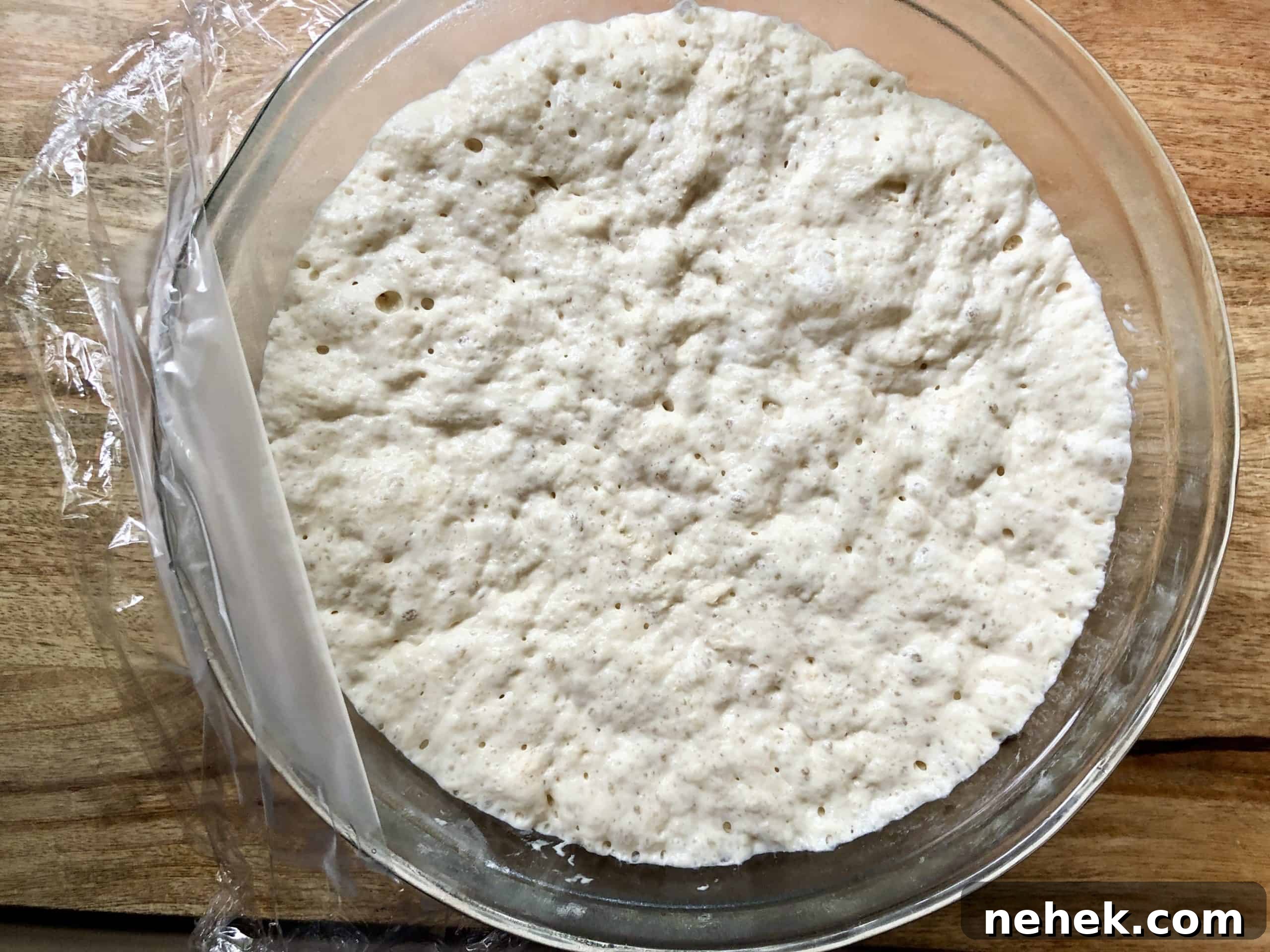
When the dough has doubled, transfer it to buttered, oven-safe bowls. The dough will deflate and be quite sticky—this is normal. Separating the dough into two portions with forks makes handling easier.
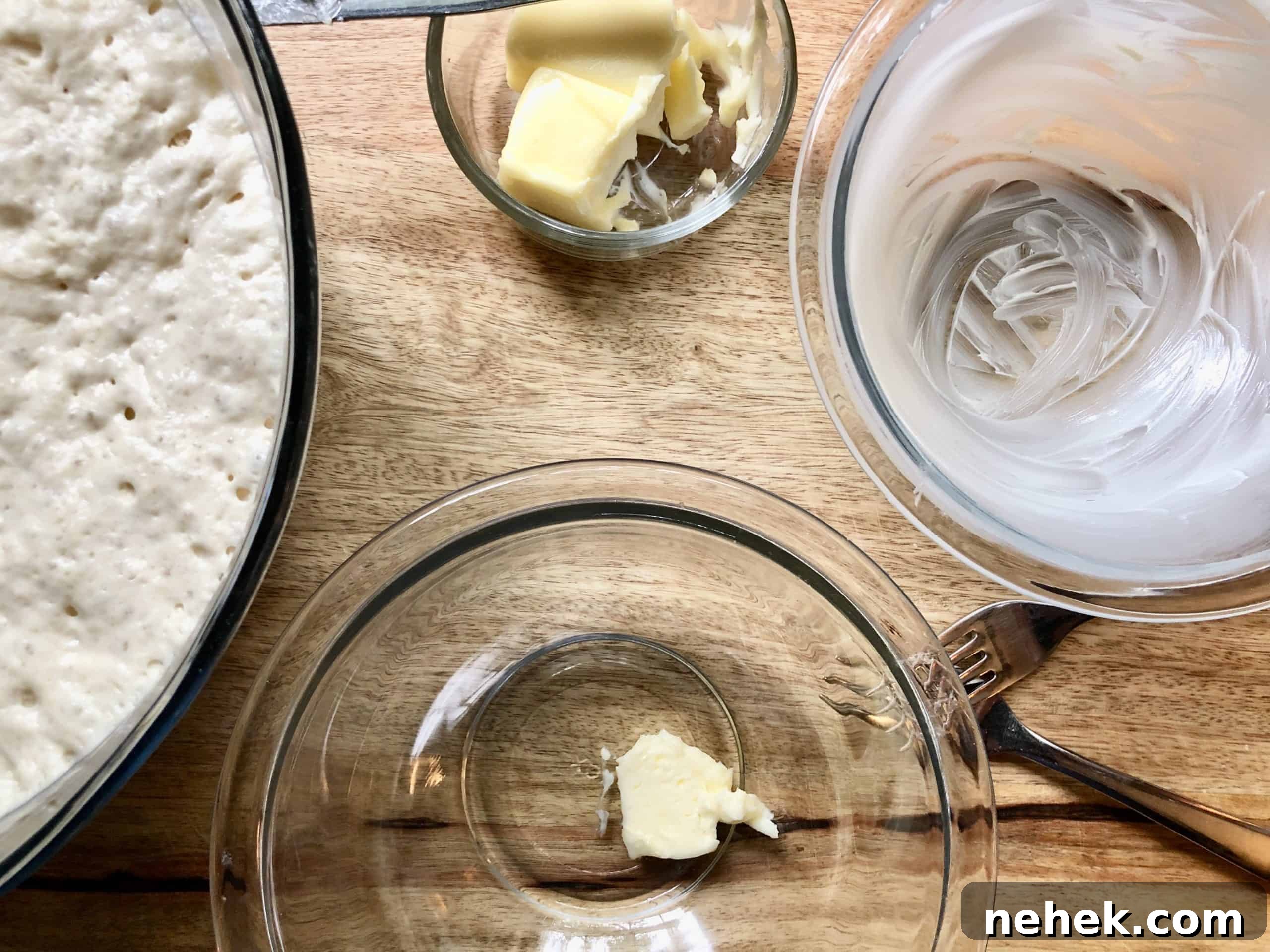
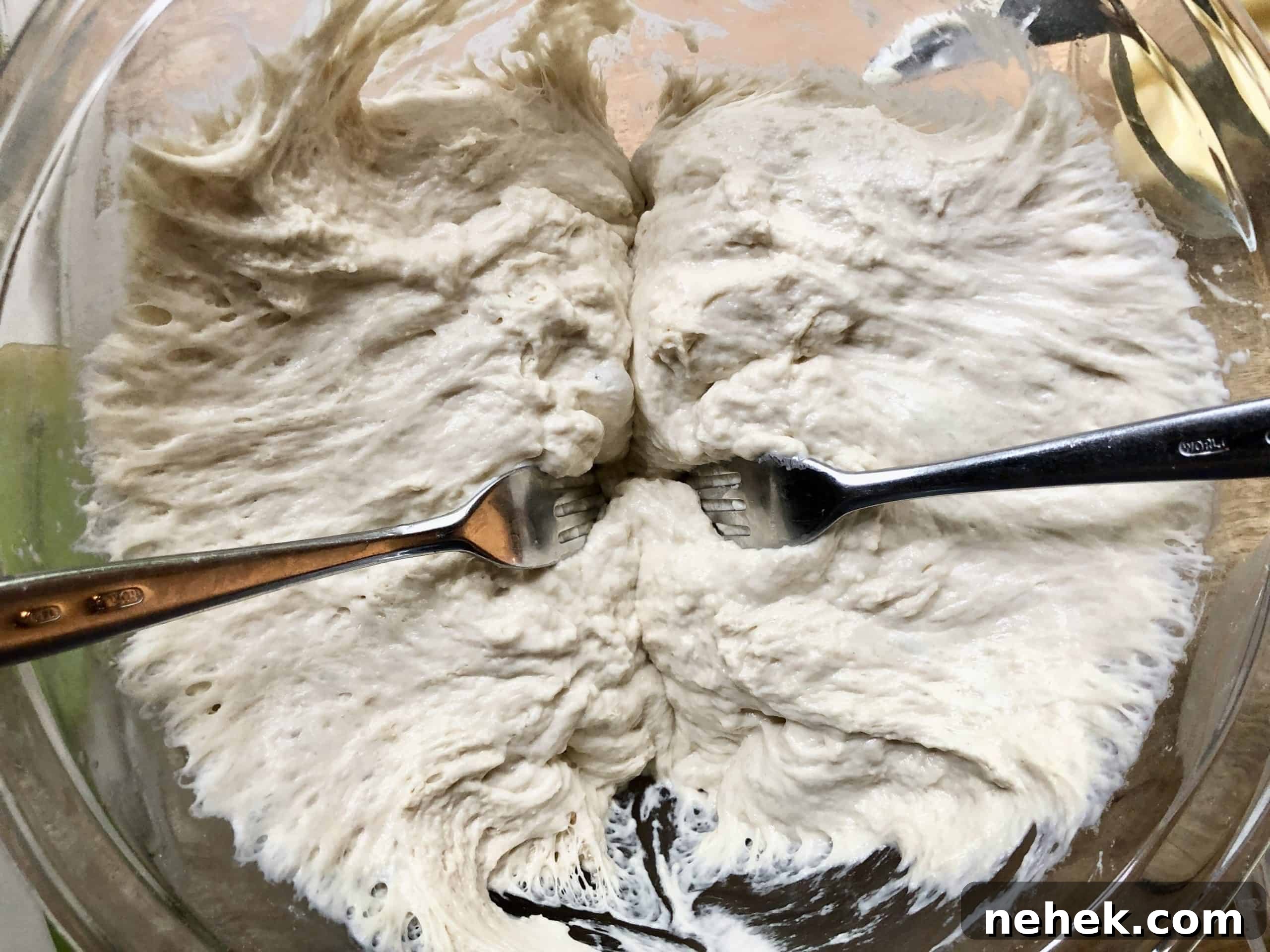
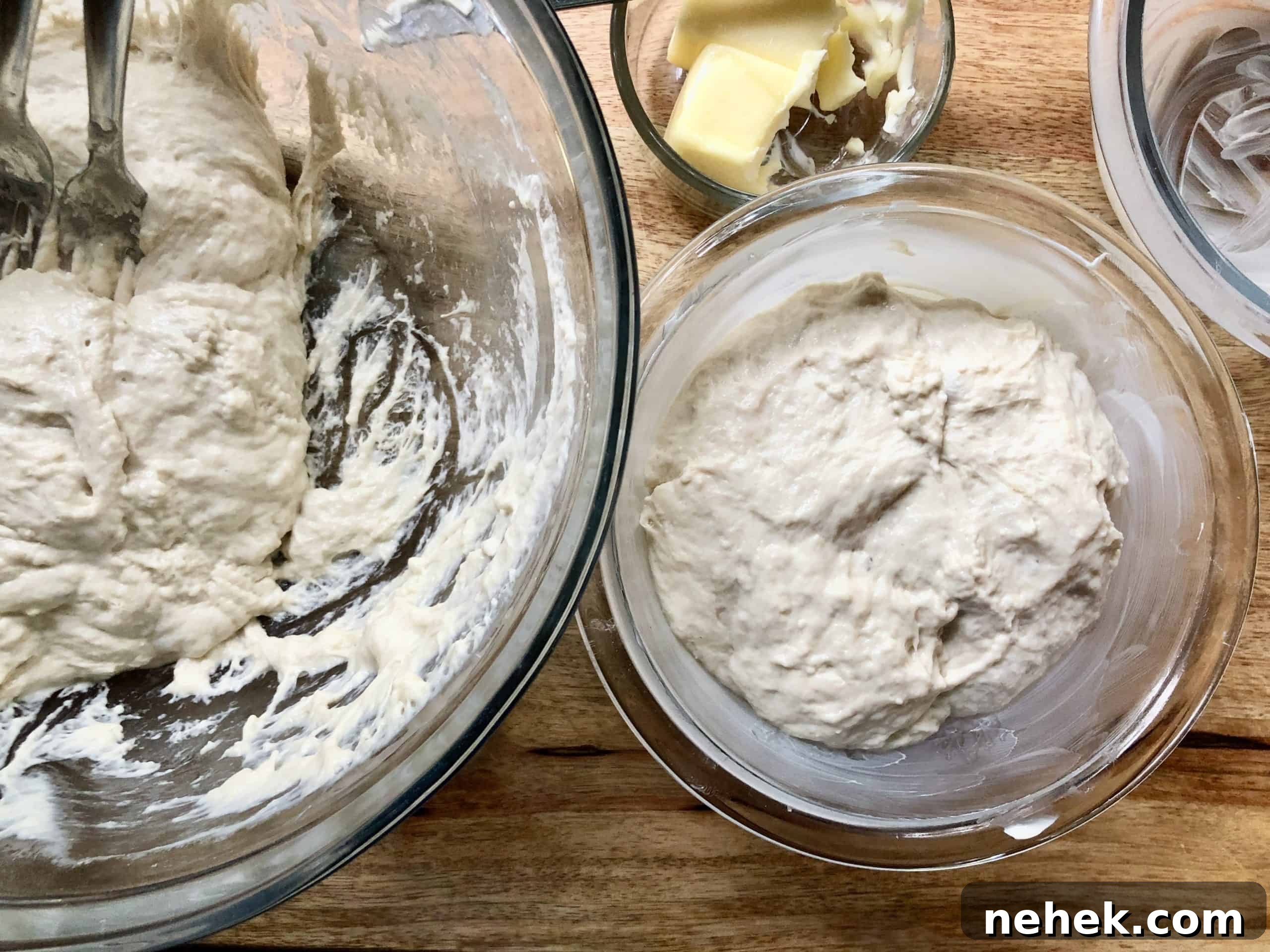
At this point, do your best to estimate that the amount of dough in one bowl is equal to the other.
Or weigh the bowls — if your empty bowls are close in weight, place each one on the scale and transfer dough between them until the portions are even. Even portions help the loaves bake uniformly.
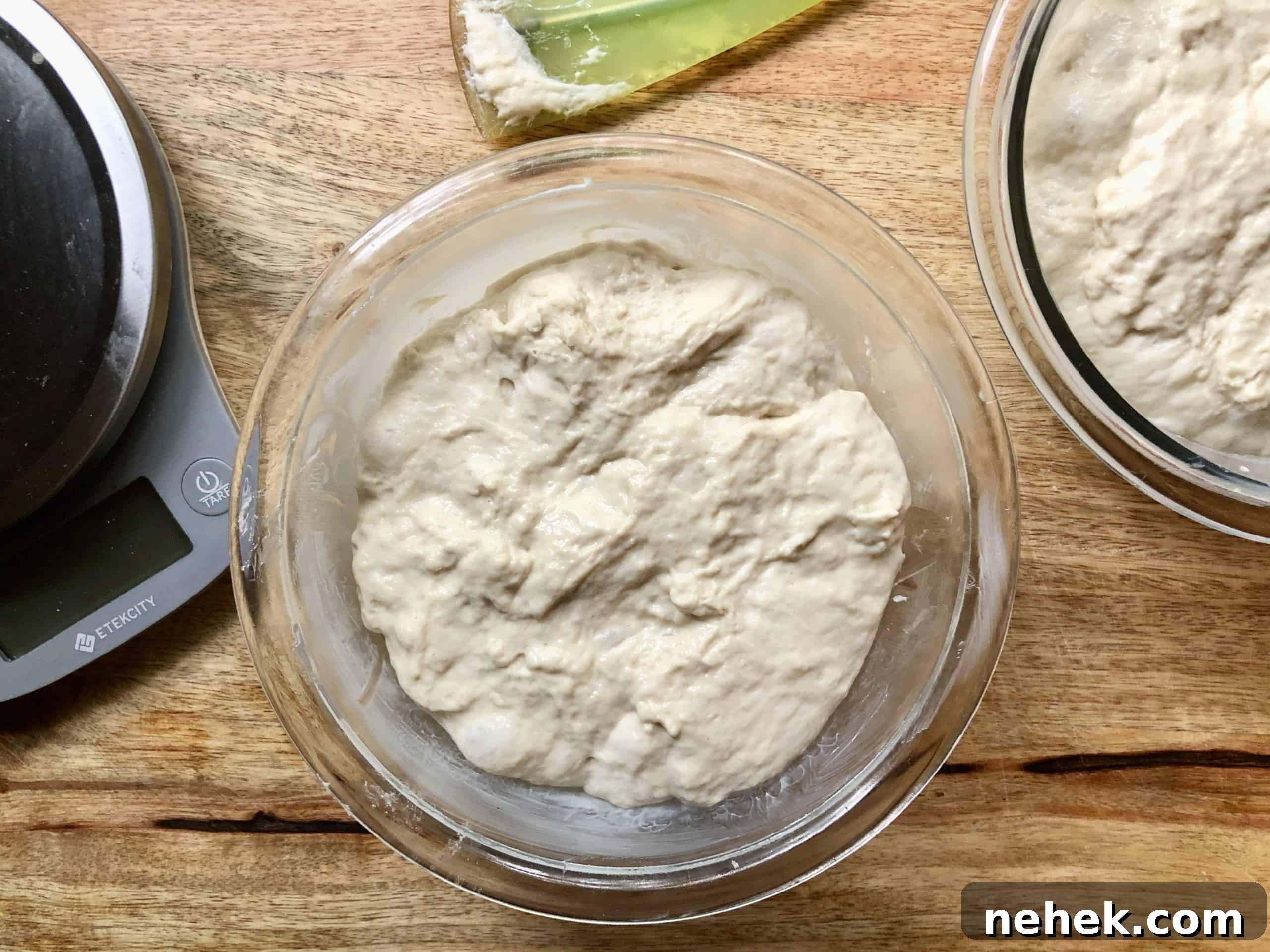
Your Everyday No-Knead Peasant Bread is almost ready for the oven. Almost…
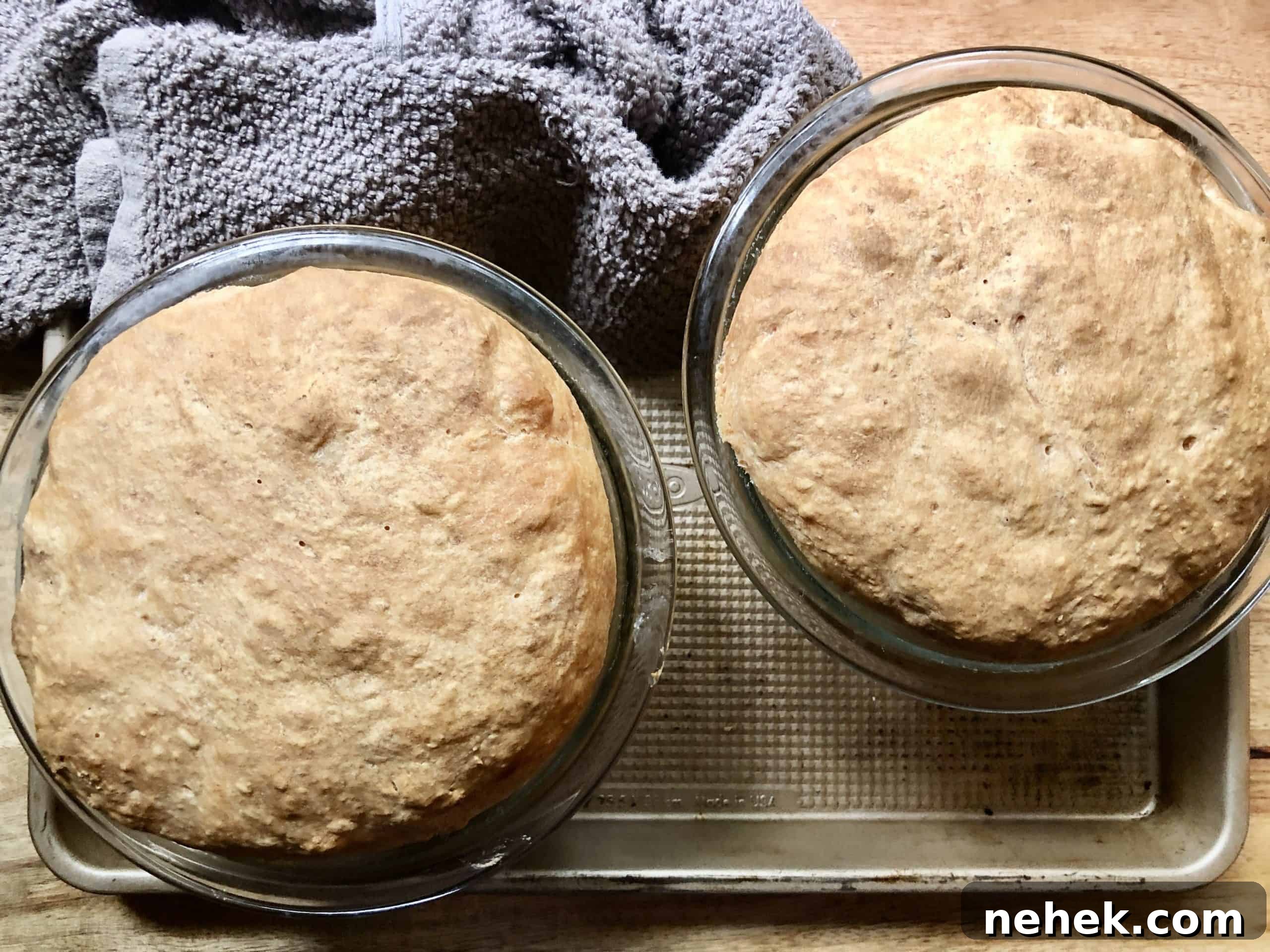
Set the buttered bowls uncovered in a warm, draft-free spot for the second rise, about 20 to 30 minutes, until the dough just crowns the rim of each bowl. Preheat your oven as instructed below and, if you like, place the bowls on a small baking sheet for easier handling.
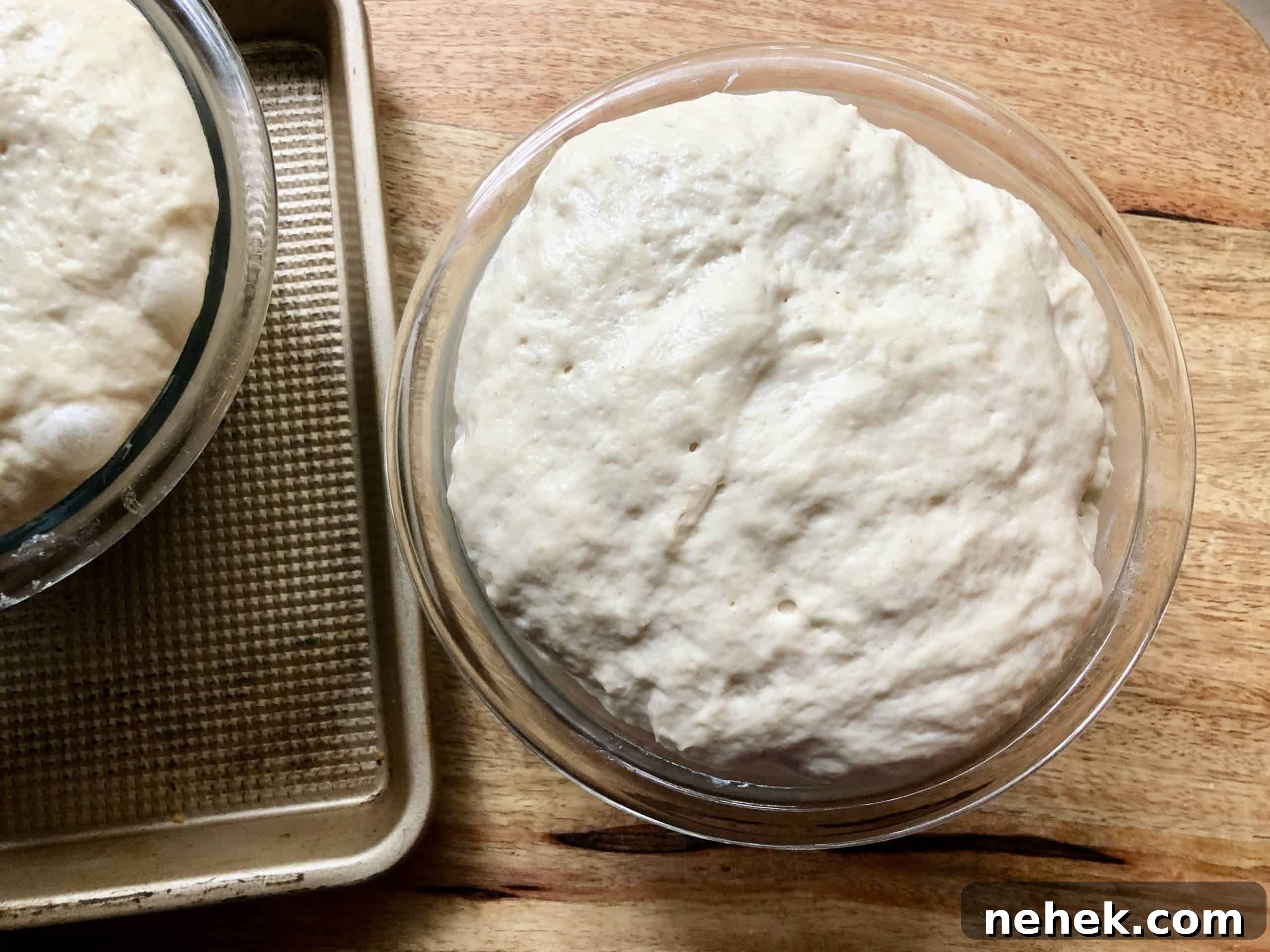
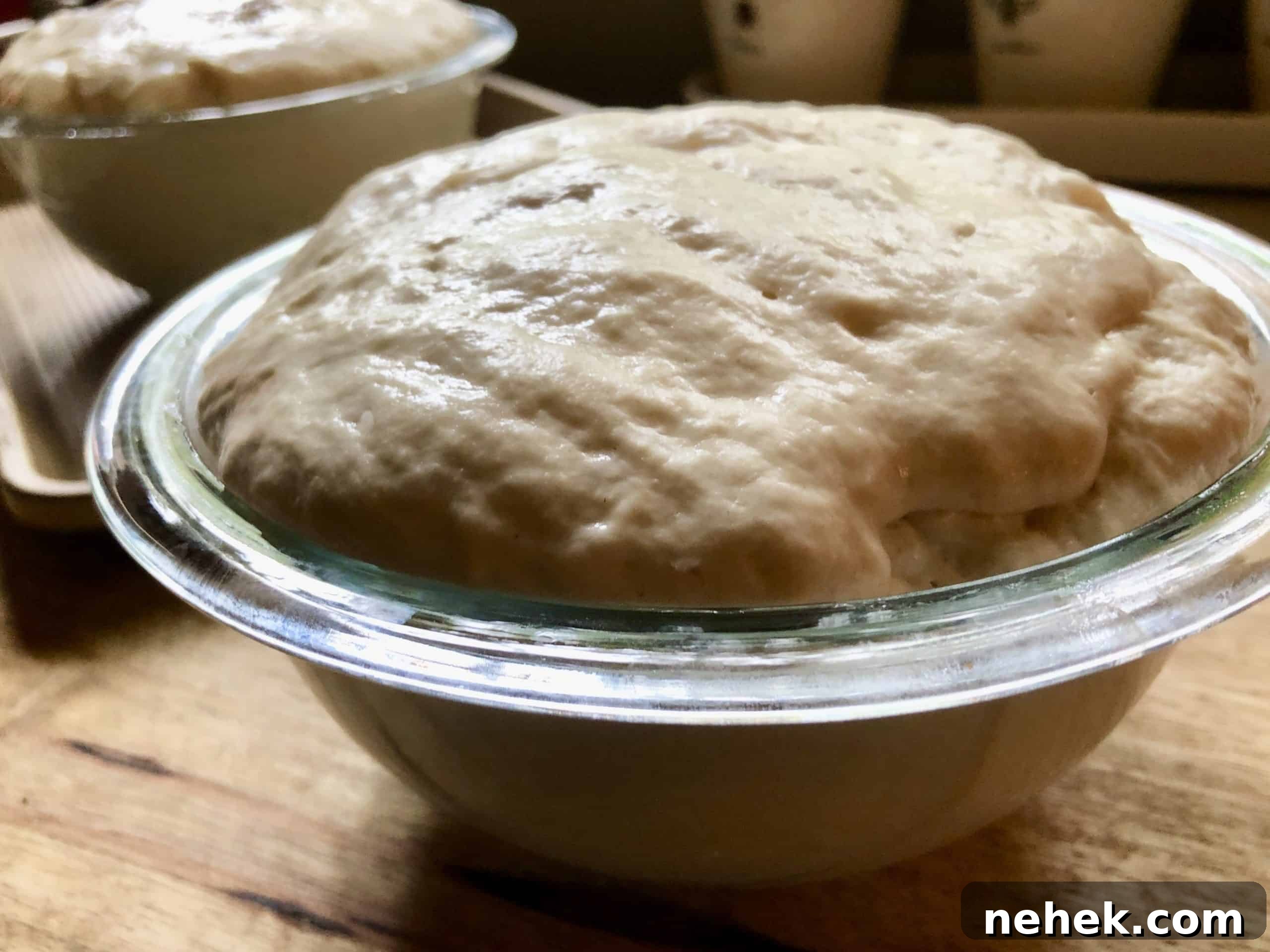
I often prepare the dough first thing in the morning so the kitchen fills with the wonderful smell of fresh bread by late morning. Once you’re comfortable with the process, you’ll likely do the same.
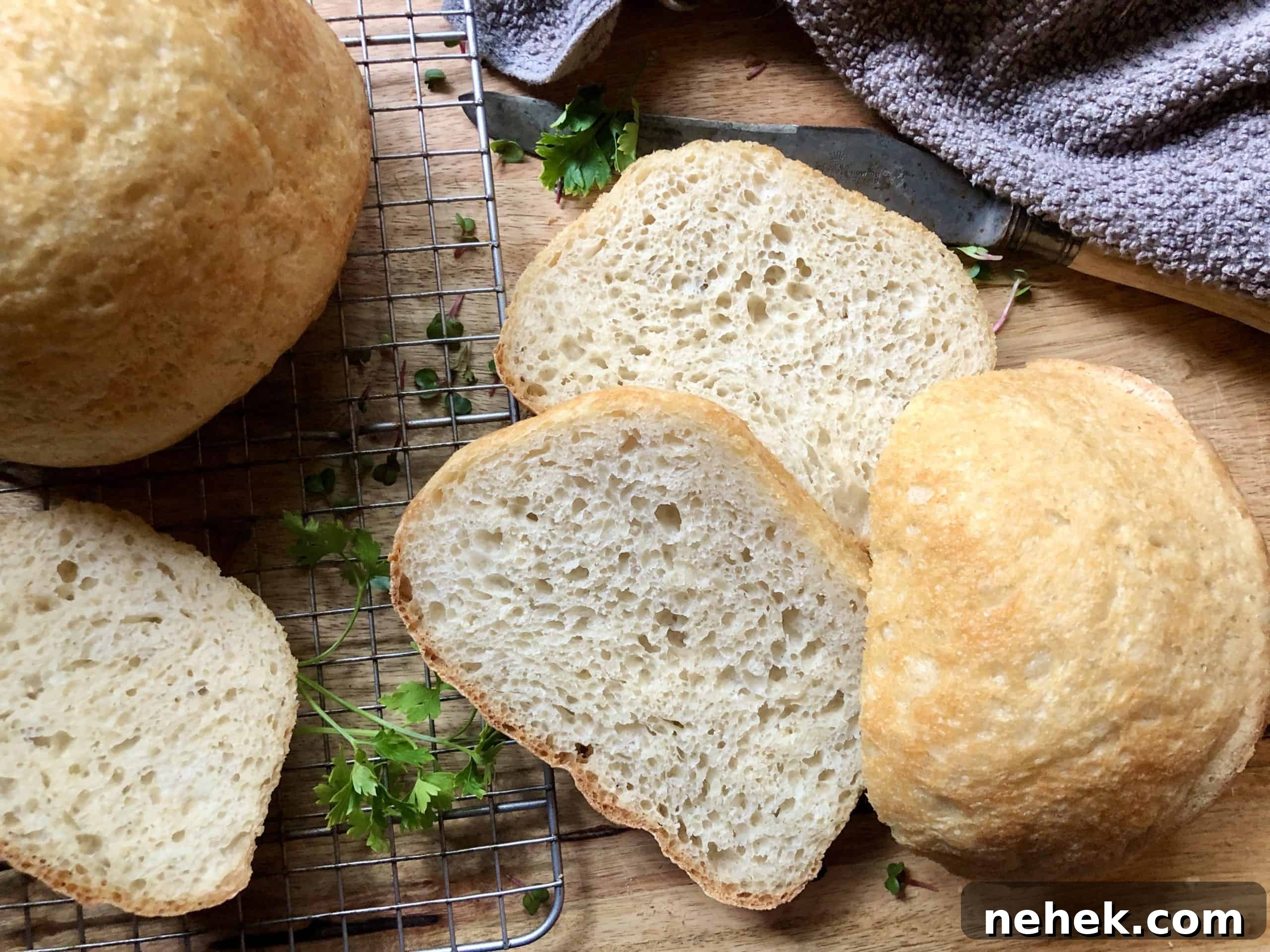
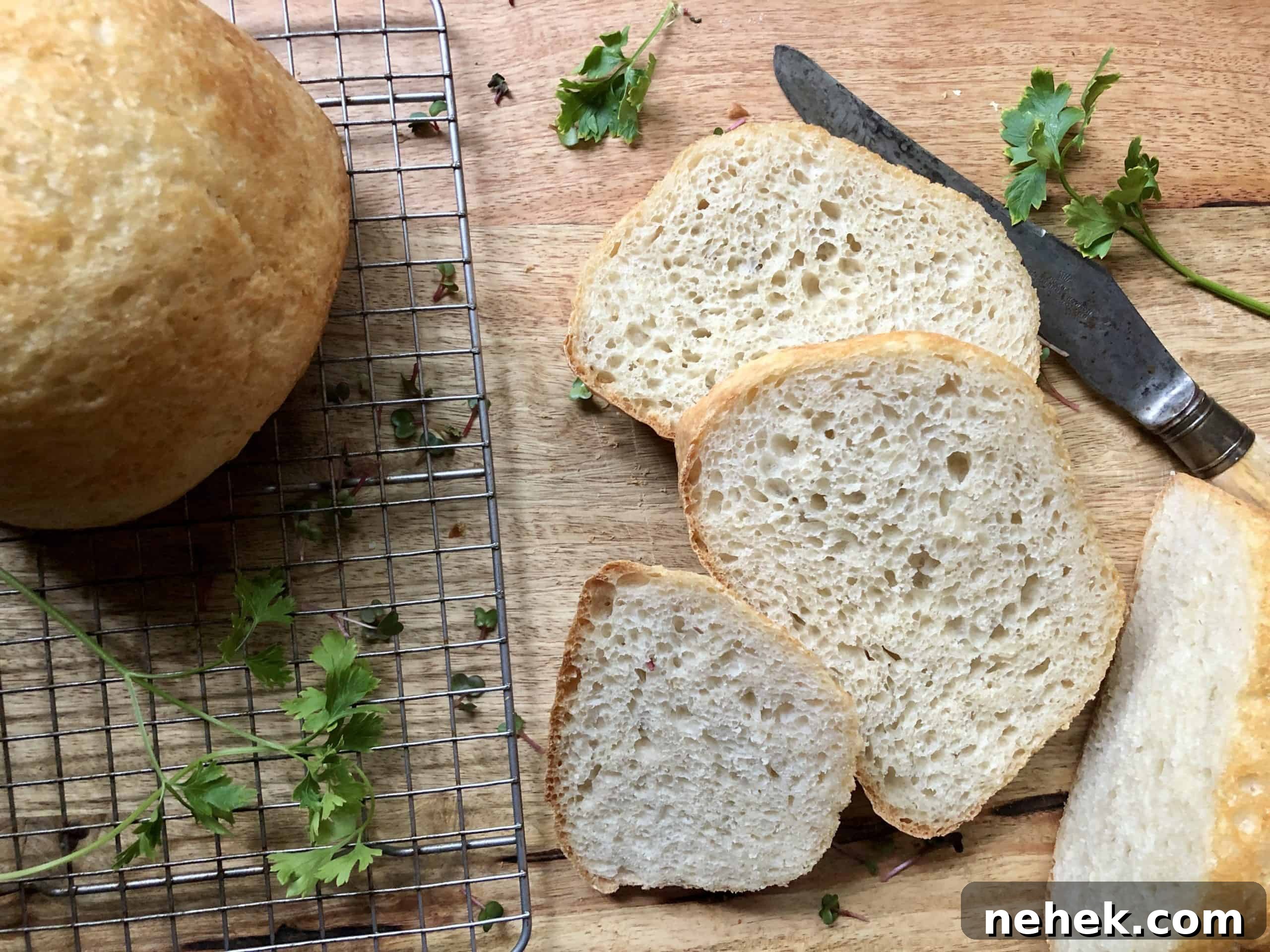
And take a look at what you have to offer the family when they pop in looking for some lunch…
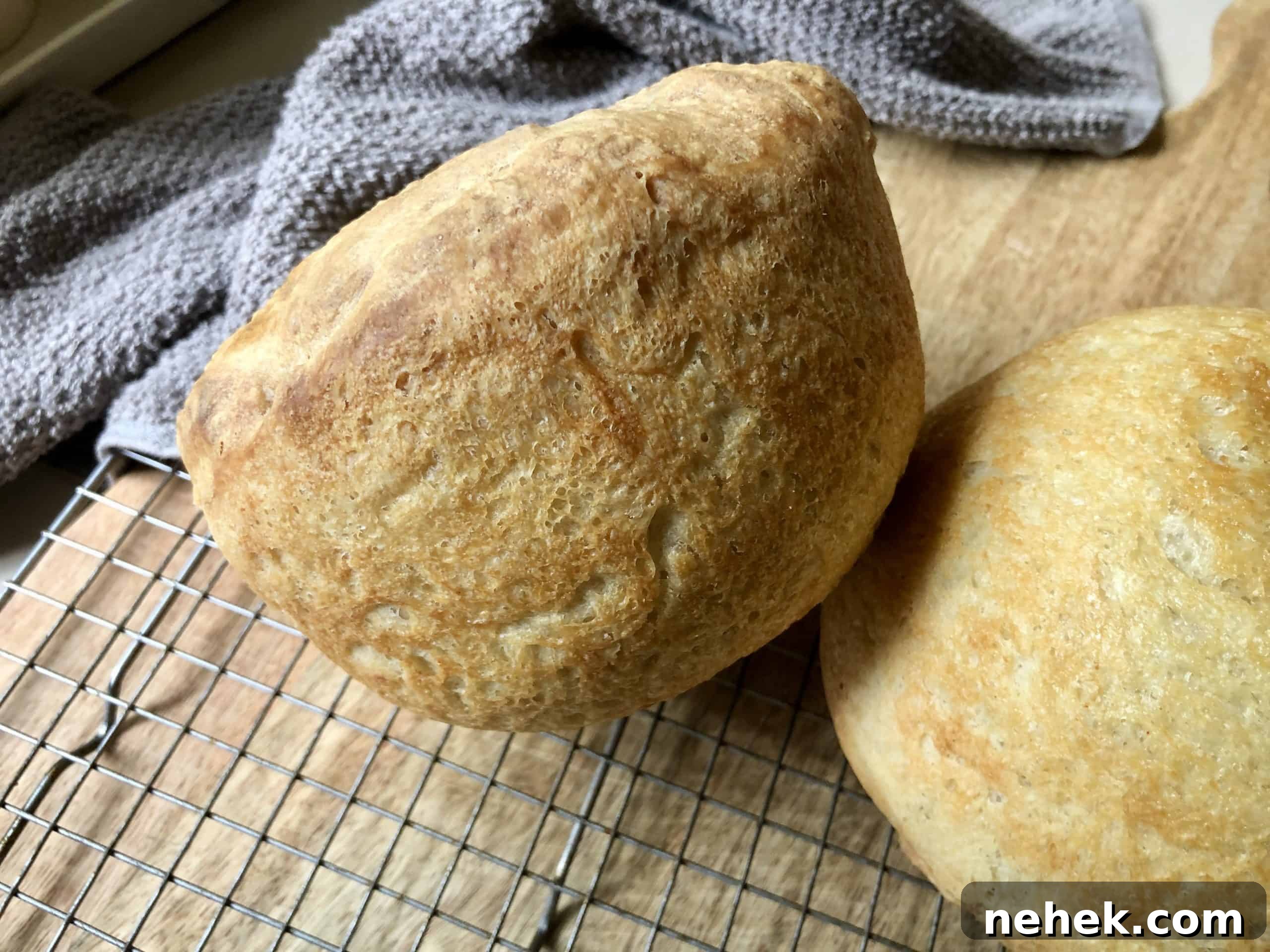
Resist the urge to slice immediately — let the loaves cool for at least 15 minutes on a rack before cutting. The crumb sets as it cools and the texture will be better.
What does the term peasant bread mean?
Peasant bread refers to a rustic style of loaf made with simple ingredients and straightforward techniques — the kind of bread European households baked for daily meals across generations. It’s uncomplicated, practical, and delicious.
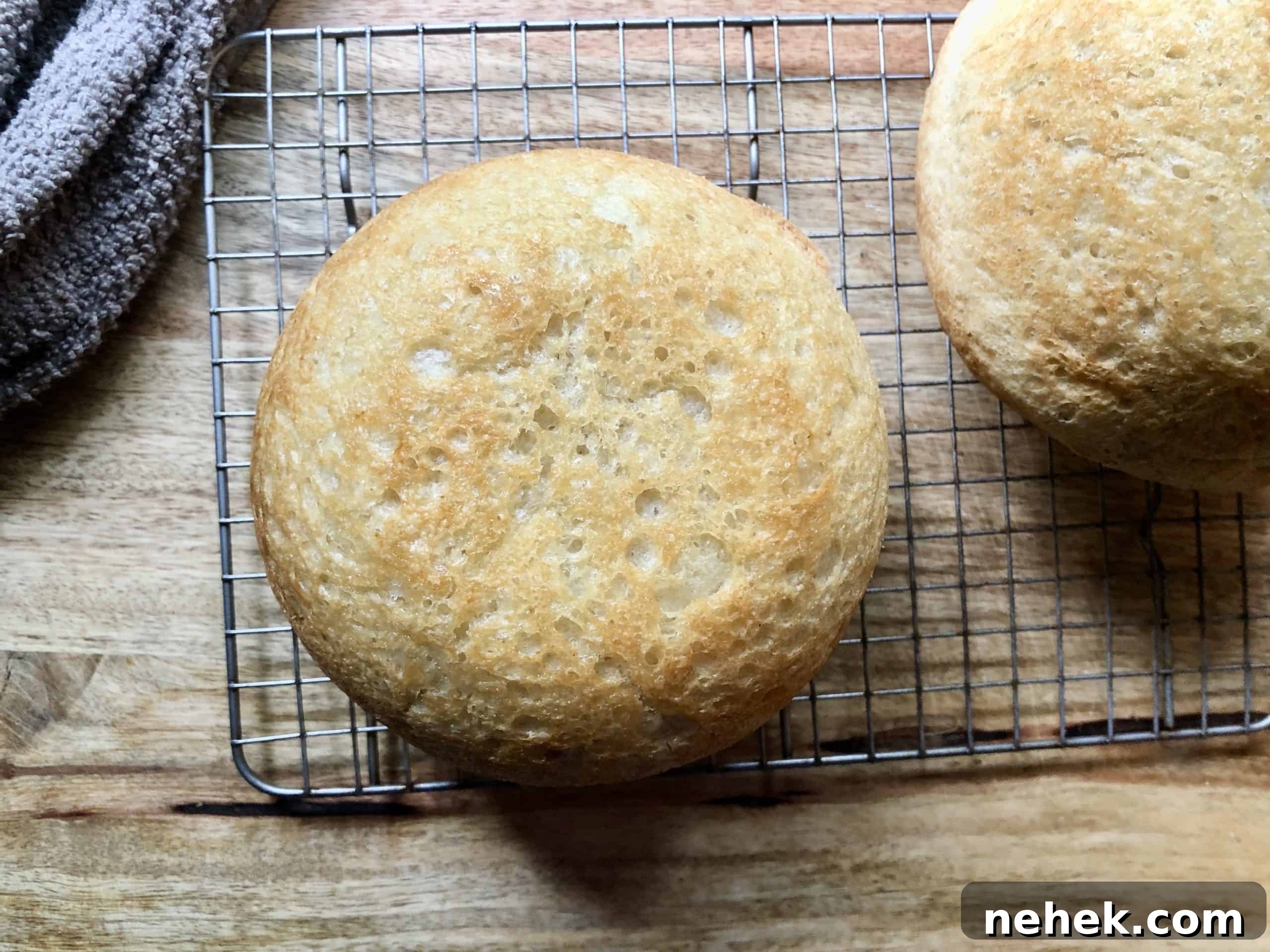
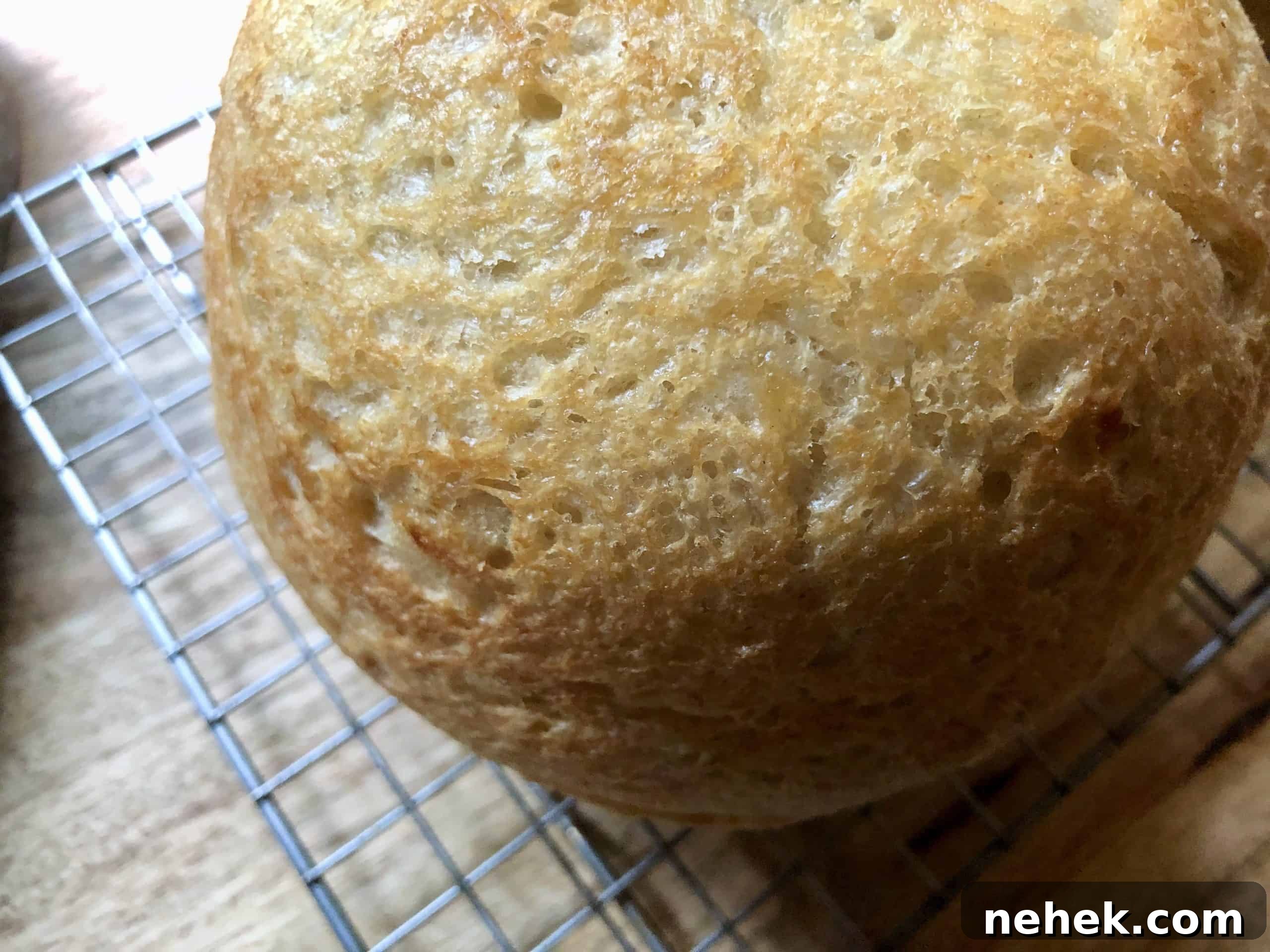
You’ll be so happy to have this Everyday No-Knead Peasant Bread for…
- Grilled cheese sandwiches
- Homemade breadcrumbs
- Crispy homemade croutons
- French toast
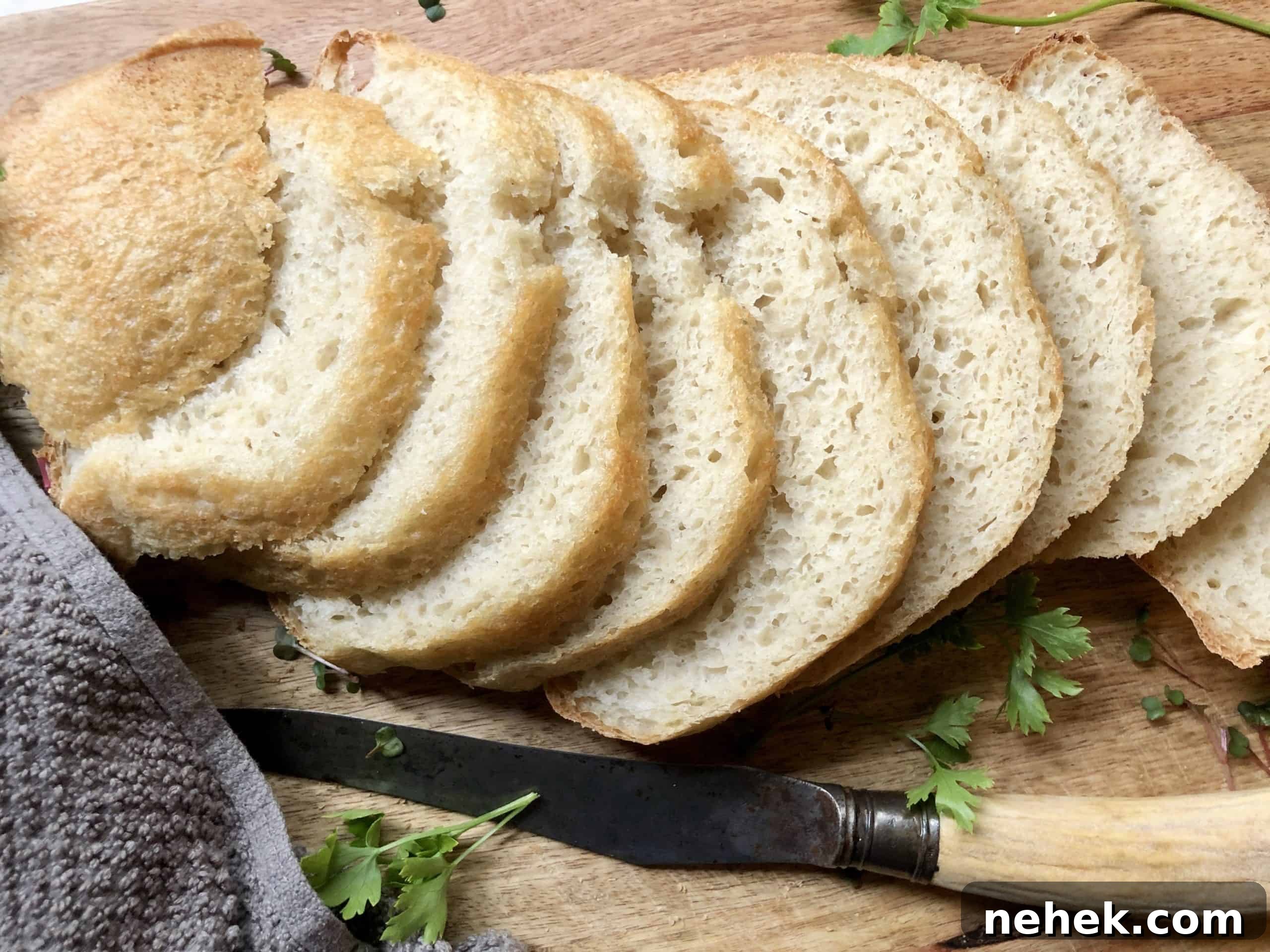
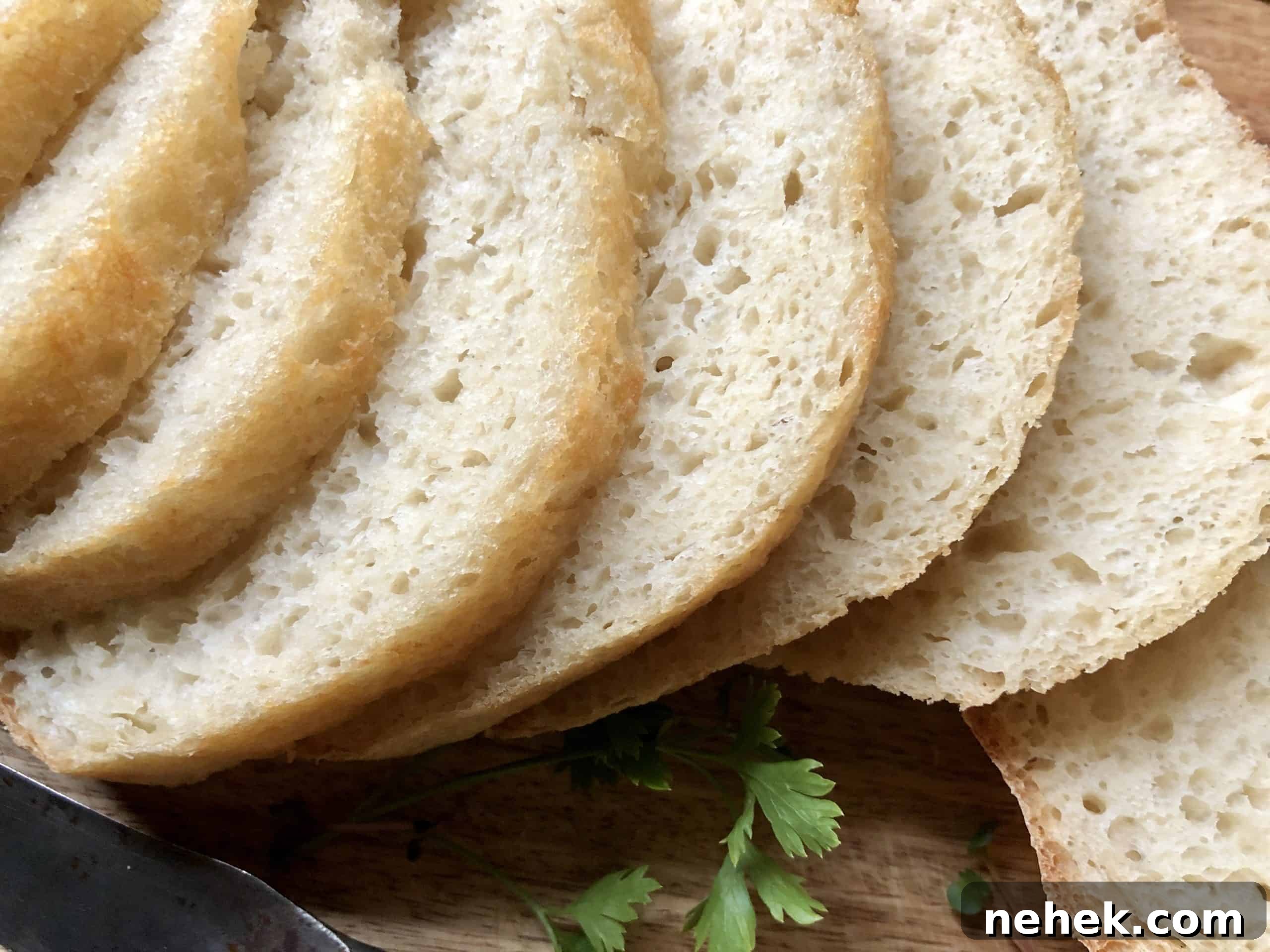
Store the bread in a sealed bag or container at room temperature for a few days. If you won’t use it within that time, slice and freeze the loaf so you can remove just what you need for toast or sandwiches.
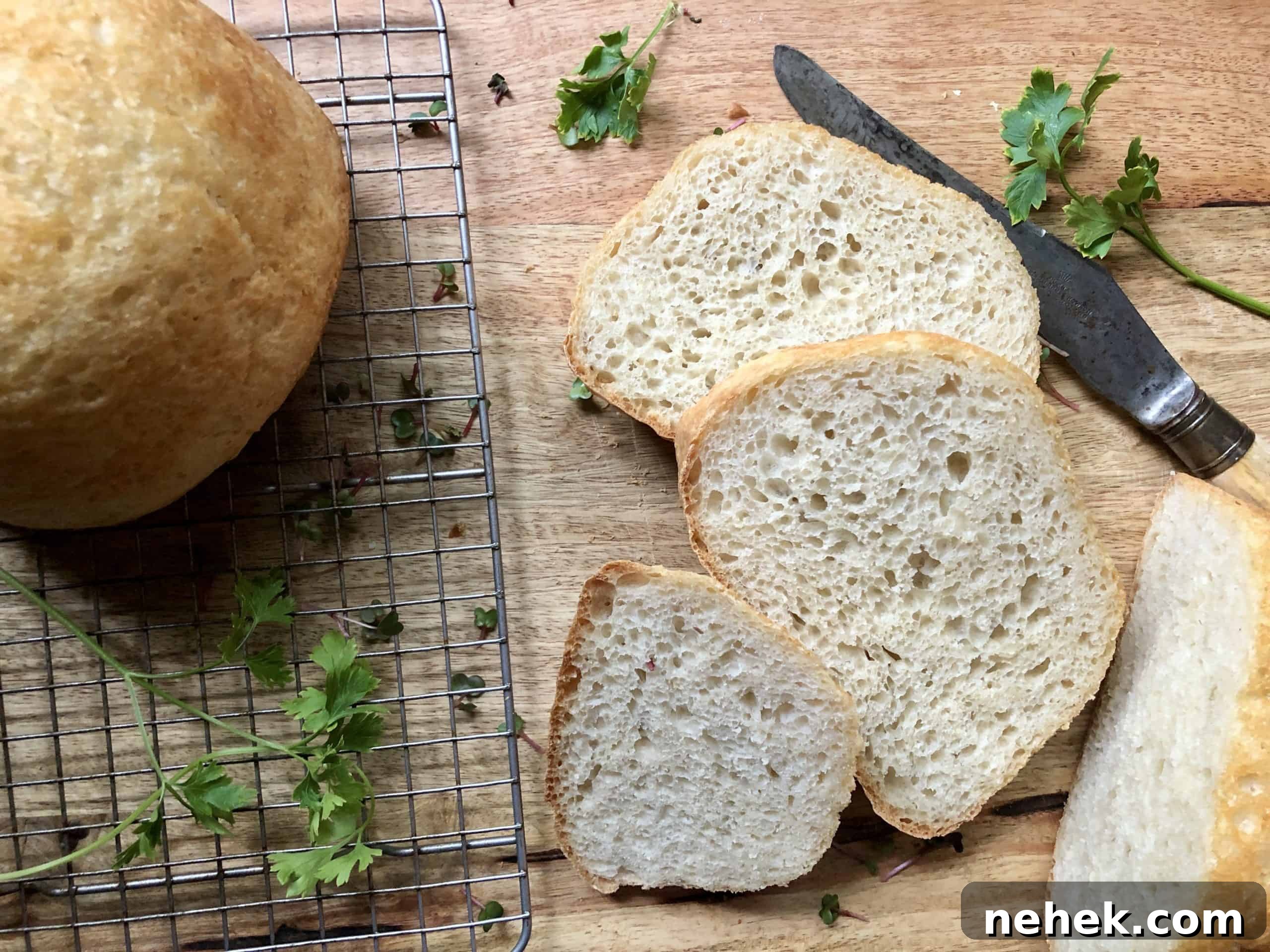
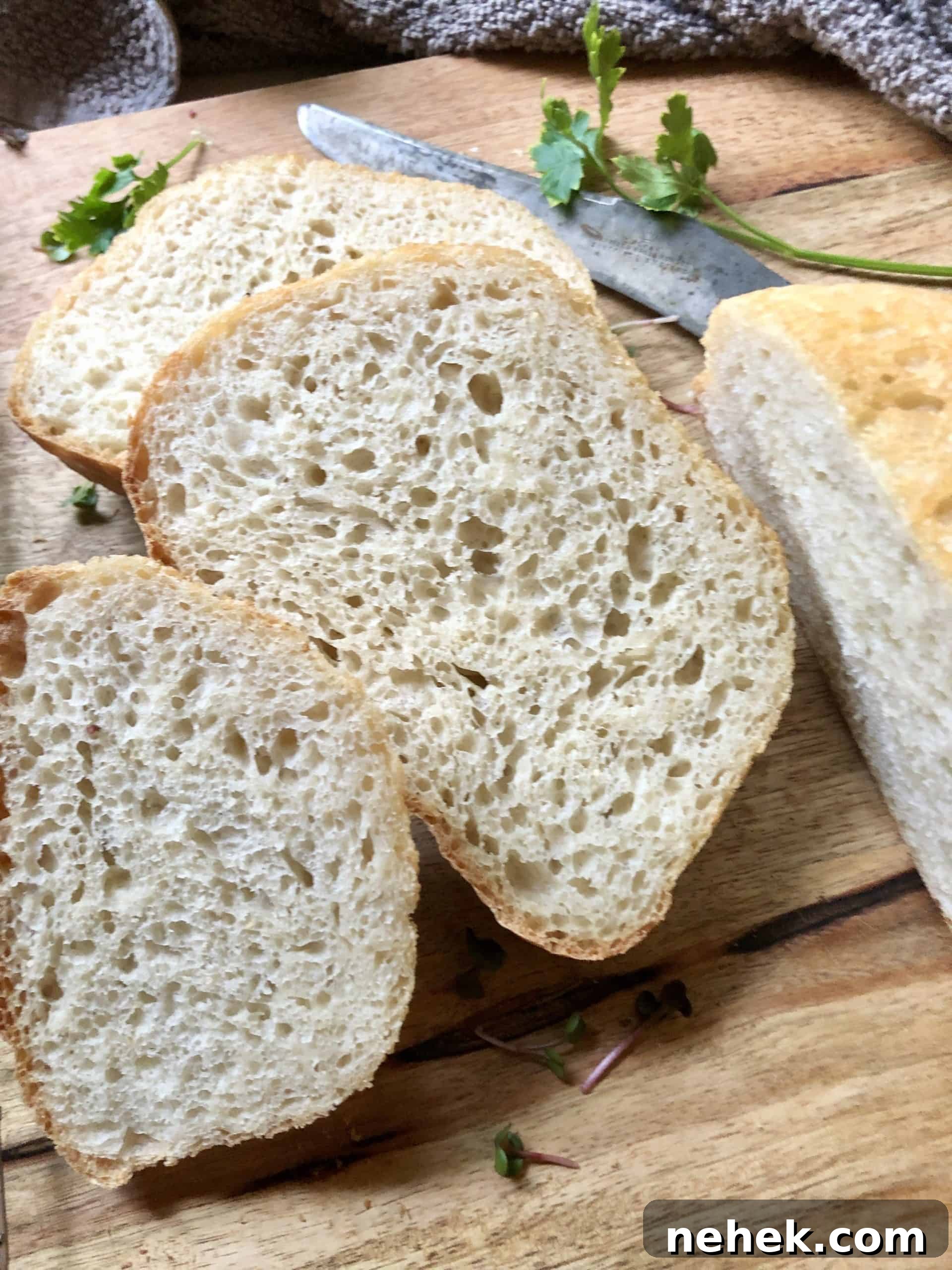
Everyday No-Knead Peasant Bread
Based on a recipe by Alexandra Stafford of Alexandra Cooks
Ready to enjoy in three hours or less.
Ingredients
-
4
cups
unbleached all-purpose flour
(512 grams) -
2
teaspoons
kosher salt
(10 grams) -
2
teaspoons
granulated sugar
(8 grams) -
2 1/4
teaspoons
instant yeast or active-dry yeast
(9 grams) -
2
cups
lukewarm water
(454 grams) - softened unsalted butter, for greasing bowls
Instructions
-
Mixing the dough if using instant yeast: In a large bowl, whisk together the flour, salt, sugar, and instant yeast. Add the water and mix with a rubber spatula until absorbed and a sticky ball forms.
-
Mixing the dough if using active-dry yeast: Dissolve the sugar in the lukewarm water in a small bowl. Sprinkle the yeast over the surface and let stand 10–15 minutes until foamy. Meanwhile, whisk the flour and salt in a large bowl. When the yeast mixture is foamy, stir it and add it to the flour. Mix with a rubber spatula until the liquid is absorbed and a sticky ball forms.
-
First rise: Cover the bowl with a tea towel or plastic wrap and let rise in a warm spot for 1 to 1½ hours, until doubled in bulk.
-
Prepare to bake: Set a rack in the middle of the oven and preheat to 425°F (218°C). Generously grease two 1-quart oven-safe bowls with softened butter. Using two forks, deflate the dough and shape it into a rough ball, turning the bowl as you go. Separate the dough into two equal portions with the forks and lift each into a prepared bowl. Do not cover. Let rise 20–30 minutes near the oven until the dough just crowns the rim of each bowl.
-
Bake: Bake at 425°F for 15 minutes. Reduce oven temperature to 375°F (190°C) and bake 15–17 minutes more, until evenly golden. Remove from the oven, turn the loaves out onto cooling racks, and cool for 15 minutes before slicing.
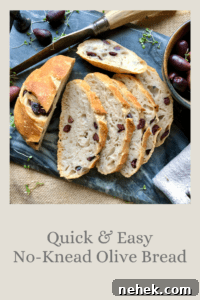
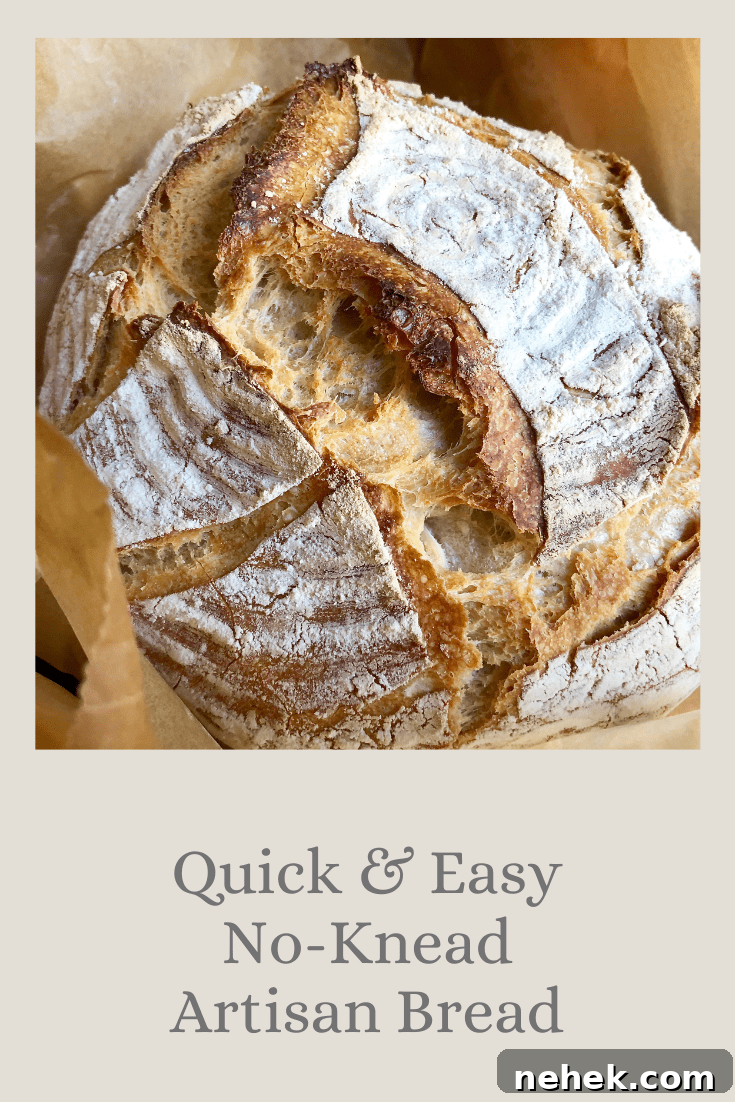
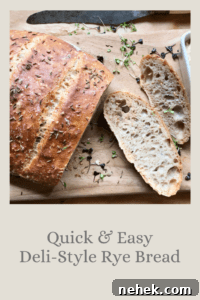
More no-knead breads for you…