 Spring is one of my favorite seasons, especially because it means planting our patio garden. We’ve tended a patio garden for 12 years and it continues to be an inspiring, rewarding experience. I love watching tiny seedlings from a local nursery grow into productive beds of greens and fragrant herbs. There’s nothing better than walking into the backyard to pick fresh lettuce for a salad, Swiss chard for a quesadilla, or herbs to brighten a dressing or sauce. It’s a powerful feeling to grow your own food — the flavor and freshness are unmatched.
Over the past few years I’ve shared snippets of our gardening journey on Instagram Stories. After countless requests for details, I’m finally writing down our process and best tips here. If you’ve been thinking about starting a patio garden, join us — it’s easier than you might think and incredibly satisfying.
Background
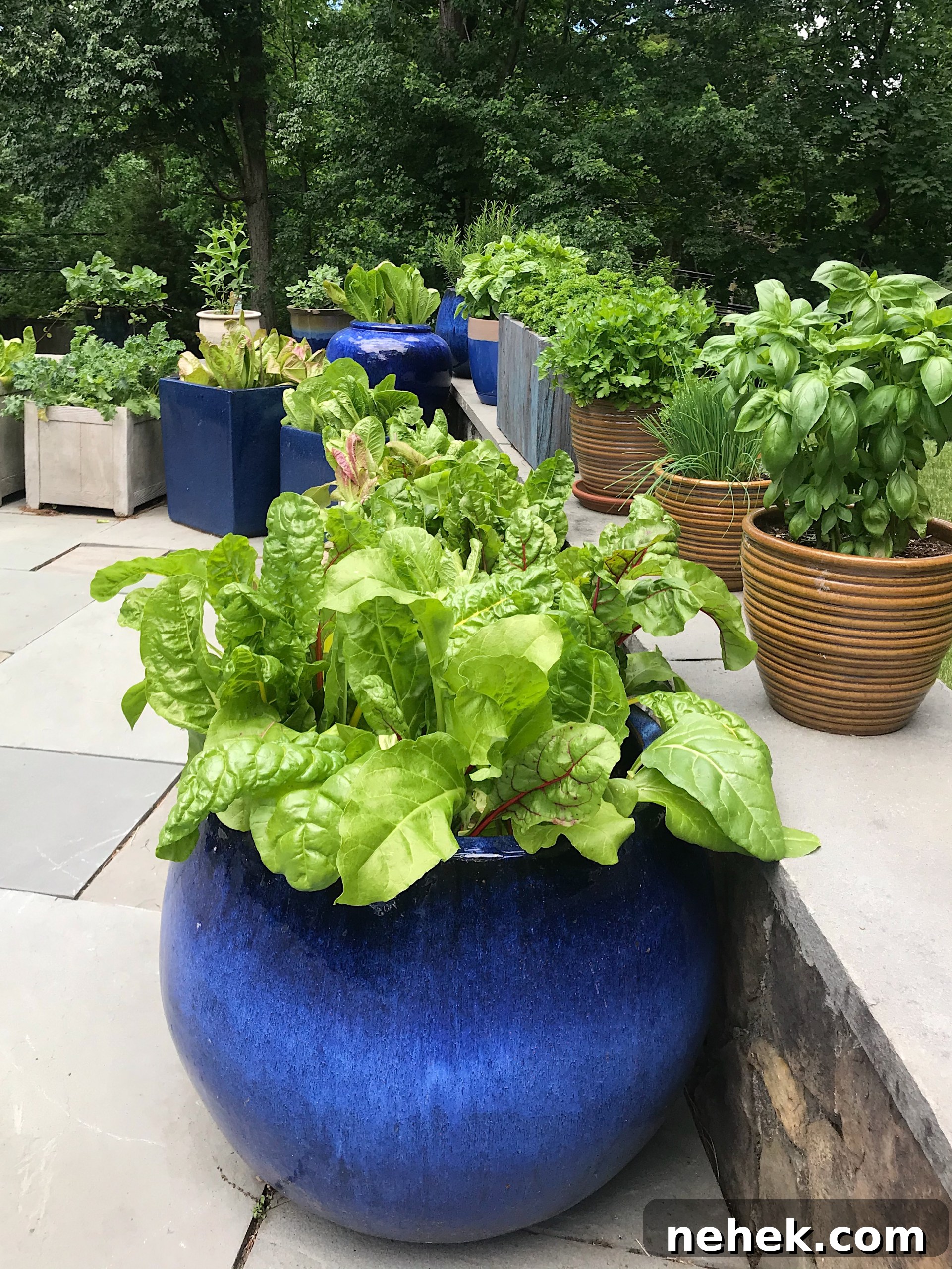
My husband and I have been growing vegetables and herbs in patio pots for over a decade. It began modestly and expanded year by year as we learned what thrives in our space and what our family eats most. Gardening runs in both our families: my great-grandfather, grandmother and mother all planted gardens, while my husband’s family ran a greenhouse. Our boys loved visiting their grandmother’s garden, so we wanted them to experience planting, watching things grow and harvesting fresh vegetables.
When we moved to the suburbs 12 years ago, we didn’t have a designated garden spot and worried about animals. Raised beds with fencing are more common now, but back then we chose a simple option: pots on a patio ledge. From that small beginning, our collection of clay and plastic pots has grown, along with the variety of plants — lettuce, kale, Swiss chard, various tomatoes, cucumbers, eggplant and many herbs. Below are the lessons we’ve learned and the tips that have worked best for our patio garden.
Caveats
- We live in Connecticut, so timing and specific varieties reflect Northeast conditions. Check your gardening zone for local guidance.
- Our experience is with container (patio) gardening. Many tips translate to in-ground or raised beds, but those have additional considerations.
Let’s make this an interactive and ongoing post
I aim to make this a living guide that I’ll update as the season progresses. I’ll start with general tips, then outline what you should be doing now if you want a garden this year. Ask questions in the comments and I’ll answer them as we go.
Tips for Growing a Patio Garden
1. Start small
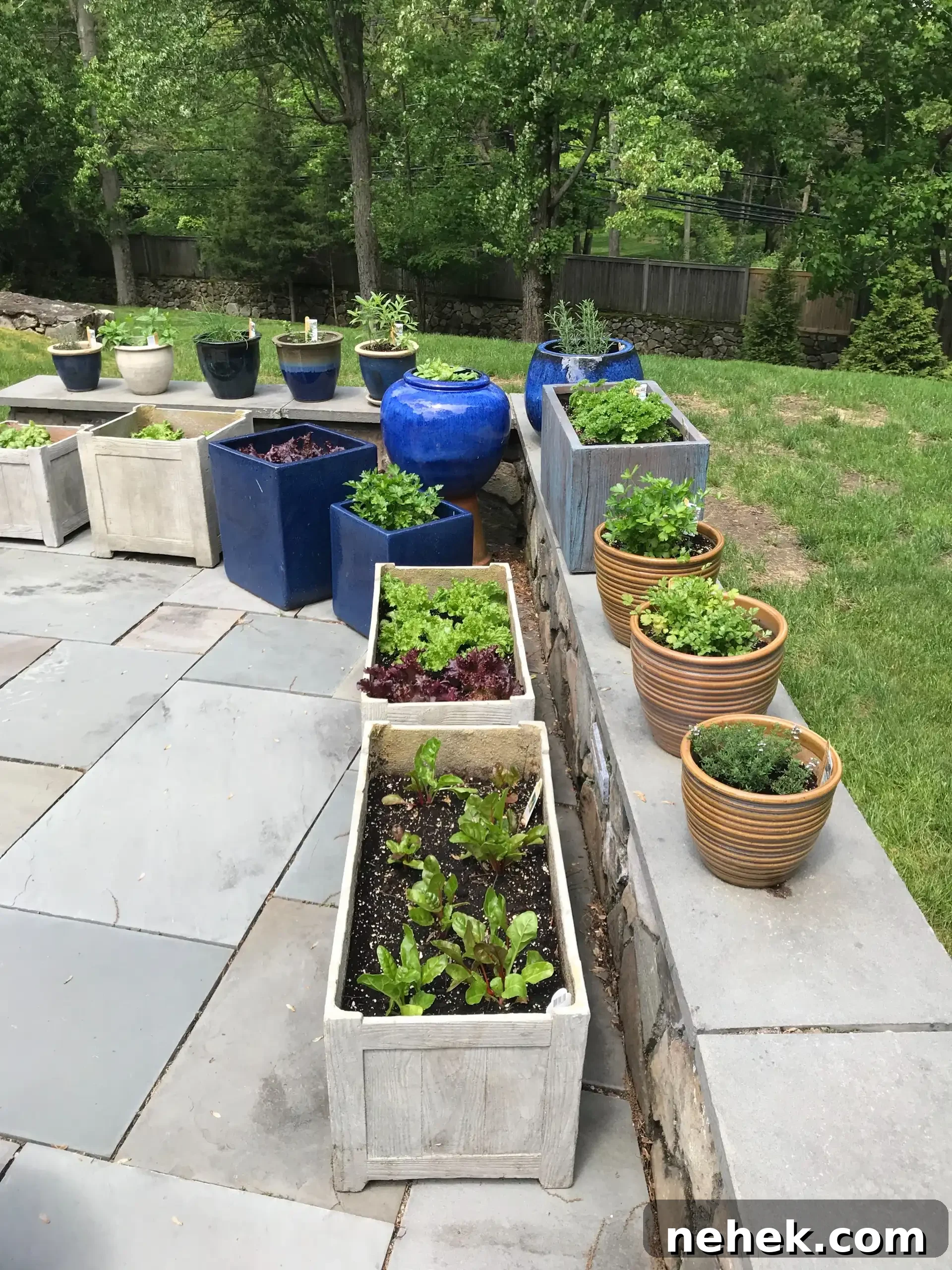
Our patio garden is larger now, but we began with a few small pots of herbs on a ledge. Each year we added one or two larger pots. Starting small lets you learn what grows well in your microclimate and which crops your family actually eats. If this is your first year, pick a few easy plants and expand later. See the Planning and Prepping section for practical starting steps.
2. What grows well in patio pots
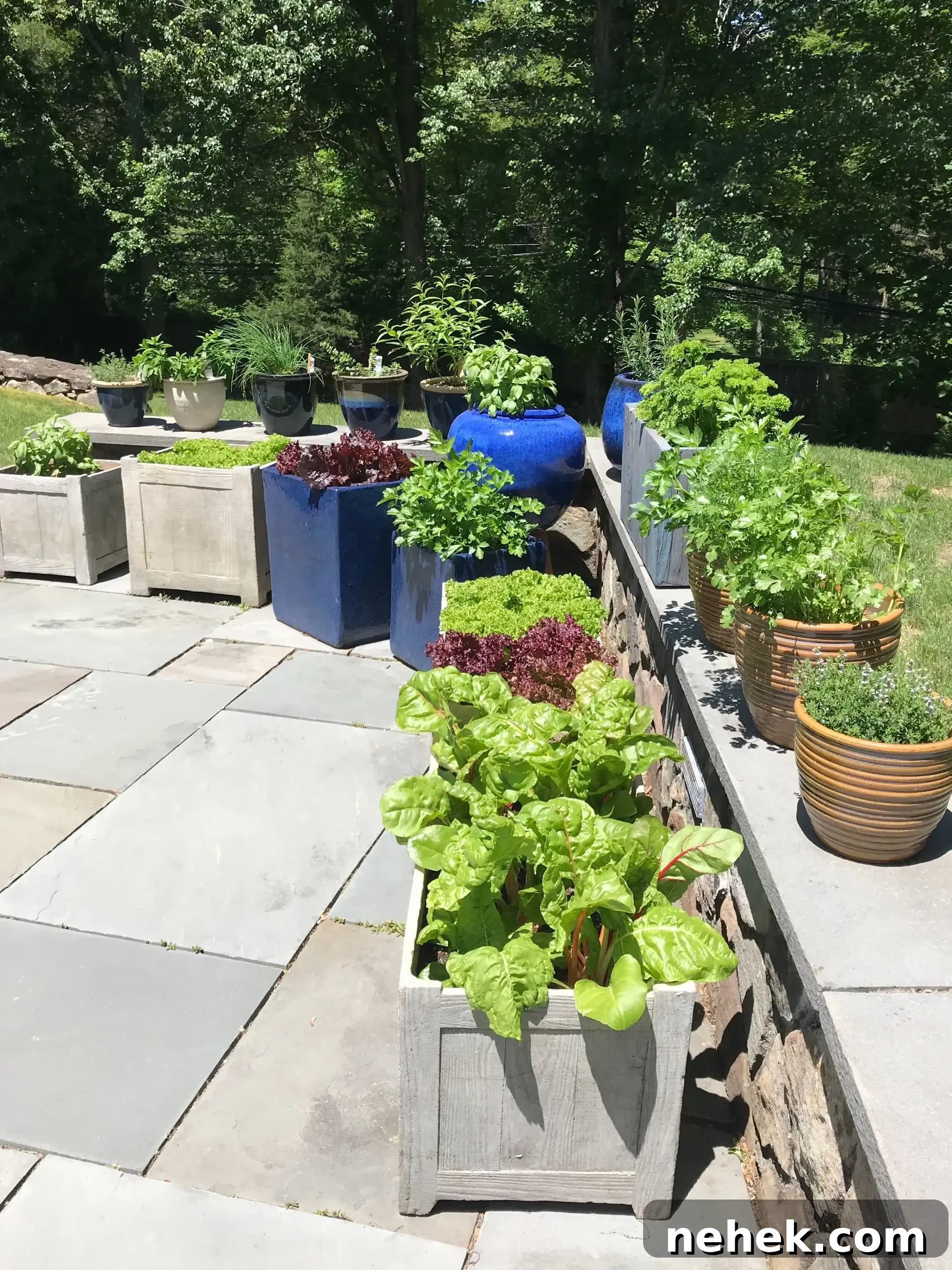
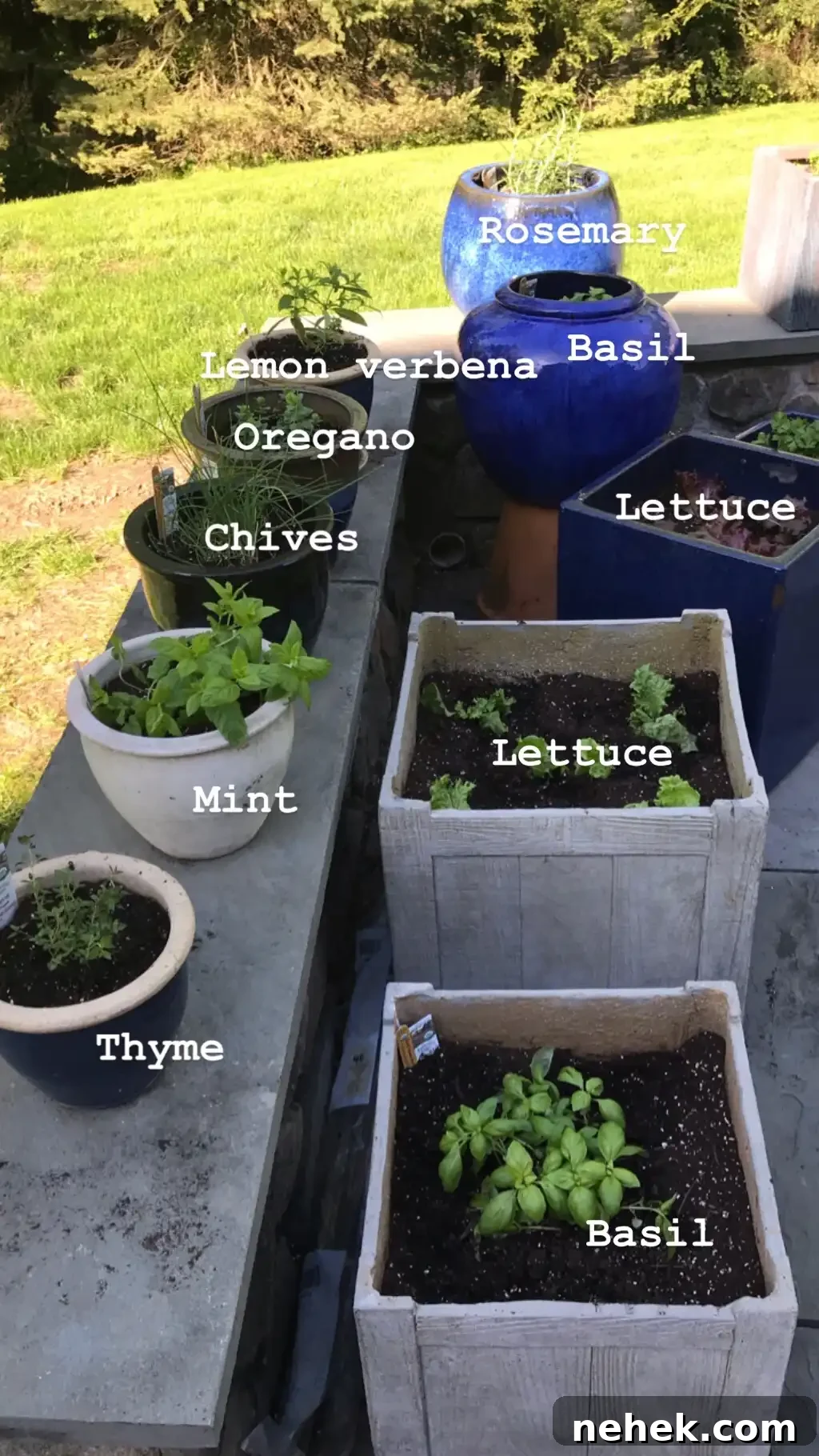
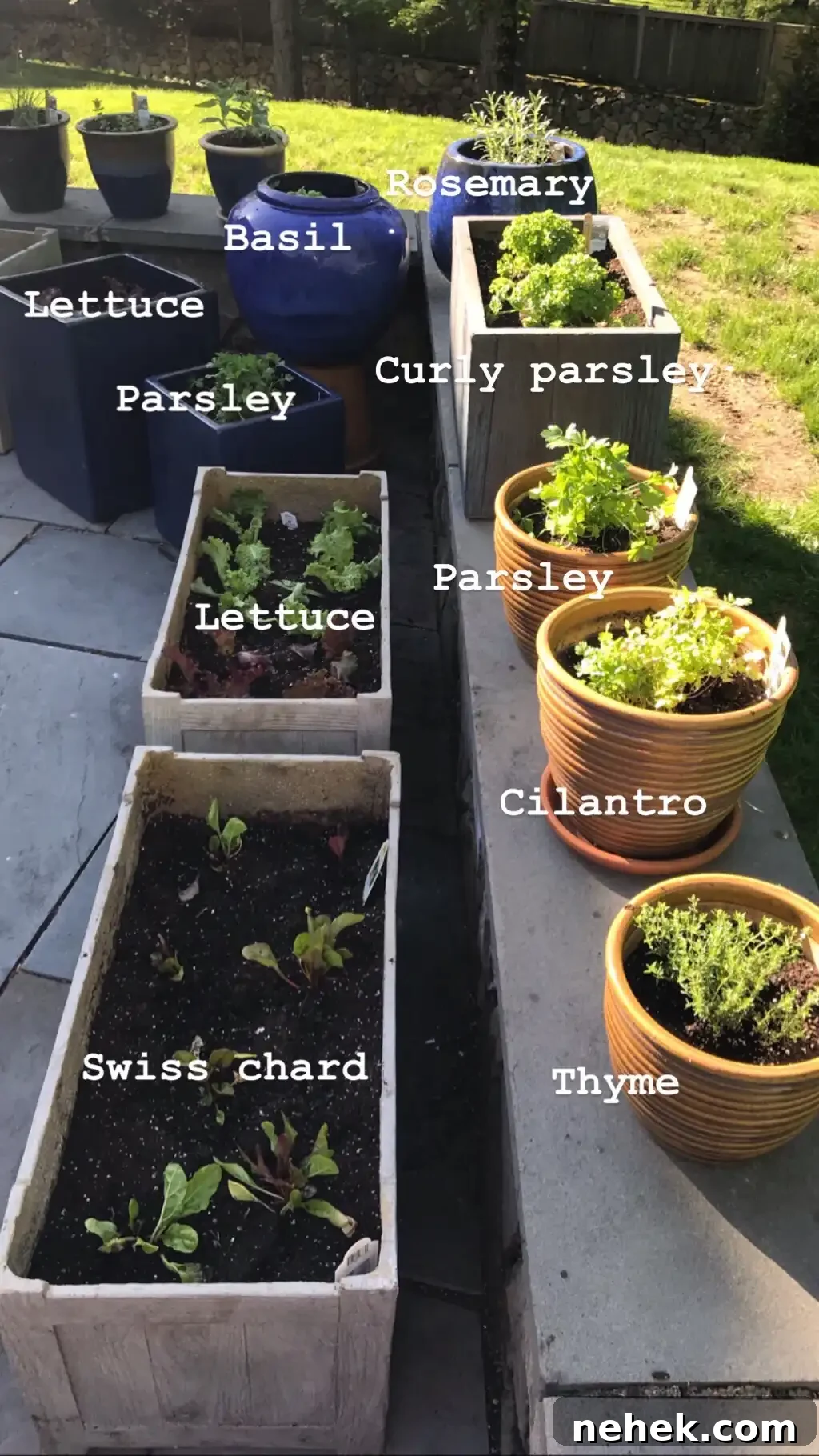
Greens and herbs are the easiest and most reliable choices for containers. Lettuce, kale, Swiss chard and most herbs thrive in pots. Fruiting plants such as tomatoes, cucumbers and eggplant can do well in containers but require more attention: they need lots of sun, consistent water and larger pots for root space. If you choose fruiting varieties, opt for smaller types — patio or cherry tomatoes, pickling cucumbers, and slender eggplants are better suited to containers.
If you’re unsure what will work where you live, ask your local nursery — they’re a great resource.
3. Planting basics — timing and weather
A simple rule: cool-weather greens grow best in cooler, damp conditions; herbs tolerate moderate temperatures; fruiting vegetables need warm, sunny weather. In the Northeast, leafy greens do well in May through early July, herbs can often start in mid-to-late May, and tomatoes and similar warm-weather crops shouldn’t be planted until the danger of frost has passed and nights begin to warm — typically around Memorial Day. Greens and herbs will produce quickly, while warm-season crops take longer and usually start to yield in mid to late summer. Check your local planting dates for accuracy.
4. Size of pots
Pot size matters. In general:
- Lettuce and other greens do better in larger containers where roots have room to spread.
- Herbs can be grown in small or medium pots depending on how often you use them. Use smaller pots for mint, thyme, chives and oregano; choose larger pots for basil, parsley and rosemary if you use them frequently.
- Fruiting crops require deep, large pots to accommodate root mass and water needs.
5. Potting soil and fertilizer
Use good quality organic potting soil — the soil quality directly affects plant health. We refresh container soil each year for two reasons: potted plants can’t draw from garden beds, so they benefit from fresh nutrients, and we remove soil when we store pots indoors over winter. Expect to need more soil than you think.
Fertilize when planting and then every 2–3 weeks. We use a small amount of an organic fertilizer suitable for vegetables and herbs — follow package directions for mixing and application rates.
6. Keeping animals away
Animals can be a problem, though our patio pots are mostly left alone except some late-summer visits from deer or other critters. One useful strategy is spraying the exterior of pots with a certified organic animal repellent every few weeks. It’s effective, but the smell can be unpleasant. Local garden centers can recommend reputable products.
7. Garden upkeep — watering, fertilizing, harvesting, weeding
Container gardens require regular care. Watering is essential — daily in warm weather and sometimes twice daily in the hottest months. Fertilize every 2–3 weeks, and harvest frequently: picking herbs and greens encourages more growth. Regular monitoring for pests and removing spent leaves keeps plants productive.
8. Enjoy it!
Watching seedlings become food you serve at the table is deeply satisfying. Gardening is not just about harvesting; it’s also a relaxing, joyful activity that connects you to your food and the seasons.
What you should be doing now — Planning and Prepping
Late April through early May is the ideal time to plan and prepare your garden. If this is your first season, consider these questions:
- What will you grow? Think about what your family eats and the amount of sunlight your patio gets. Start with a few favorites rather than trying everything.
- Where will the pots go? Monitor sun exposure throughout the day to choose the best spots.
- Do you have suitable pots or do you need to buy some? Nurseries, garden centers and hardware stores carry a range of sizes and styles.
- Where will you buy seedlings and potting soil? Local nurseries often sell healthy starter plants and can advise on varieties suited to your area.
- Buy more potting soil than you expect to need and set pots out and partially fill them so you’re ready when planting day arrives.
When temperatures are consistently warmer, visit your local nursery to choose seedlings. Many places now offer pre-order and curbside pickup options — check local policies when buying this year.
Up next: Planting
April 25th: Planting our hardy greens
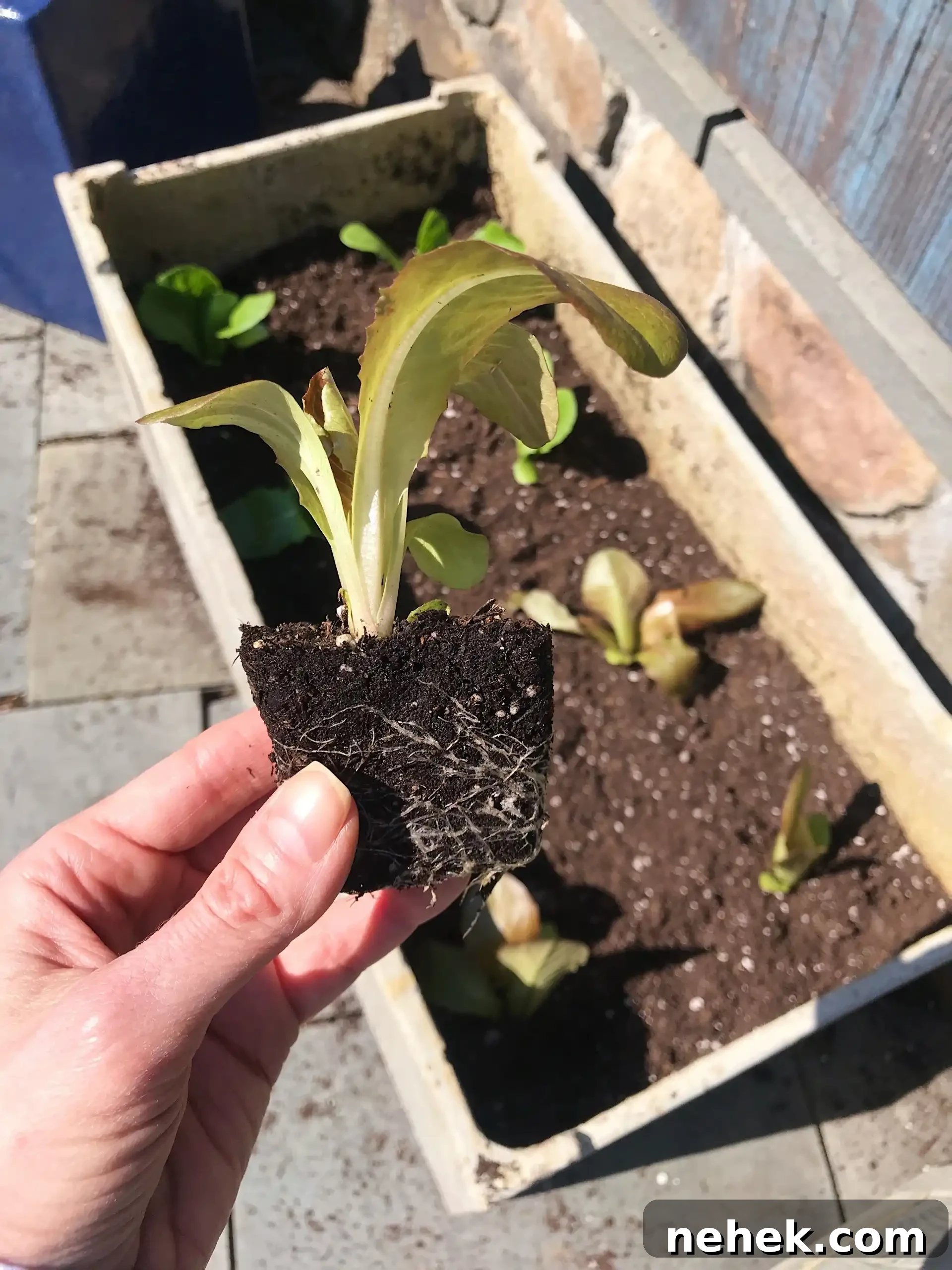
We planted a bit earlier than usual this year, focusing on hardy cool-weather crops: green and red lettuce, Swiss chard, kale, rosemary and curly parsley. We plant seedlings — small plants with established roots — and set them so the root ball is just covered by soil. After planting, we water each pot with a mild solution of water and organic fertilizer per package directions.
Be careful not to overcrowd containers; seedlings will fill out quickly. Plant with enough spacing so each plant has room to grow.
Pin this guide and check back — I’ll update it as the season progresses. Are you planting a garden this year? Is it your first time or have you been gardening for years? Tell me what you’re growing and ask any questions — I’ll answer them in the comments.