I’m not announcing a pregnancy, but I do want to share my preconception diet and the steps I’m taking to prepare my body for a future pregnancy. Having children wasn’t an immediate plan—between finishing my master’s in nutrition and my husband managing ulcerative colitis on medication, we weren’t ready. After completing a Whole30 and my husband coming off his medication under medical guidance, starting a family became a realistic possibility. That prompted me to research how best to support fertility and prepare my body for conception.
Preconception Diet
Getting to a healthy weight: Reaching and maintaining a healthy weight can improve your chances of conceiving. Research indicates that both underweight and overweight individuals may face more difficulty becoming pregnant. Aim for gradual, sustainable changes rather than crash diets, which can deplete nutrient stores and harm overall health.
Nutrient-dense foods: You’ll be supporting another life, so focus on nutrient-rich foods before, during, and after pregnancy. A balanced, whole-foods approach helps ensure you have the vitamins, minerals, and energy needed for conception and a healthy pregnancy.
Include:
- Plenty of fruits and vegetables (organic when possible)
- Lean proteins from wild-caught fish and grass-fed or pasture-raised animals
- Generous amounts of healthy fats (see below)
- Whole carbohydrate sources like sweet potatoes, whole grains, and squash
- Nutrient-rich staples such as homemade bone broth
Avoid highly processed foods, added sugars, artificial sweeteners, chemical additives, and highly processed snack products.
Whole milk: Switching from low-fat to whole dairy products (milk, yogurt, cheeses) has been linked with improved fertility in some studies, likely due to beneficial nutrients in milk fat. If you tolerate whole dairy, consider choosing whole milk options.
Healthy fats: Fats play a vital role in fertility, hormone balance, and fetal brain development. Focus on whole-food sources such as coconut oil, butter from grass-fed cows, extra virgin olive oil, wild-caught fish, grass-fed meats, full-fat dairy, avocados, and eggs from pastured chickens. Minimize intake of trans fats, hydrogenated shortening, and oils high in omega-6 fatty acids (for example, safflower, corn, and some vegetable oils).
Prenatal vitamins: Food-first nutrition is ideal, but a high-quality prenatal supplement can help fill gaps. Choose formulas that use bioavailable, whole-food-derived nutrients when possible and include folate (the natural form), which helps prevent neural tube defects. Speak with your healthcare provider about the best supplement for your needs.
Balance hormones: Hormonal imbalances, including conditions like PCOS, can interfere with conception. Eating to support metabolic and endocrine health—stable blood sugar, healthy fats, adequate protein, and nutrient-dense foods—can aid hormone balance. Lifestyle strategies such as sleep, stress management, and maintaining a healthy weight also help.
Exercise: Aim for at least 30 minutes of moderate activity most days. Walking is an excellent, low-impact option that supports circulation and overall health. Continue safe exercise habits during pregnancy as advised by your provider.
Magnesium and baths: Some people find relief from nausea and improved relaxation with magnesium-rich baths (Epsom salts). Magnesium can be depleted by stress, and it’s present in foods like nuts, seeds, leafy greens, and whole grains. Discuss supplementation with your healthcare professional if you suspect a deficiency.
Reduce stress: Chronic stress may reduce fertility, so prioritize rest, relaxation, and activities that restore calm—baths, prayer or meditation, time outdoors, or simply unplugging from screens. Small, consistent routines that lower stress can be very helpful.
Avoid harmful substances: Minimize exposure to toxic chemicals (cleaning products, pesticides), personal care items with endocrine-disrupting ingredients, smoking, alcohol, and excessive caffeine. Reducing these exposures supports reproductive health and a healthy pregnancy environment.
I recently read Real Food for Mother and Baby by Nina Planck, which offers practical guidance about nutrition for fertility, pregnancy, breastfeeding, and early infant foods. While I don’t agree with every recommendation, the book provided useful perspectives on traditional, nutrient-rich food choices. Personally, I plan to avoid alcohol during pregnancy.
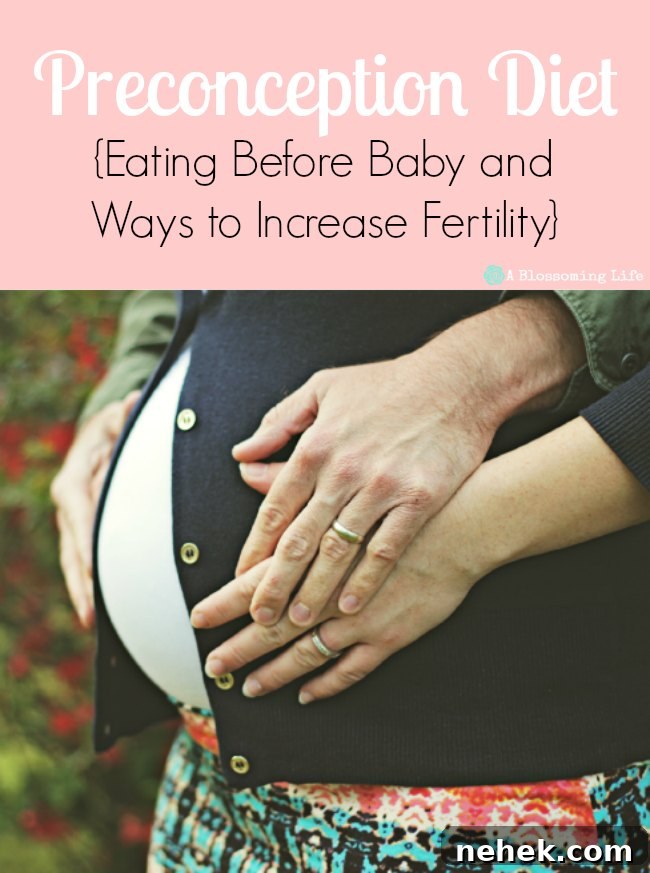
That photo is of Libby while she was pregnant with baby A, who’s now a little over a year. Such a sweet memory.
The information here is educational and reflects the author’s perspective. Consult your healthcare provider before starting any new diet or health regimen. This article is not a substitute for professional medical advice.
Sources cited by the author include peer-reviewed research on weight and fertility, and studies examining dairy intake and anovulatory infertility. For individualized recommendations, please speak with a qualified healthcare professional.