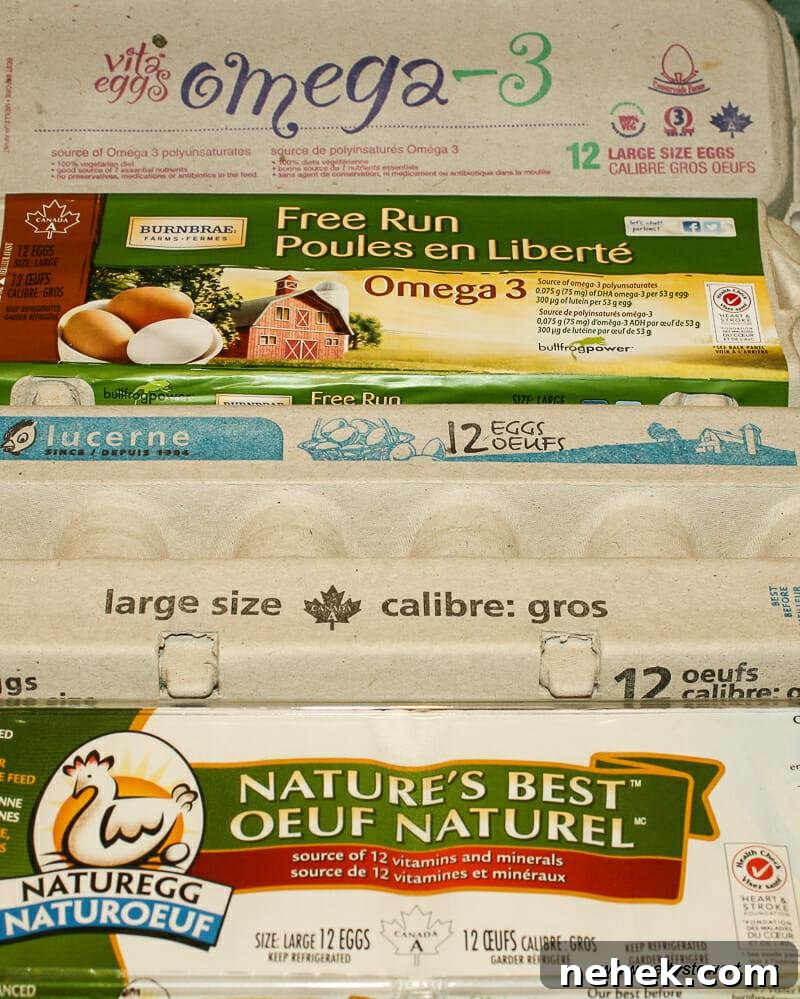
Choosing eggs at the grocery store can feel overwhelming. Cartons display many labels and descriptions — free run, free range, organic, omega-3, and more. What do these terms actually mean, and which eggs should you buy?
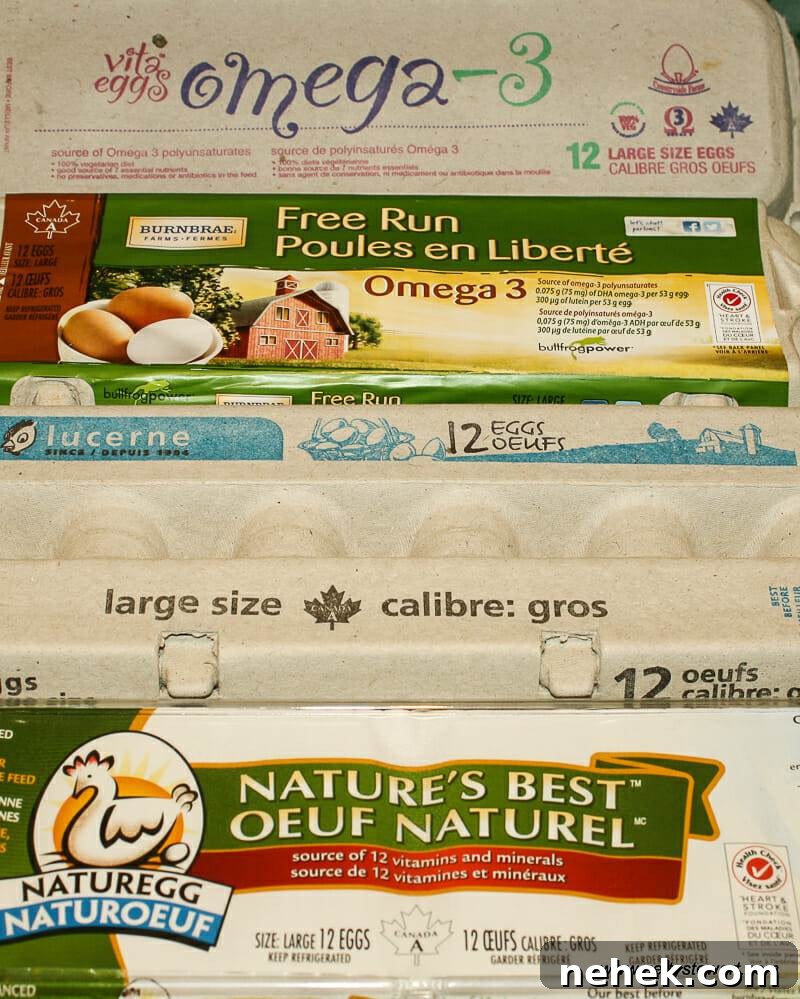
Sometimes I get eggs from my nephew’s farm, where hens roam freely. Most often, though, I buy eggs at the supermarket, where the variety and labeling can be confusing. On one visit I noticed these options:
- Free Run
- Free Range
- Furnished/Enriched Caged
- Comfort Coop
- Nest laid
- Standard or Classic Egg
- Organic
- Omega 3
- Vitamin Enhanced
- Omega 3 Plus
- Vegetarian
These different terms reflect differences in hen housing, feed, and marketing claims. Below is a clear guide to help you decide based on your priorities: price, nutrients, animal welfare, or supporting local farmers.
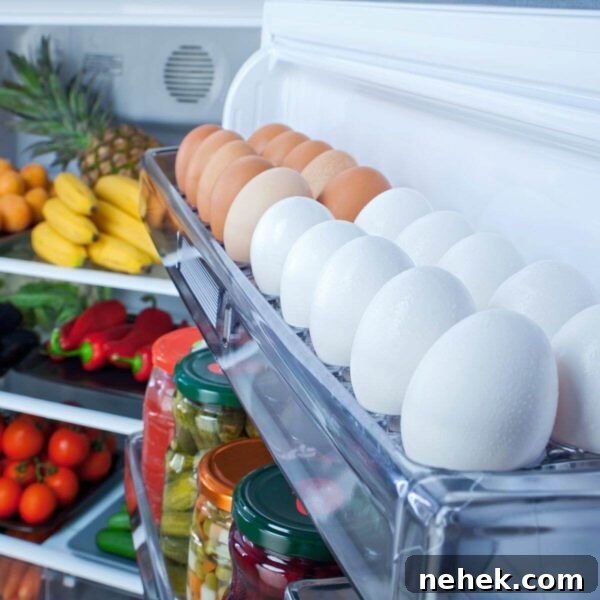
First, one important point: there is no bad egg. Any eggs sold in stores are a healthy, affordable source of nutrients. Choose whatever eggs match your preferences and budget.
In Canada, all eggs sold in stores:
- are Grade A quality
- are antibiotic- and hormone-free (whether the carton advertises it or not)
Choosing the Right Eggs
The best egg carton is the one that matches what you value most: price, nutrient content, animal welfare, brand, packaging, or supporting local producers.
1. Best Price
For the best value, choose standard regular eggs in traditional packaging. White and brown eggs are nutritionally similar; the shell color reflects the breed of the hen, not quality.
2. Best Nutrient Content
If you want extra nutrients, select eggs from hens fed a specialized diet. Producers can increase omega-3 fatty acids by adding flaxseed to feed, or boost vitamins like D, E and B12 by supplementing diets. These fortified eggs cost more because the feed is more expensive. Look for labels such as Vitamin Enhanced, Omega 3, or Omega 3 Plus.
Omega 3 or Omega 3 Plus Eggs
Hens are fed a diet rich in omega-3 sources (for example, flaxseed). Housing conditions can vary between farms.
Vitamin Enhanced Eggs
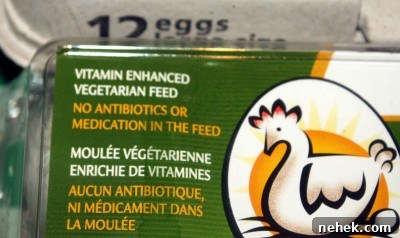
Hens receive feed supplemented with specific vitamins such as D, E, B12 and folacin. Housing conditions vary across producers.
Vegetarian Eggs
Hens are fed an exclusively plant-based diet with no animal by-products. Note that chickens are naturally omnivores, so this is a dietary choice rather than a natural requirement.
Organic Eggs
Organic eggs come from hens fed organic feed (no synthetic pesticides or herbicides). Organic standards also require nest boxes, perches, litter for pecking, and some access to outdoor space.
3. Greatest Hen Comfort
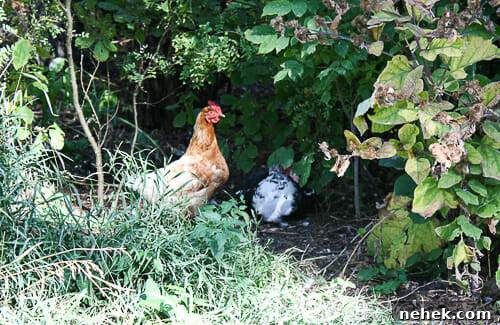
Many shoppers prefer eggs from hens that have more space and outdoor access. Local farms that sell directly to consumers often provide pasture access and the chance to meet the farmer. However, commercial egg production supplies most of our eggs, and Canadian egg farmers work to improve hen welfare and food safety through better housing and management.
In some provinces, farmers are transitioning away from conventional cages to enriched housing, which offers more space, perches, nesting areas and enrichment. Carton labels usually indicate the housing system; if no housing claim is made, the eggs likely come from conventional systems.
Conventional Housing
Hens are kept in cages without perches or nest boxes. This is the most basic commercial system.
Free Run Eggs
Hens roam freely inside a barn and have access to perches and nest boxes. Some barns include multi-tiered aviaries. Outdoor access is not required in this system.
Free Range Eggs
Hens live in a barn but have some access to the outdoors when weather permits. The size and quality of outdoor space varies by farm and can range from limited concrete areas to pasture.
Enhanced/Comfort Coop/Furnished/Enriched/Nest Laid Eggs
Hens are kept in smaller groups with more space than conventional cages, plus private nest boxes, scratch pads and perches.
Pastured Chickens
Hens graze on pasture and are moved to fresh areas regularly; they sleep in coops at night. This system is most common on small farms selling eggs directly to consumers.
I hope this guide helps you choose eggs confidently on your next grocery trip. Which type will you try next?
More deep-dive articles on eggs
- How to Make Easy Peel Hard Boiled Eggs
- Top 10 Frequently Asked Questions About Eggs
- How to Freeze Eggs
- Hard Cooked Eggs in the Oven – Not All They’re Cracked Up to Be
- Best Deviled Eggs Ever
Cook with the seasons, effortlessly! I’m Getty, a food educator and Professional Home Economist, helping you select, store, and serve seasonal ingredients in simple, everyday meals. Sign up for seasonal tips and recipes delivered to your inbox, and explore my books, guides, and YouTube content for more.