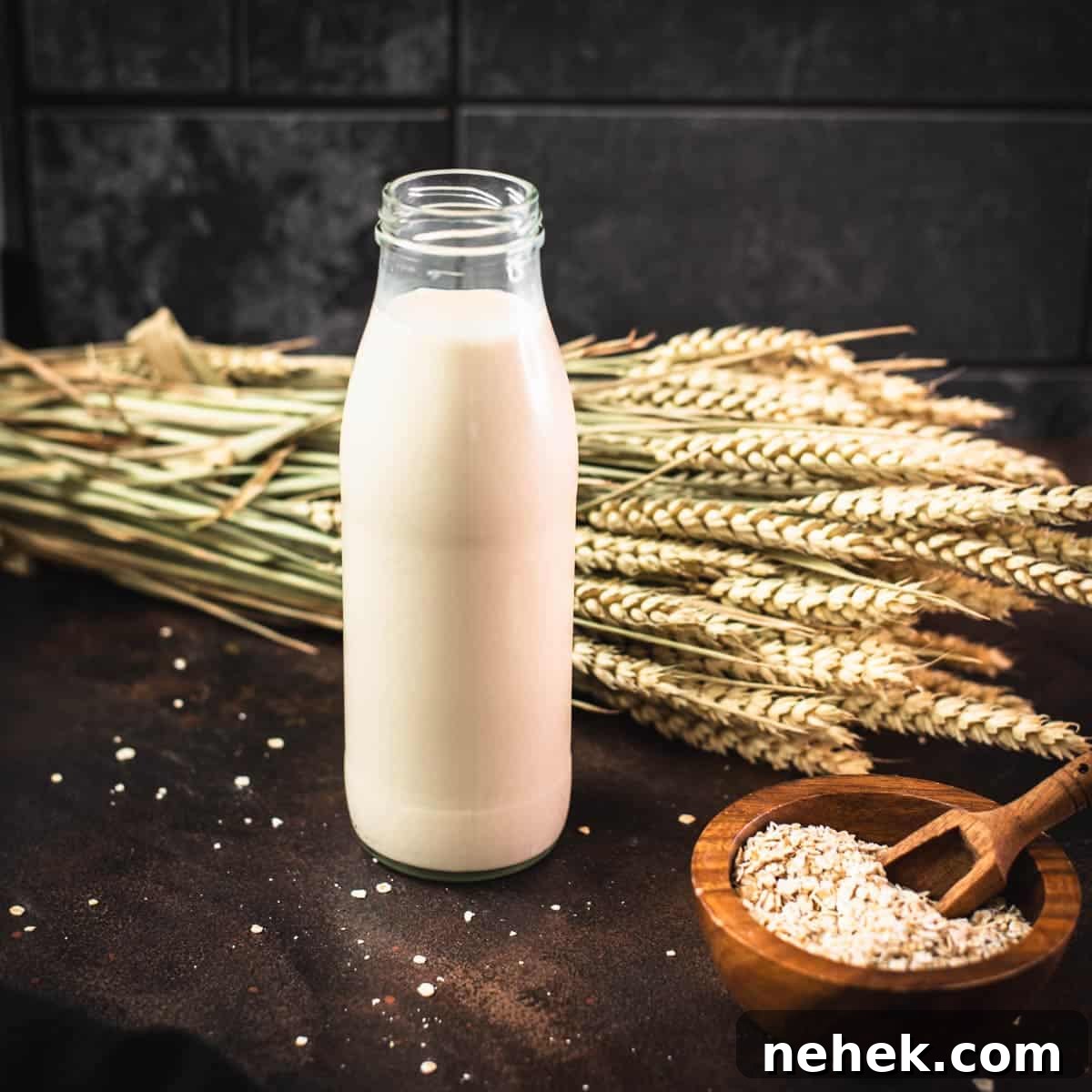
Plant-based milk has expanded into a wide range of flavorful choices, and few are as rich and versatile as oat milk. Its creamy texture makes it perfect for baking, cereal, and coffee—so why does oat milk sometimes separate in your cup?
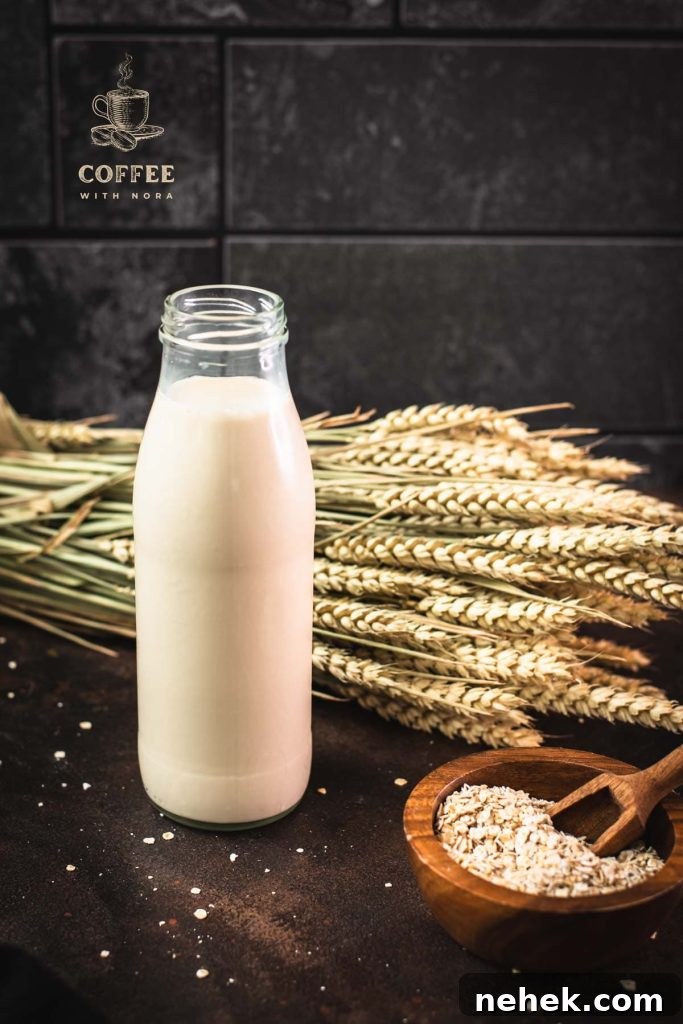
There are many reasons people turn to dairy alternatives for their morning coffee, and oat milk has become one of the most popular choices. It can transform a beverage, adding a silky mouthfeel and subtle sweetness, but it can also occasionally split when combined with coffee.
Below is a clear, practical look at why oat milk separates in coffee and how to prevent it so you can enjoy a smooth, balanced cup every time.
What is Oat Milk, and Why Use it in Coffee?
Oat milk is a creamy, plant-based milk made by soaking oats in water and blending or pressing to extract their flavor and nutrients. It’s widely favored because it’s nut-free, mildly sweet, and naturally smooth—an excellent option for people with allergies or those avoiding dairy.
Nutrition-wise, oat milk often contains added vitamins and calcium and delivers dietary fiber from the oats. It’s cholesterol-free and can be a sensible choice for many coffee drinkers. Beyond nutrition, its mild, toasty flavor and velvety texture pair especially well with coffee. Oat milk comes in a range of varieties—plain, sweetened, vanilla, and barista blends—so you can choose the profile that best complements your brew.
Despite its appeal, oat milk can sometimes curdle in coffee, creating an unappealing texture. Understanding the causes helps you avoid that unpleasant result and preserve the enjoyable qualities that make oat milk so popular in coffee drinks.
Why Does Oat Milk Curdle in Coffee?
When oat milk separates in coffee it’s usually due to acidity and temperature. Coffee is naturally acidic, and that acidity can trigger a change in the oat milk’s proteins and stabilizers, lowering the milk’s pH and causing it to separate into curds and watery liquid. Visually, this looks like lumps or a grainy, thin texture floating in the drink.
This process is similar to how acid turns milk into buttermilk or causes dairy to curdle in other cooking contexts. Acidity alone can be enough to cause separation, but temperature makes a big difference: very hot coffee or rapid temperature changes can make oat milk more prone to splitting.
Other contributing factors include the specific formulation of the oat milk—some brands use stabilizers and emulsifiers that withstand heat and acid better than others. Barista blends are formulated to hold up in hot beverages, while lighter or unfortified versions may be less stable.
How to Avoid Separating Oat Milk in Coffee?
You don’t have to give up oat milk if it frequently curdles in your coffee. A few simple adjustments will help you enjoy a smooth drink without lumps.
- Choose lower-acid coffee: Some coffees are naturally less acidic—dark roasts and many espresso blends, for example, tend to be gentler on plant milks. If acidity is the trigger, switching beans or roast level can reduce curdling.
- Pick a barista-style oat milk: Look for oat milks labeled “barista” or formulated for hot drinks. These products include stabilizers and emulsifiers designed to maintain a smooth texture when mixed with hot coffee or steamed.
- Alter how you combine them: Instead of pouring milk into coffee, try adding coffee to the milk slowly. Pouring the hot coffee into the milk in a controlled stream while stirring allows the temperatures to equalize gradually and lowers the chance of separation.
- Manage temperatures: Very hot coffee increases the risk of curdling. Let freshly brewed coffee cool slightly before adding oat milk, or use room-temperature oat milk rather than very cold milk straight from the fridge. For hot drinks, warm the oat milk gently instead of exposing it to a sudden burst of heat.
- Consider cold brewing: Cold-brew coffee is typically less acidic than hot-brewed coffee. If separation is a recurring problem, cold brew paired with oat milk tends to be stable and offers a smooth, mellow flavor profile.
Focusing on acidity and temperature—and choosing an oat milk formulated for coffee—will go a long way toward preventing separation. With the right approach, you can keep enjoying the creamy texture and pleasant taste of oat milk in your daily cup.
More Recipes and Tips You Might Enjoy:
- Honey Lavender Oat Milk Latte
- How to Froth Milk Without a Frother?