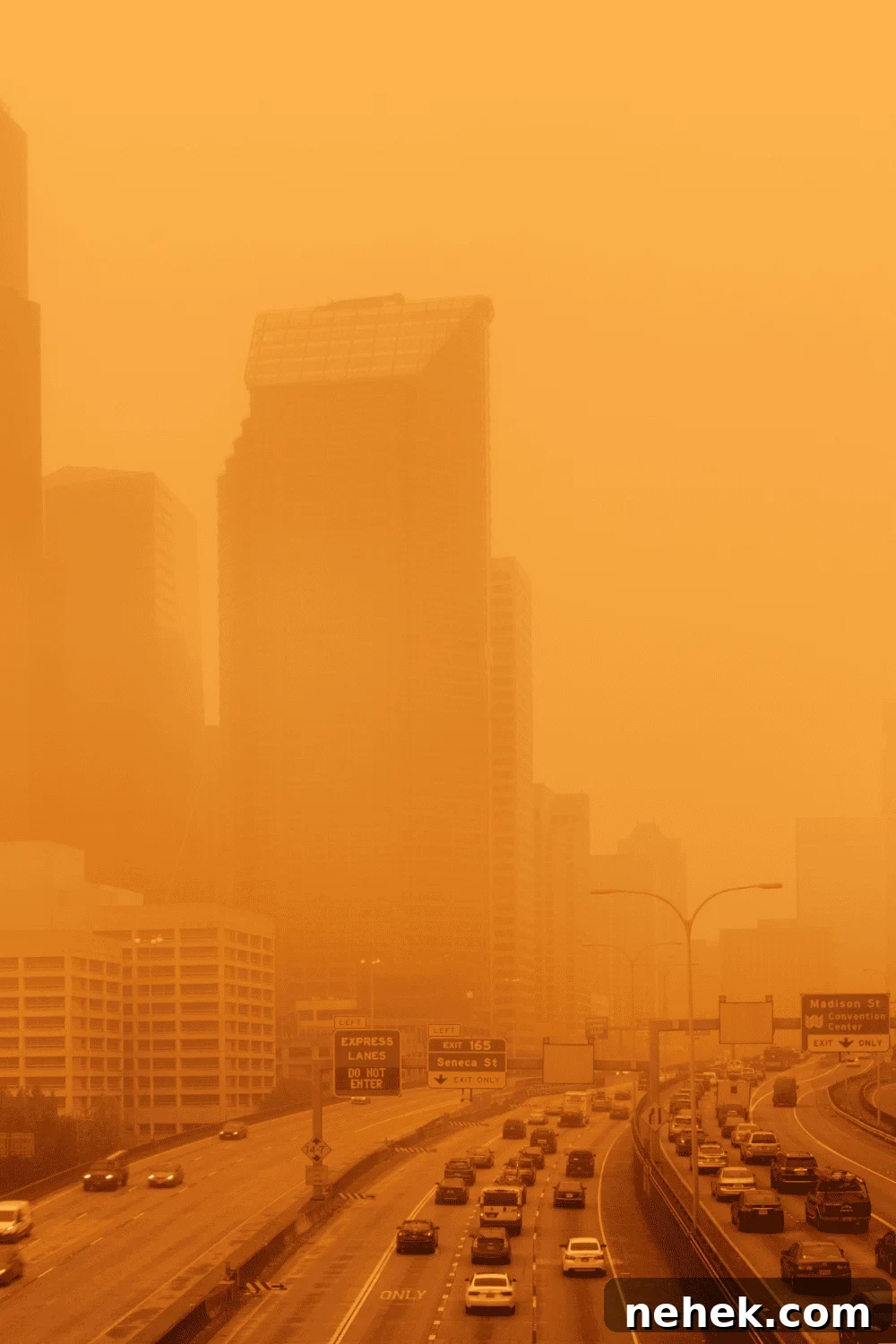
It’s wildfire season.
Wildfires are not new, but their frequency and severity have increased in recent decades. Smoke from wildfires can harm health in many ways, exacerbating existing conditions and causing new problems.
Wildfire smoke exposure can lead to:
- Respiratory issues such as coughing, difficulty breathing, bronchitis, and reduced lung function
- Cardiovascular problems, including heart attack and heart failure
- Stroke
- Weakened immune response and higher risk of certain infections
- Skin and eye irritation
- Pregnancy complications like low birth weight, preterm delivery, and pregnancy loss
- Increased risk for lung and brain tumors
- In severe cases, premature death
That can feel frightening, especially since individuals often cannot stop a wildfire once it starts. Still, there are many practical steps you can take to reduce exposure and protect yourself and those around you.
Particulate matter from wildfire smoke can linger in the environment for weeks or months after a fire, so limiting exposure and supporting your health during and after smoke events is important.
This guide provides concrete actions and recommendations to help you stay safer during wildfire season.
What This Guide Covers:
- 1. Invest in the RIGHT kind of air filter
- AirDoctor (3500 and above)
- Jaspr
- IQAir GC Multigas
- How to make a cheap DIY box fan air filter (budget/emergency option)
- 2. Be prepared to evacuate if you need to.
- 3. Be aware if you or your loved ones are more vulnerable.
- 4. Monitor your air quality.
- 5. Stay inside & shut the windows.
- 6. Don’t make it worse.
- 7. Create a “clean room.”
- 8. Mask up.
- 9. What to eat & drink for holistic support and detox.
- 10. Be careful during cleanup.
- 11. Do your part to prevent wildfires from starting in the first place.
This guide includes product recommendations; some links may lead to retailers. Recommendations are intended to be helpful and practical.
1. Invest in the RIGHT kind of air filter
Running a mobile or freestanding air purifier is one of the most effective steps you can take during wildfire smoke events.
Anything is better than nothing. If you can purchase a quality purifier, aim for one that combines HEPA or UltraHEPA filtration with activated carbon to capture particulates and reduce gases and odors.
Key points:
- Look for HEPA (or UltraHEPA/HyperHEPA) plus activated carbon for the best balance of particle and gas removal.
- Check the coverage area to ensure the device is appropriate for your room size.
- Replace filters on schedule and keep the unit clean for optimal performance.
- If you don’t have time or budget for a commercial purifier, a DIY box fan with a MERV-13 HVAC filter is a strong emergency option.
AirDoctor (3500 and above)
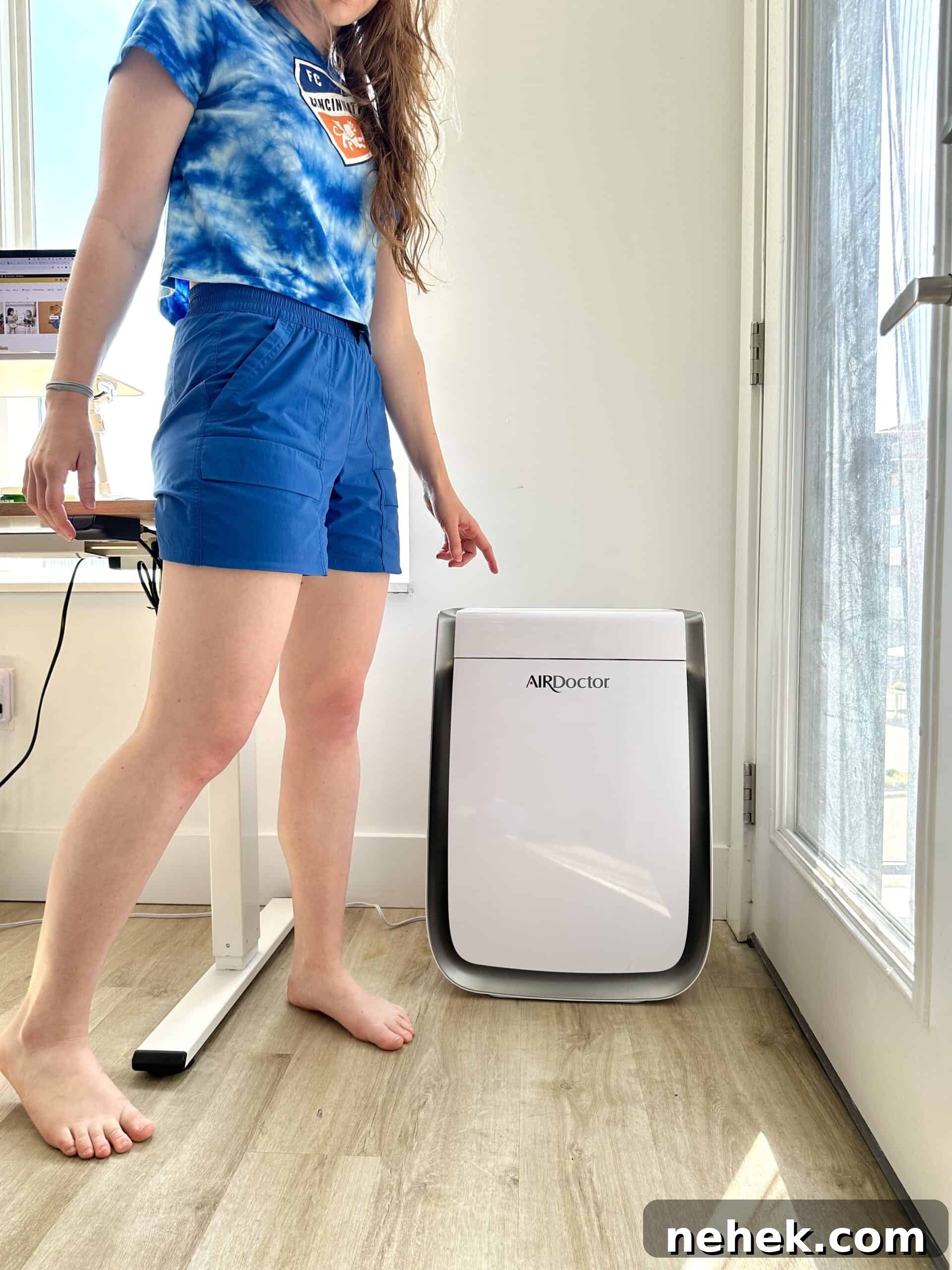
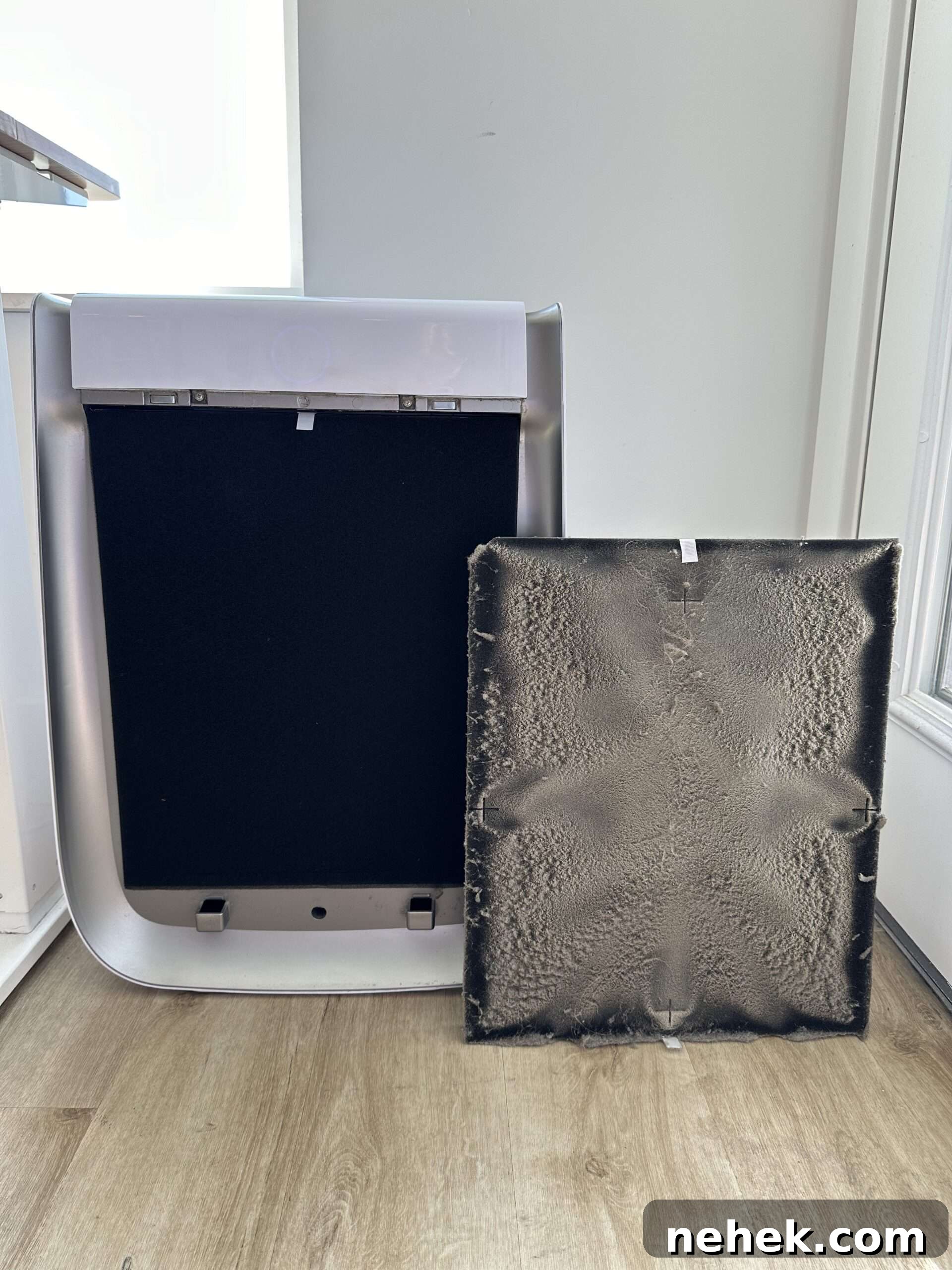
AirDoctor offers strong performance for its price range, with UltraHEPA filtration and models that suit different room sizes. The higher-end models include more carbon for better gas and odor control. They are generally user-friendly and relatively quiet on lower fan settings.
All models include a pre-filter, a carbon/VOC filter, and an H13 UltraHEPA filter, plus an air quality sensor and indicator light to show current particle levels.
Jaspr
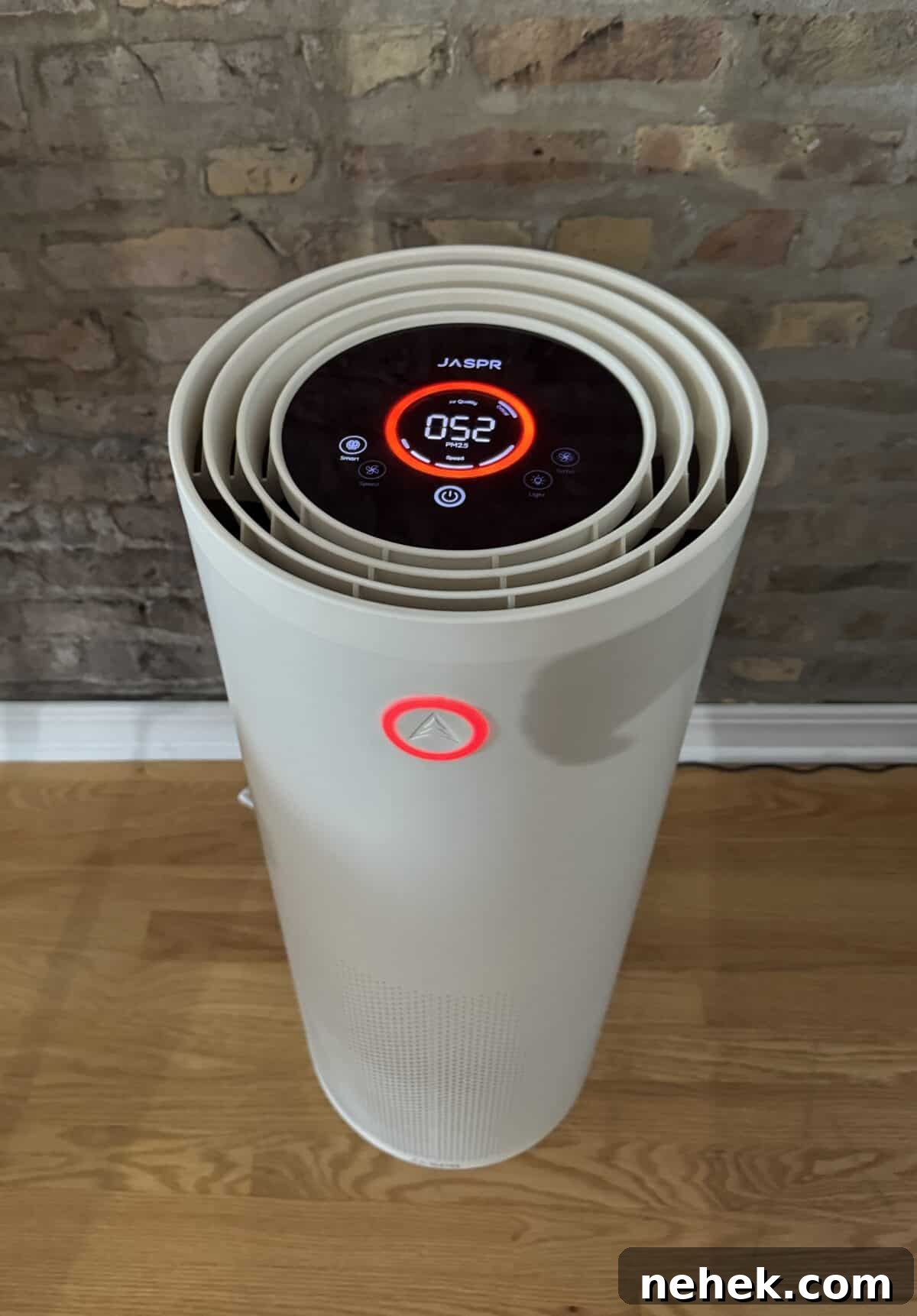
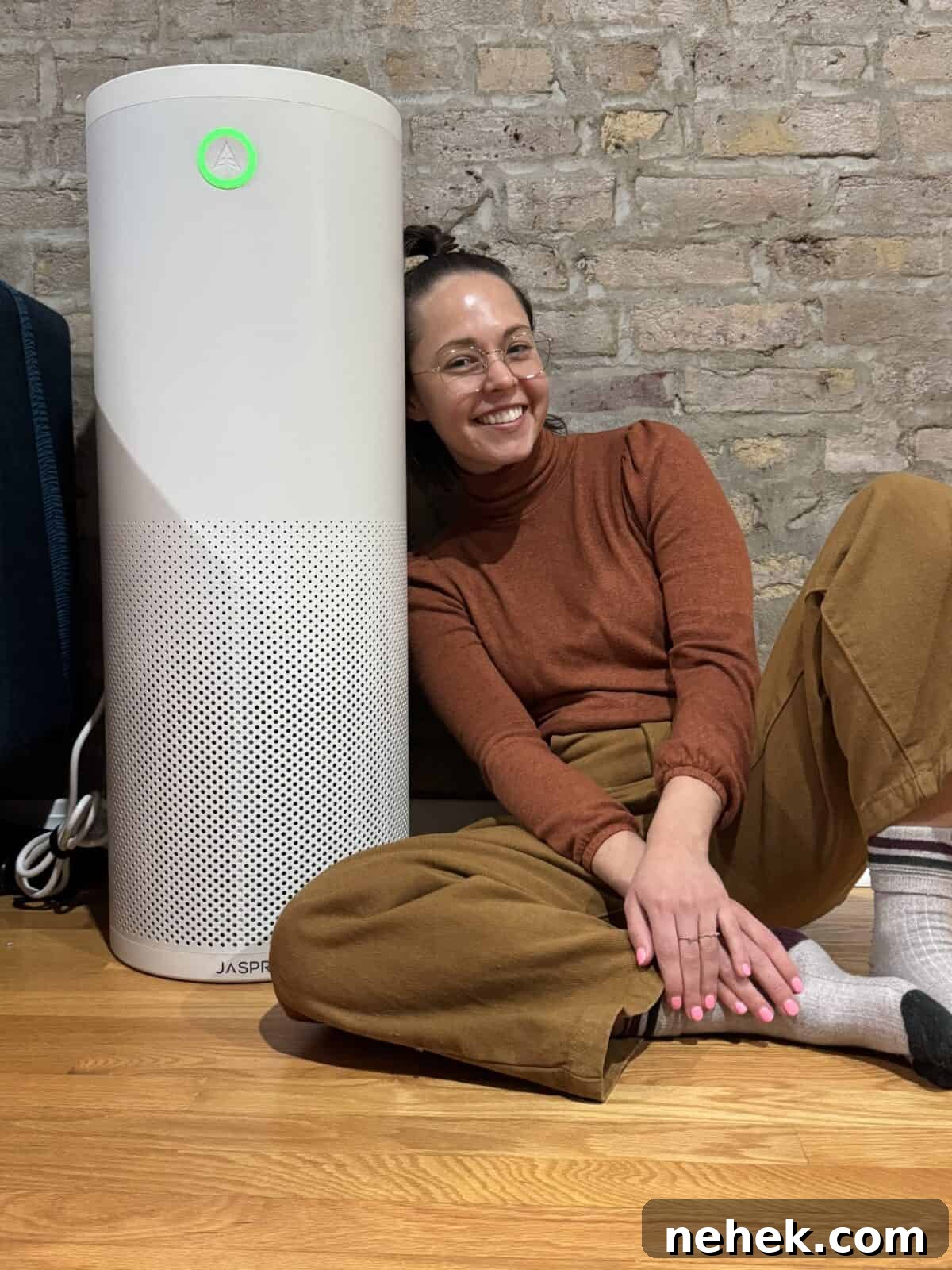
Jaspr focuses on a durable design and effective filtration, typically including a pre-filter, HEPA+ filter, and carbon layer. Some models emphasize low-plastic construction and offer subscription-based filter replacement plans that may include extended warranties. They provide solid particle removal and meaningful carbon capacity for odor and gas reduction.
IQAir GC Multigas
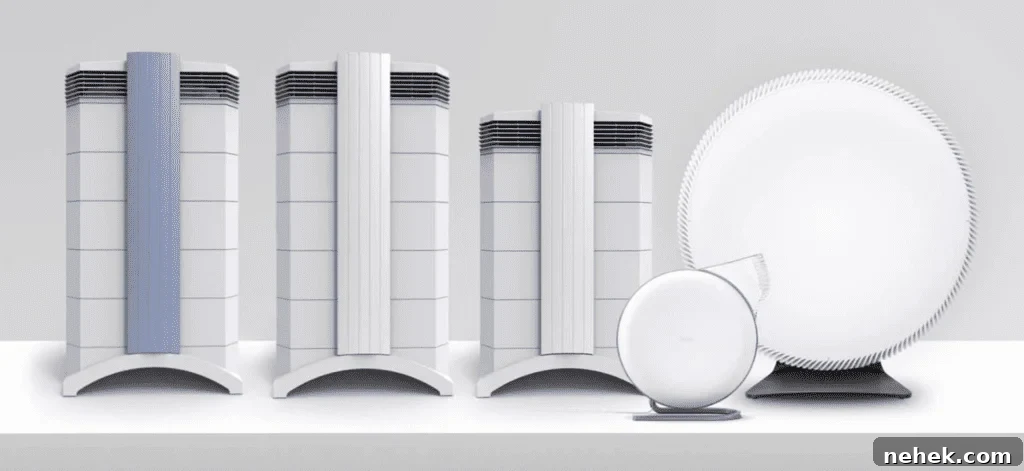
IQAir units are among the most capable for wildfire smoke because they combine HyperHEPA particle filtration with substantial carbon beds for gas and odor control. Their HyperHEPA filters capture ultrafine particles, and models vary by carbon weight and room coverage. These are premium units with higher price points but excellent filtration performance.
How to make a cheap DIY box fan air filter (budget/emergency option)
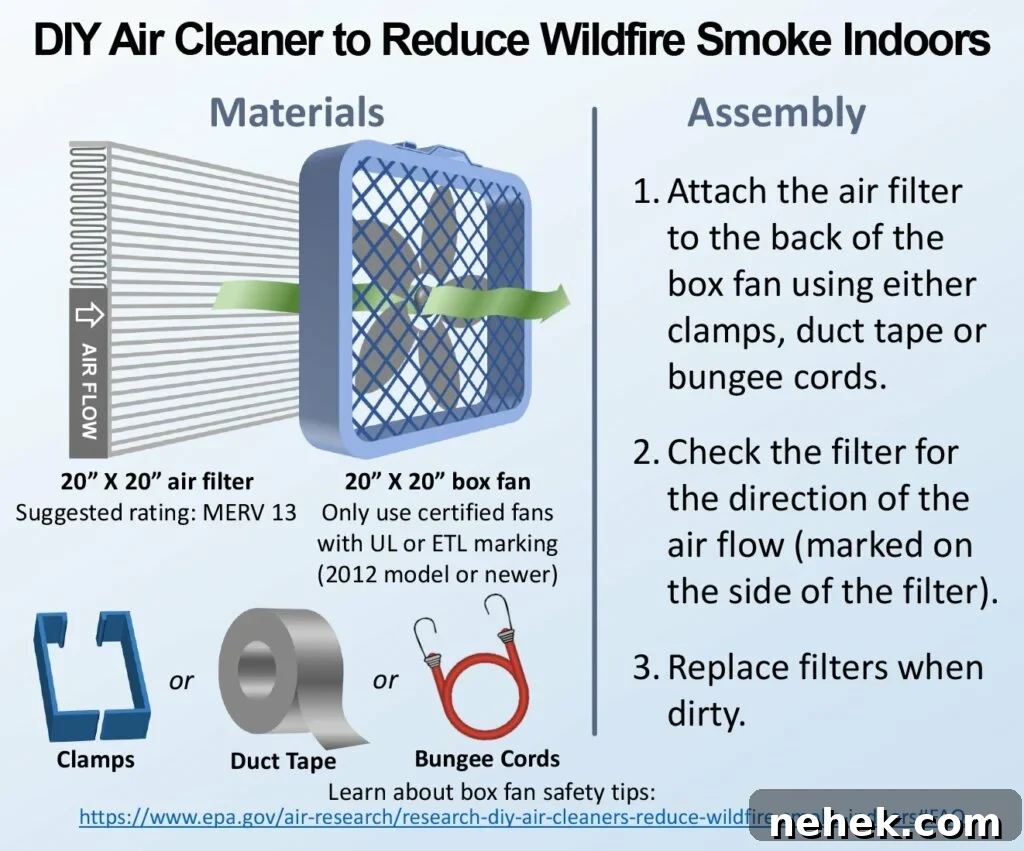
If you cannot access a commercial purifier, you can create an effective temporary filter by attaching a MERV-13 HVAC filter to a box fan. The MERV-13 filter captures fine particulates typical of smoke. For higher capacity, the Corsi-Rosenthal cube—four filters arranged around a box fan—offers improved airflow and filtration. These DIY solutions are good short-term measures but not long-term replacements for certified purifiers.
2. Be prepared to evacuate if you need to.
If a wildfire threatens your area, follow local authorities’ warnings and evacuation orders. Fires can spread and change direction quickly. If you live in a high-risk zone, prepare an evacuation plan and a ready-to-go bag with essentials such as water, medications, important documents, chargers, and basic first-aid supplies.
3. Be aware if you or your loved ones are more vulnerable.
Certain groups face higher risk from smoke exposure, including people with respiratory or heart disease, older adults, infants and children, pregnant people, and those with compromised immune systems. If you or someone you care for falls into one of these categories, consider evacuating earlier, using stronger protective measures, and staying in close contact with healthcare providers.
4. Monitor your air quality.
Track current air quality levels in your area so you can make informed decisions about going outside and taking protective steps. Local public health alerts and real-time monitoring tools can help you know when conditions worsen and when it’s safer to resume normal activities.
5. Stay inside & shut the windows.
When outdoor air is smoky, keep windows and doors closed and limit opening them. If possible, stay in a well-sealed area of your home and use filtered air. If temperatures are extreme and you lack cooling, find a safe place to avoid overheating, such as an air-conditioned shelter.
6. Don’t make it worse.
Avoid activities that add indoor pollution while outdoor air is already poor. Skip candles, incense, air fresheners, and using fireplaces. Limit frying or cooking methods that produce smoke, and avoid using gas stoves if possible.
7. Create a “clean room.”
Rather than trying to filter an entire house, designate one well-sealed room as a clean room. Choose a space with few windows and doors, close and seal gaps if necessary, and run a freestanding air purifier in that room. Keep essentials—water, medications, chargers, and a small supply of food—nearby and spend most of your time there until outdoor air improves.
8. Mask up.
When you must be outside or in smoky environments, wear a properly fitted N95 or equivalent respirator (e.g., P100) rather than cloth or dust masks. Ensure a good seal and follow guidance on proper use and disposal. If you need additional protection, consider eye protection and clothing that covers exposed skin.
9. What to eat & drink for holistic support and detox.
Avoidance of smoke is primary; nutrition and self-care support recovery and resilience. Practical steps include:
- Stay well hydrated with clean, filtered water.
- Prioritize quality sleep to support the body’s repair and detox systems.
- Eat antioxidant-rich foods such as berries, leafy vegetables, nuts, and green tea to help counter oxidative stress.
- Consider supplements only after consulting a healthcare professional; some people use antioxidants or liver-supporting nutrients under medical guidance.
- Support gut health with prebiotic and probiotic foods to maintain healthy detox pathways.
- Limit alcohol, tobacco, and highly processed foods that promote inflammation.
- Stay physically active within safe indoor limits to support circulation and overall health.
- Manage stress with restorative practices—breathwork, meditation, connection with loved ones—since chronic stress undermines health.
10. Be careful during cleanup.
If your property was directly affected by fire, take precautions during cleanup. Ash and soot irritate eyes, skin, and lungs. Wear protective gear, avoid heavy exertion, and consider leaving extensive cleanup to professionals if you are in a vulnerable group. After a fire, vacuum with a HEPA-equipped vacuum, clean ducts and surfaces, steam clean carpets as needed, launder textiles, and replace HVAC filters.
11. Do your part to prevent wildfires from starting in the first place.
Many wildfires are caused by human activity. Preventive steps include properly extinguishing cigarettes, following campfire safety rules, operating outdoor equipment carefully, observing local burn bans, and supervising children around lighters and matches. Small precautions can reduce the risk of accidental ignition.
I hope this guide helps you feel more prepared and gives practical steps to protect yourself, your family, and your community during wildfire season. Stay aware, act early, and take sensible precautions to reduce exposure.