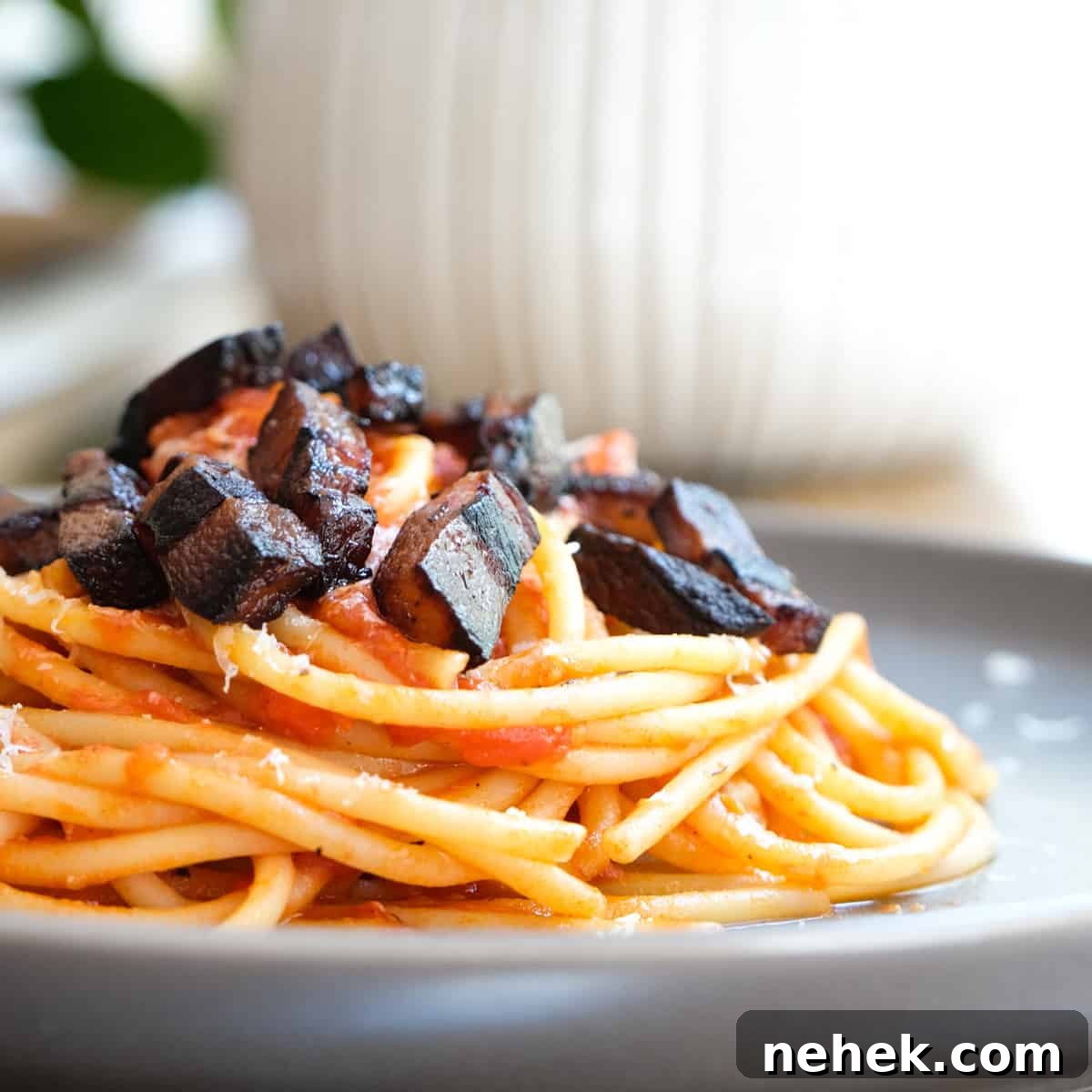
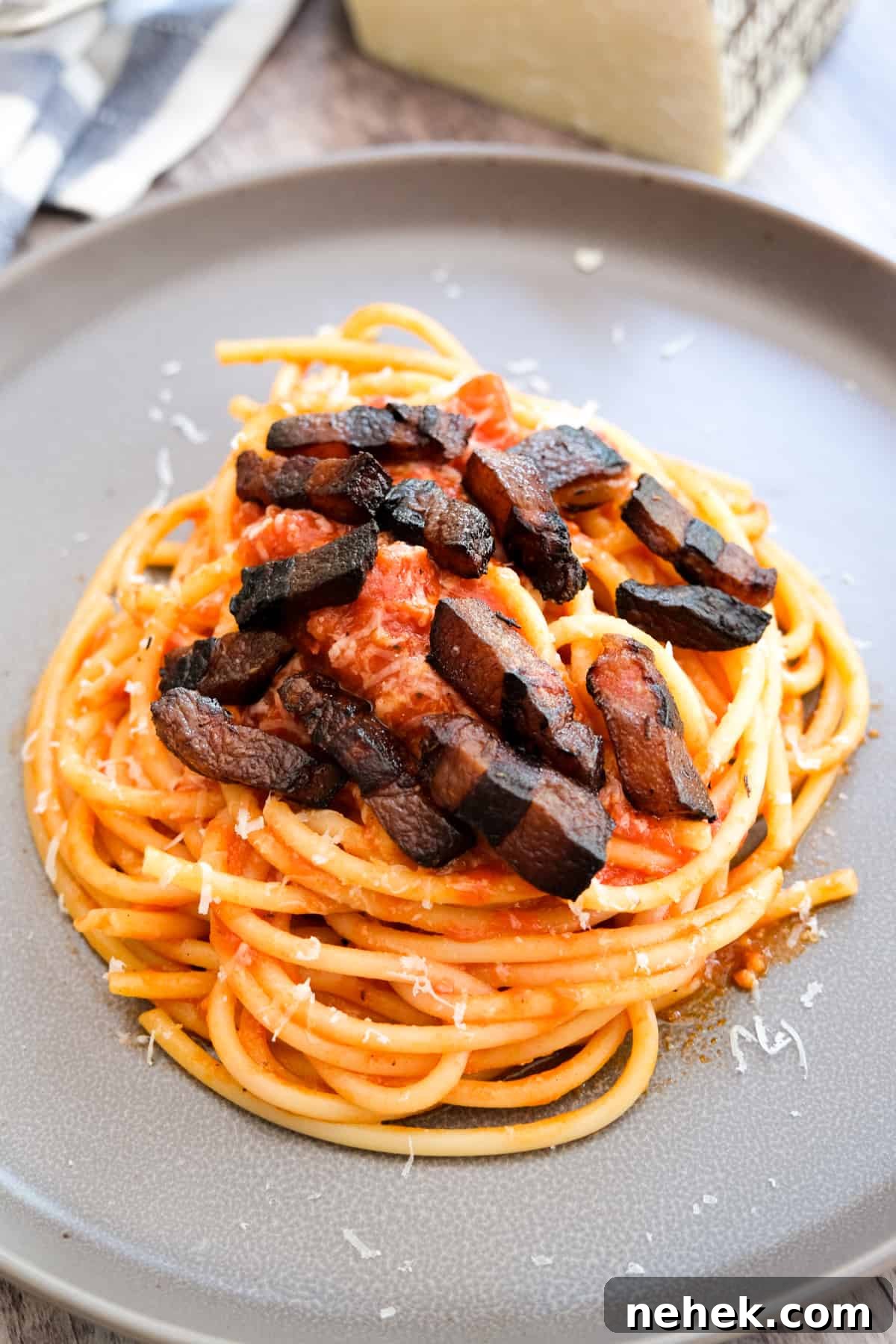
A creamy, savory red sauce and a Roman classic, Bucatini Amatriciana never fails to impress. A touch of heat and the satisfying crunch of rich guanciale make this one of my favorite pasta dishes. Best of all, it comes together in under 30 minutes.
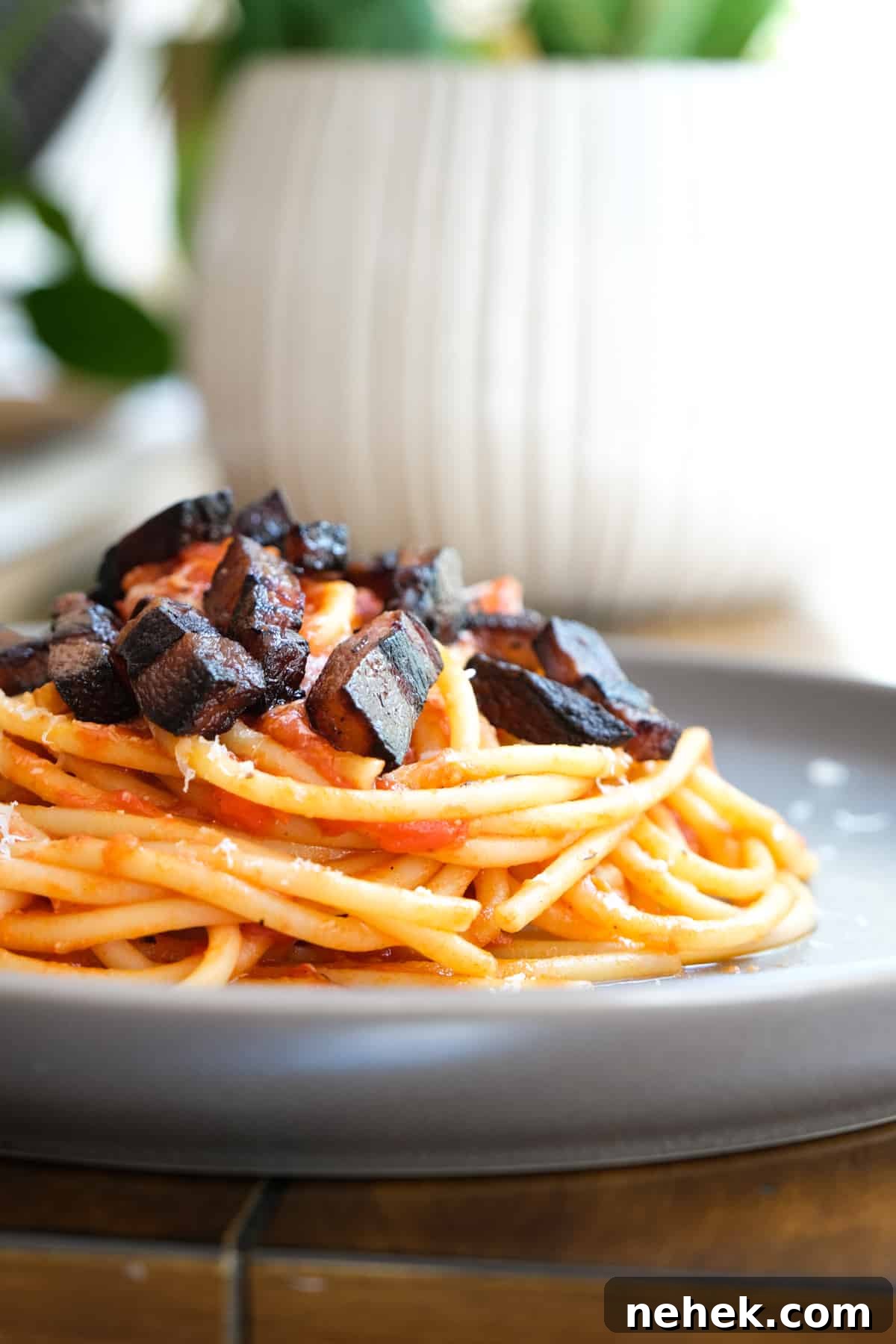
Classic Roman-Italian Dish
Bucatini Amatriciana is one of the four classic Roman dishes. It’s a slightly spicy tomato sauce made with rich cured pork jowl, freshly ground black pepper and pecorino romano. The dish relies on a few high-quality ingredients to create surprisingly complex flavors. It isn’t as hot as some spicy pasta dishes, but it has a distinct and satisfying kick.
Amatriciana has a long history. Originally it was a white preparation, similar to pasta alla gricia, and only later became a tomato-based dish after tomatoes were introduced to Italy. In the town of Amatrice, farmers traditionally cooked fresh pasta with guanciale and pecorino together then dried the pasta on small wire frames for travel—bucatini was a favored shape because it was easy to form and dry.
Today amatriciana is made with many pasta shapes—rigatoni, spaghetti, and more—but bucatini remains ideal. The hollow center of bucatini soaks up the sauce, giving each bite extra flavor. The guanciale contributes a uniquely rich taste and crisp texture that truly defines the dish.
The Five Simple Ingredients for Amatriciana
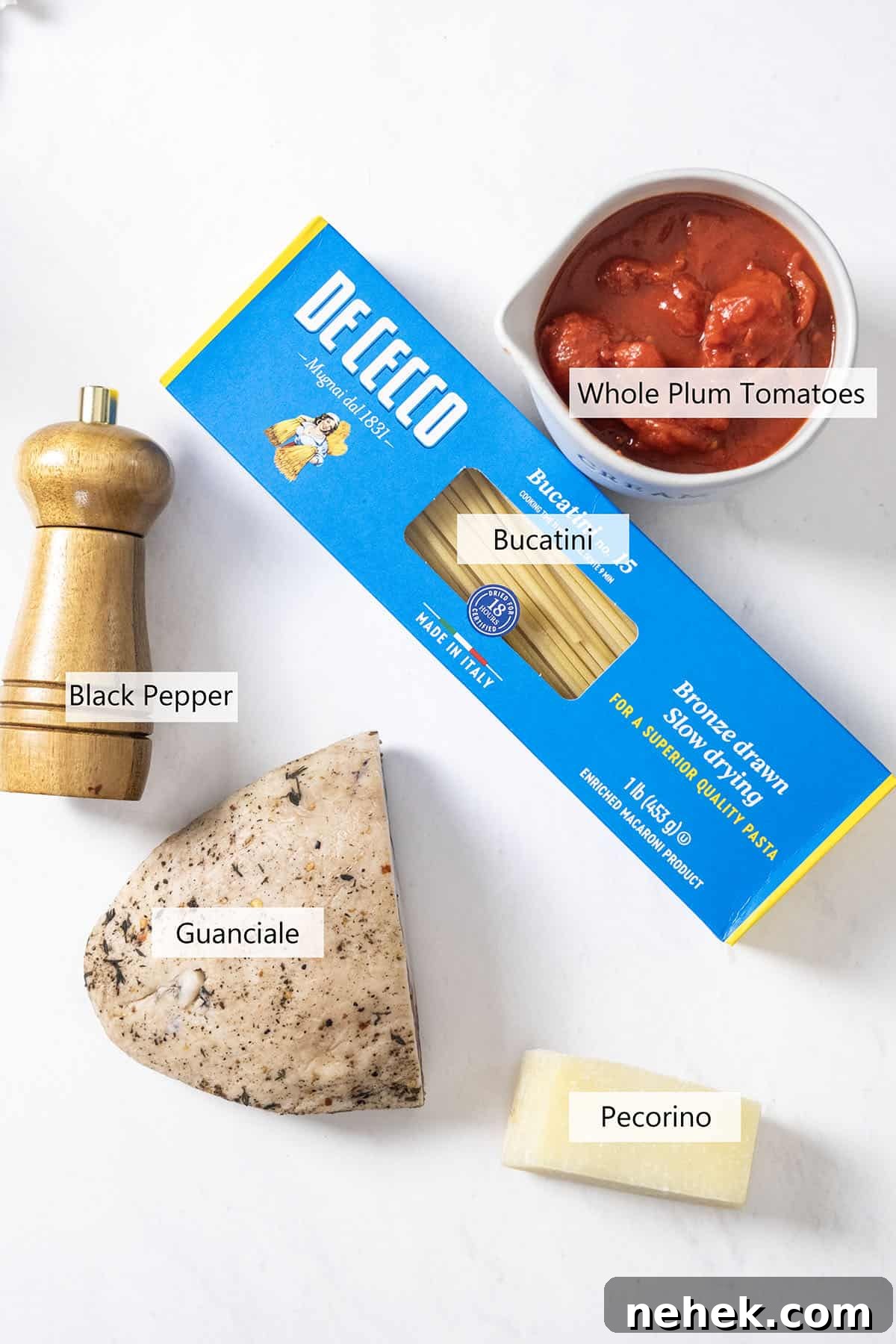
- Guanciale — cured pork jowl. The rendered fat from guanciale is central to the sauce’s flavor.
- Pecorino Romano — a sheep’s milk cheese with a sharp, tangy profile that complements the tomatoes and pork.
- Black pepper — freshly ground black pepper adds the traditional bite; crushed red pepper is an option for more heat.
- Peeled plum tomatoes — hand-crushed or broken-down whole peeled tomatoes create a chunky, textured sauce.
- Bucatini — tubular pasta with a small center hole that traps the sauce and makes every bite saucy and satisfying.
Substitutions for Ingredients in Bucatini Amatriciana
Italians can be particular about the classic Roman dishes: spaghetti carbonara, pasta alla gricia, cacio e pepe, and bucatini amatriciana. Still, some substitutions are common and acceptable depending on your priorities.
Pancetta can substitute for guanciale when guanciale isn’t available. The result will be delicious, but the flavor and texture will be different—pancetta tastes distinct from the richer, more savory guanciale. For the cheese, you can use parmesan if you don’t need full authenticity, though pecorino romano is the traditional choice and provides the characteristic tang.
How to Make Bucatini all’Amatriciana
This dish is built on four main ingredients and a few straightforward steps. The entire process takes about 30 minutes and benefits from attention at the stove—timing matters to get the texture and sauce integration right.
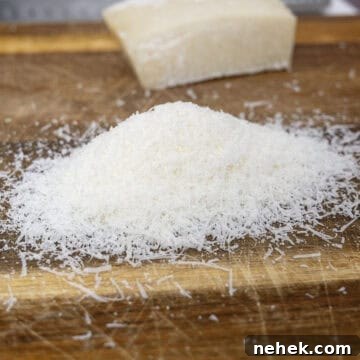
Grate the pecorino finely. The thinner the shreds, the better they melt into the sauce without clumping.

Cut the guanciale into strips. Strips render well and give a pleasing mouthfeel when crisped.
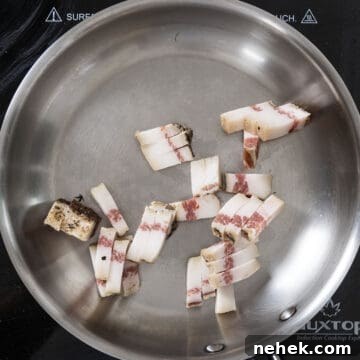
Step 1: Place the guanciale in a cold pan and heat to medium. Allow the fat to render slowly and the meat to become crispy and golden-brown.
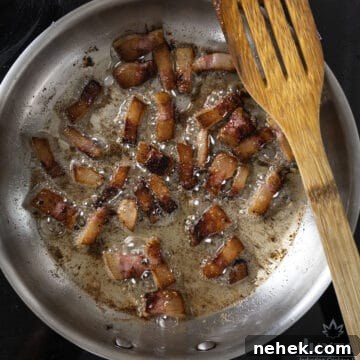
Step 2: Remove the guanciale with a slotted spoon, leaving at least 3 tablespoons of rendered oil in the pan. Avoid burning the meat; it should be reddish-brown and crisp.
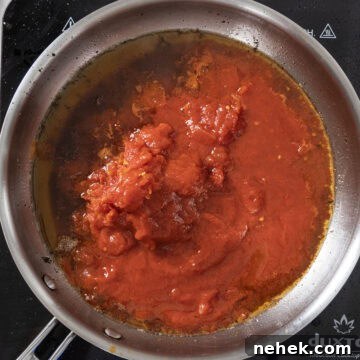
Step 3: Hand-crush the peeled tomatoes into the hot oil. Bring to a boil, then reduce to a steady simmer. Add freshly ground black pepper to taste.
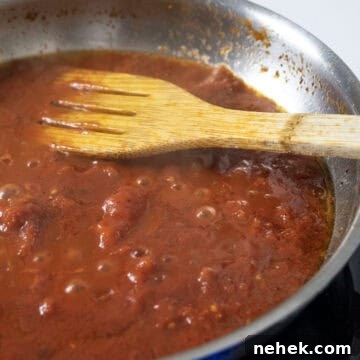
Step 4: Simmer the sauce for about 10 minutes while bringing a large pot of salted water to a boil for the bucatini. Cook the pasta until 1–2 minutes before al dente and reserve pasta water.
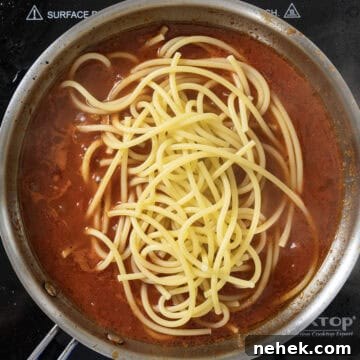
Step 5: Add about 1/4 cup of reserved pasta water to the sauce, then add the bucatini and toss. Let the pasta finish cooking in the sauce for 2 minutes so the sauce penetrates the hollow noodles.
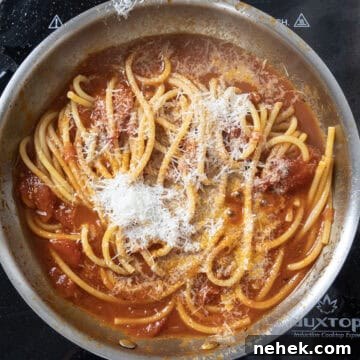
Step 6: Remove the pan from heat, add the grated pecorino and toss until creamy and well combined. Serve immediately and top each portion with the crispy guanciale.
Pro-Tips
- Start cooking guanciale in a cold pan so the fat renders gradually and the meat becomes golden and crisp.
- Keep the sauce at a strong simmer; bring it back to a simmer after adding pasta water. Finish the pasta in the sauce so the flavor soaks into the bucatini.
- Reserve extra pasta water. You may need it to adjust sauce consistency as the pasta finishes cooking in the sauce.
What to serve it with
Bucatini Amatriciana pairs well with simple proteins and sautéed greens. A balanced meal might include a roasted or pan-seared chicken, a pork or beef main, and a bitter or garlicky green vegetable on the side.
- Chicken dishes, roasted or pan-seared, complement the rich flavors.
- Pork or beef mains work well for heartier menus.
- Always add a vegetable side—sautéed greens, braised fennel, or garlic green beans provide contrast and brightness.
Recipe FAQs
Guanciale is cured pork jowl while pancetta is cured pork belly. Guanciale generally offers a richer, more tender mouthfeel, whereas pancetta can be slightly firmer and different in flavor.
Yes. Bucatini has a small hole running through the center, which allows sauce to fill the pasta. That makes it especially suited for amatriciana.
Some modern versions add chili flakes, but the classic dish traditionally uses only peeled tomatoes, guanciale, pecorino romano, and black pepper.
More Delicious Pasta
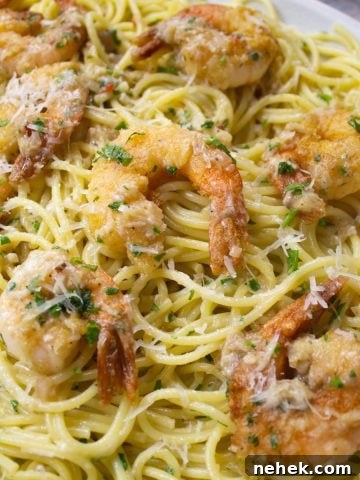
 Shrimp Scampi Without Wine
-
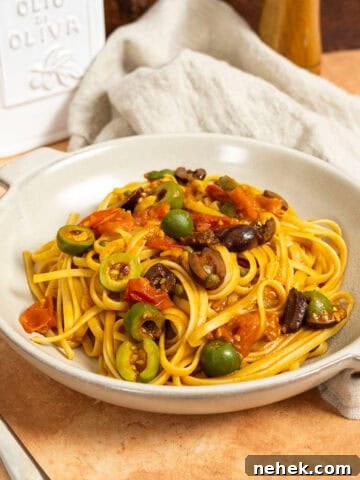
Classic Linguine Alla Puttanesca
-
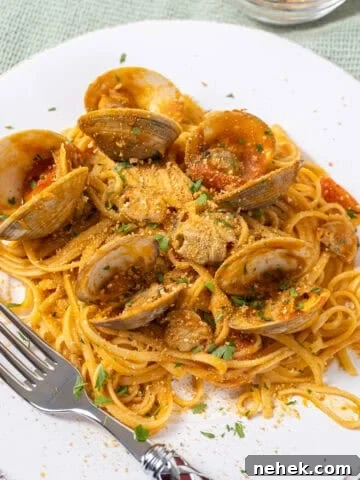
Linguine with Red Clam Sauce
-
Busiate with Pesto Trapanese

Be sure to leave a comment or review below — we love to hear from you!
Bucatini Amatriciana
Vincent DelGiudice
Equipment
- 1 large saucepan
Ingredients
- 6 oz guanciale
- ½ lb bucatini
- ⅔ cup pecorino romano, finely grated
- 1 tsp freshly ground black pepper
- 14 oz peeled plum tomatoes
Instructions
- Chop guanciale into strips. Place in a cold saucepan and heat to medium. Fry about 8 minutes until fat renders and guanciale is golden brown. Remove from the pan, leaving at least 3 tablespoons of oil.
- Hand-squeeze the peeled tomatoes into the oil. Add freshly ground pepper. Bring to a boil, then reduce to a simmer.
- Bring a large pot of salted water to a boil. Cook bucatini until 1–2 minutes before al dente. Reserve pasta water.
- Add ¼ cup reserved pasta water to the sauce and mix. Add the bucatini and toss in the sauce. Let simmer for 2 minutes so the pasta finishes cooking in the sauce.
- Off the heat, add pecorino romano and toss to combine. Serve immediately topped with the crispy guanciale.
Notes
- Always start guanciale in a cold pan to properly render fat and achieve crispness.
- Keep the sauce at a steady simmer and bring it back to a simmer after adding pasta water.