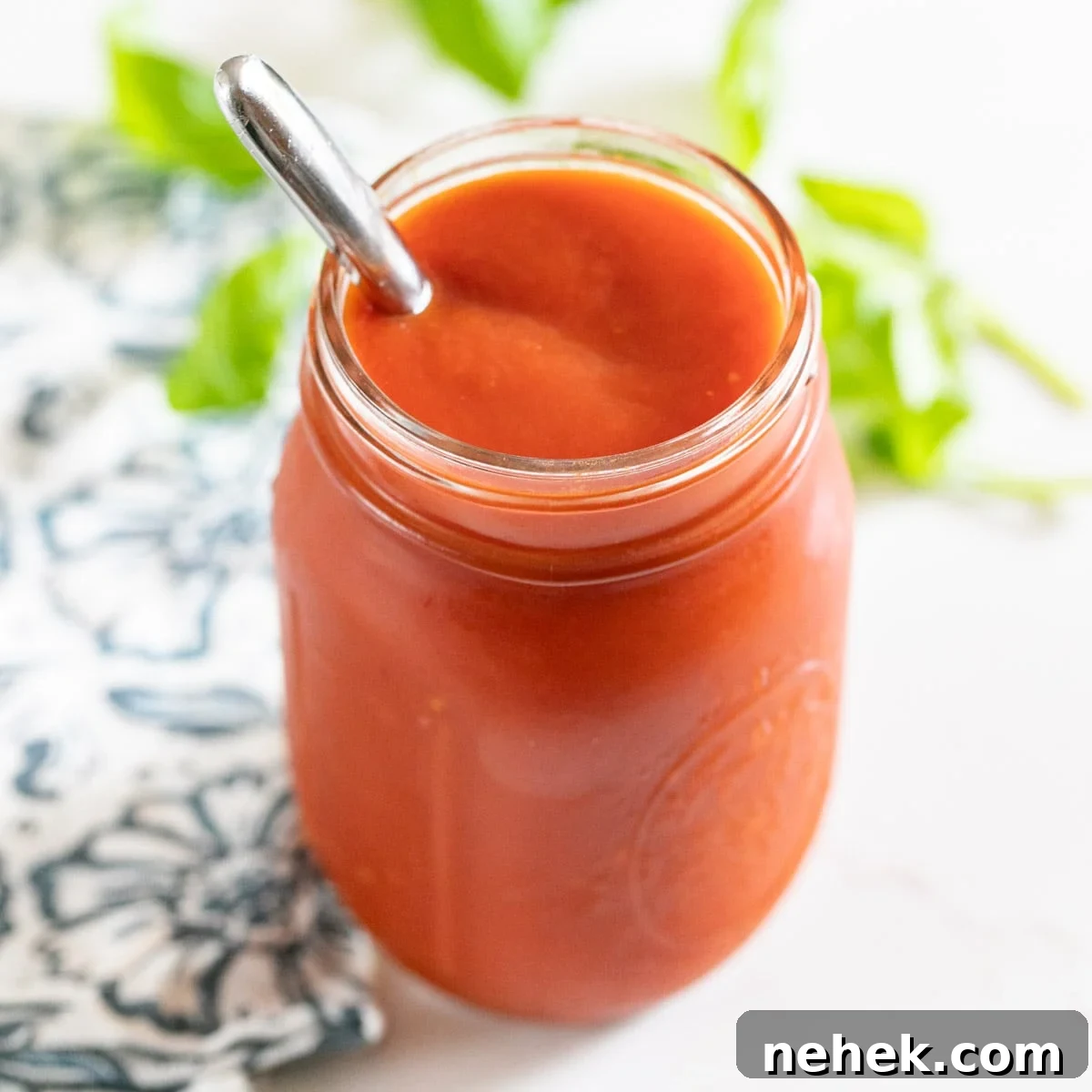
This simple, sugar-free marinara sauce is a cherished family recipe, full of bold flavor and ready in about an hour thanks to a technique my grandma taught me. Perfect for pasta, pizza, dipping, or freezing for later.
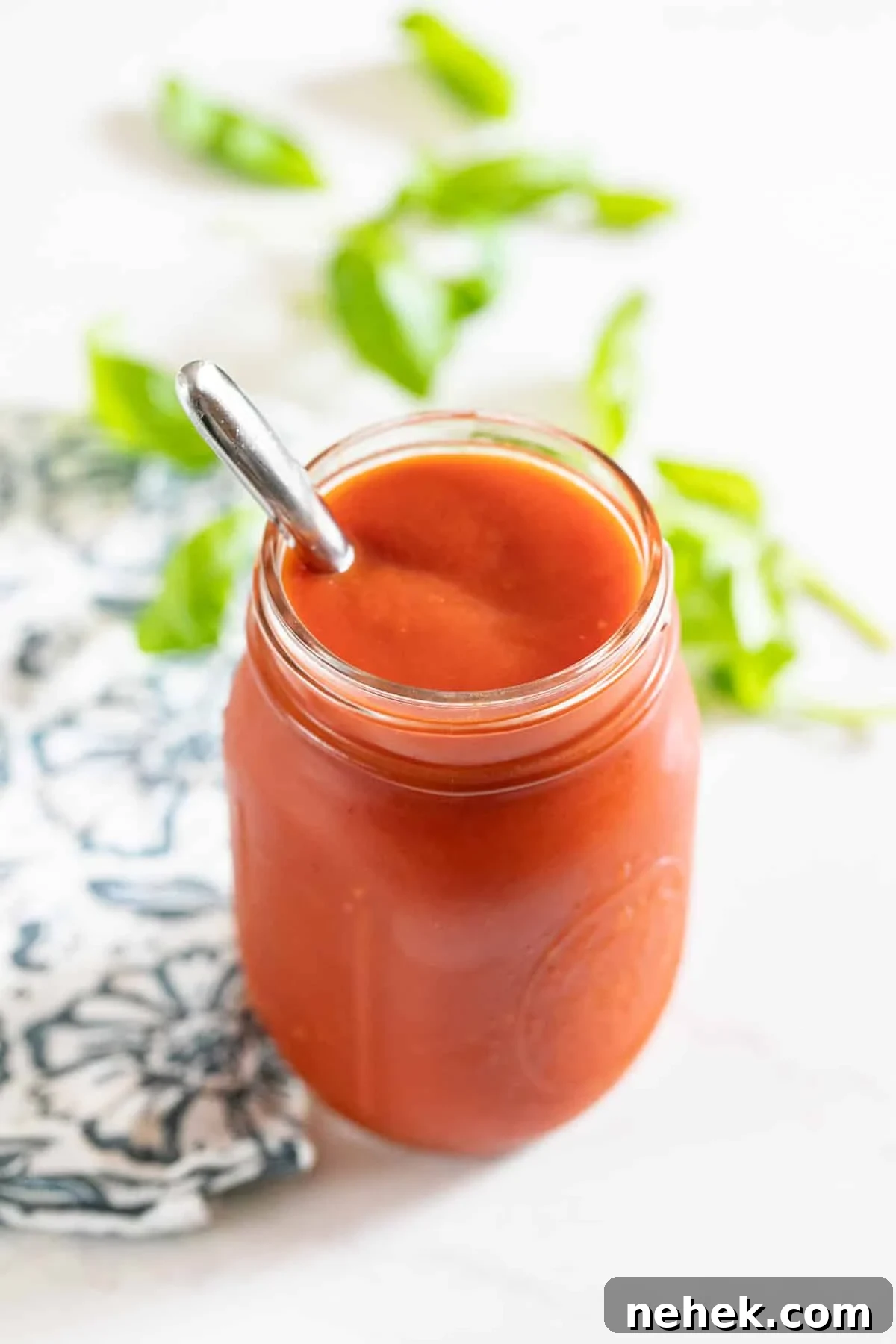
Why You’ll Love This Marinara Dipping Sauce
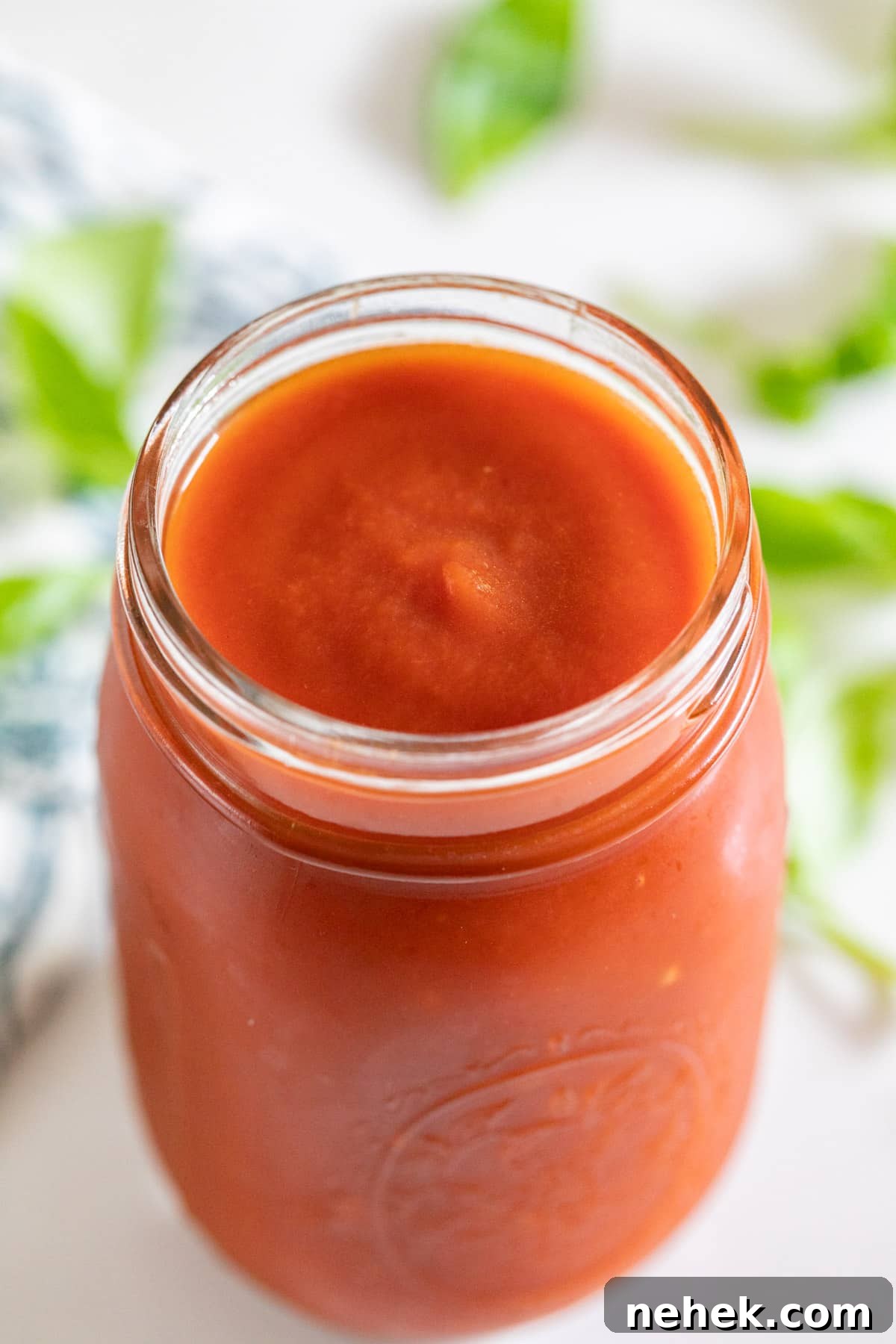
Homemade marinara is a family staple in my house. Everyone seems to have their own version, but this one stands out because it’s straightforward, contains no added sugar, and still delivers a deep, savory tomato flavor. Whether you toss it with pasta, spread it on pizza, use it as a base for other dishes, or serve it as a dipping sauce, it tastes like comfort in a jar.
A couple of small tricks—one passed down from my grandmother—help tame tomato acidity and bring the sauce into balance without relying on sugar. The result is a versatile sauce you’ll want to keep on hand. Key benefits:
- Freezes well for future meals
- No added sugar—relies on natural tomato flavor
- Made from pantry staples
- Ready in about an hour, longer if you prefer
Ingredient Information and Substitutions
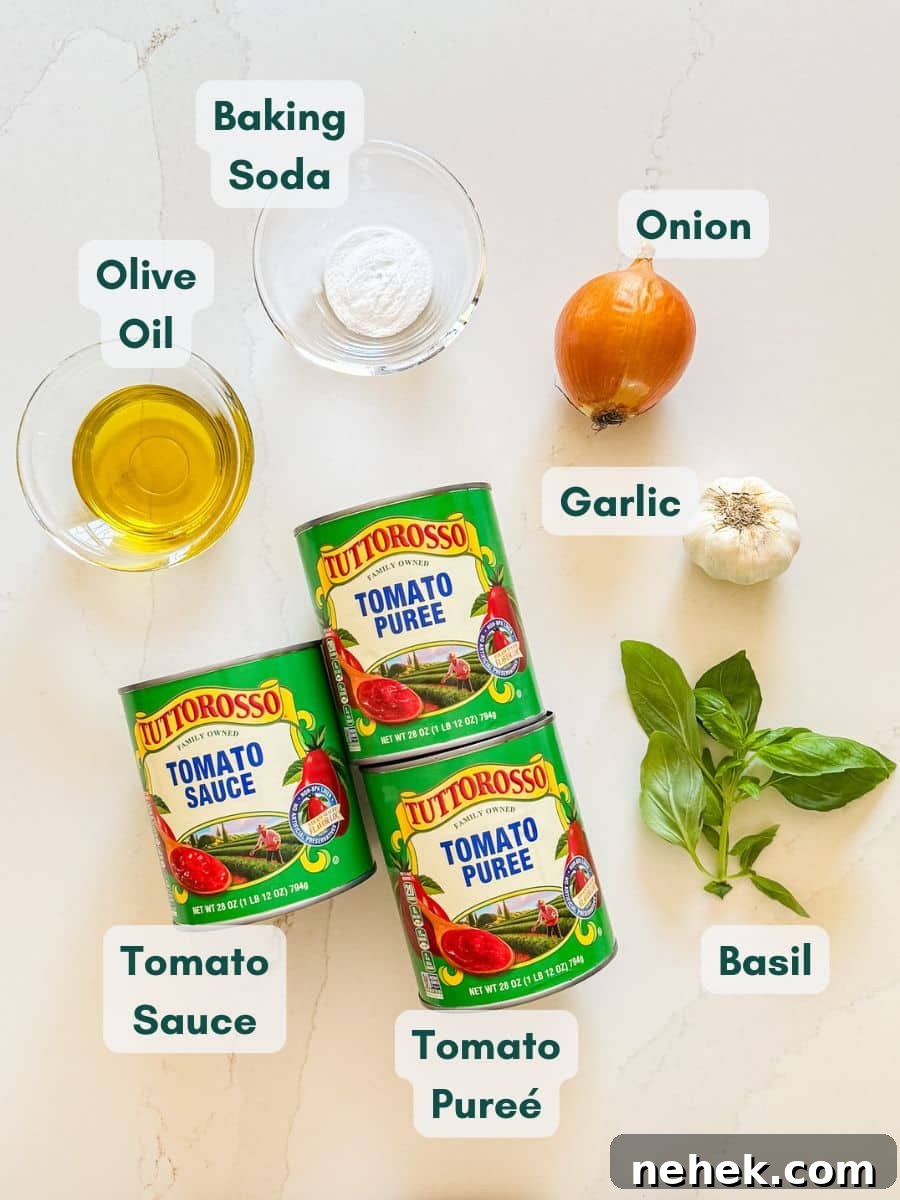
- Tomato puree — Canned puree works great; you can also use fresh tomatoes that have been peeled and pureed. I often use two parts puree to one part tomato sauce, all canned.
- Water — Used to thin the sauce slightly. Adjust to reach your preferred consistency.
- Olive oil — Extra virgin is best for flavor.
- Garlic — Fresh cloves give the best flavor. If you must, jarred minced garlic will do in a pinch.
- Onion — Use a whole peeled onion and poke it with a knife to release flavor; yellow onion is ideal.
- Baking soda — A small pinch helps neutralize tomato acidity without adding sugar. Use sparingly.
- Basil — Fresh or dried basil adds a bright herbal note.
- Romano or Parmesan — Grated cheese to finish the sauce when serving.
How to Make Sugar-Free Marinara Sauce
Step 1 — Sauté the garlic.
Heat the olive oil over medium heat. Add half the garlic (smashed or roughly chopped) and cook until golden on all sides. Watch closely—garlic burns quickly and becomes bitter.
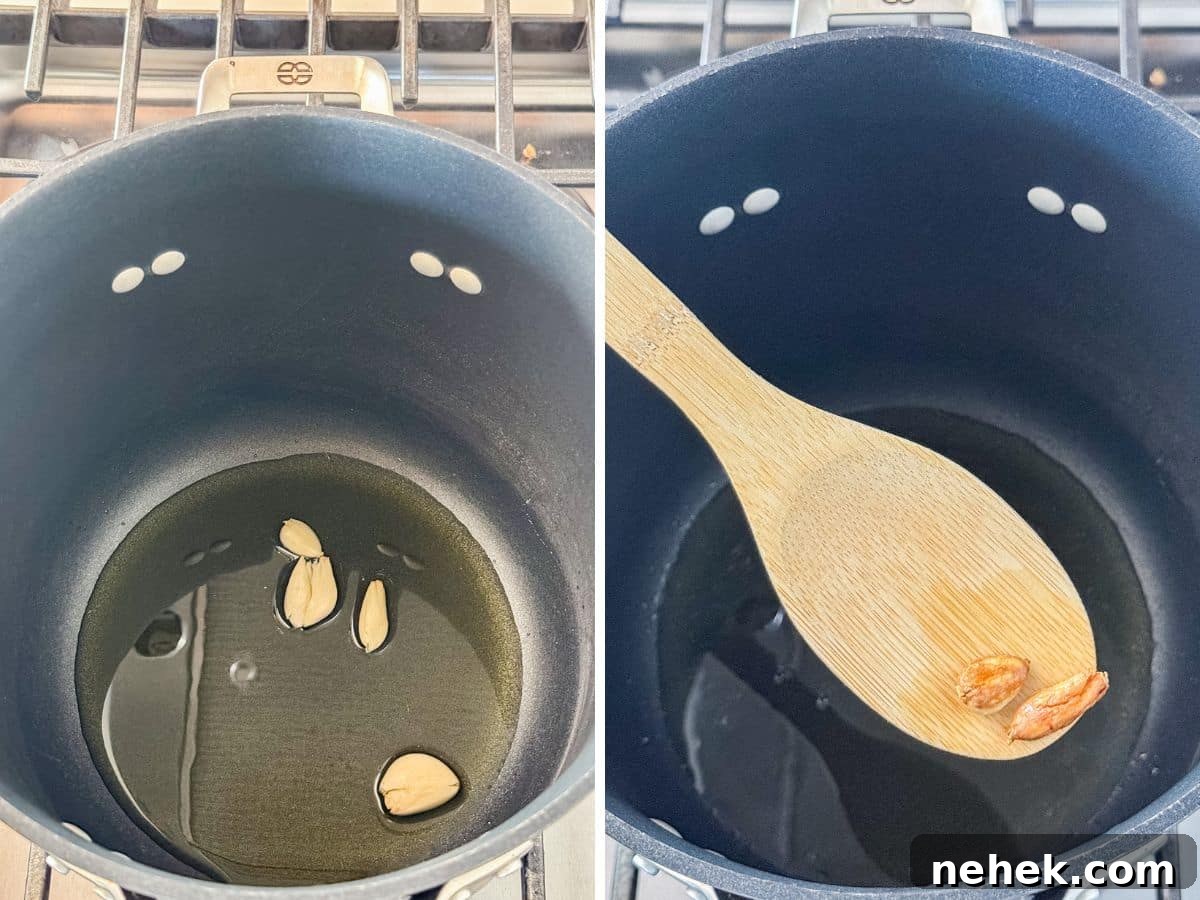
Step 2 — Add tomato and water.
Remove the browned garlic and add the tomato puree and tomato sauce to the pot. Use one of the cans, fill it halfway with water, swish to loosen any remaining puree, and pour that water into the pot to thin the sauce slightly.
Step 3 — Reduce the acidity.
Bring the sauce to a simmer and stir in about 1/4 teaspoon to 1/2 teaspoon baking soda to start. You’ll see foam rise to the surface; skim that off and discard it. Taste the sauce and, if still too acidic, add a tiny additional pinch of baking soda, skimming again as needed. Take care not to overdo the baking soda; too much can affect the flavor.
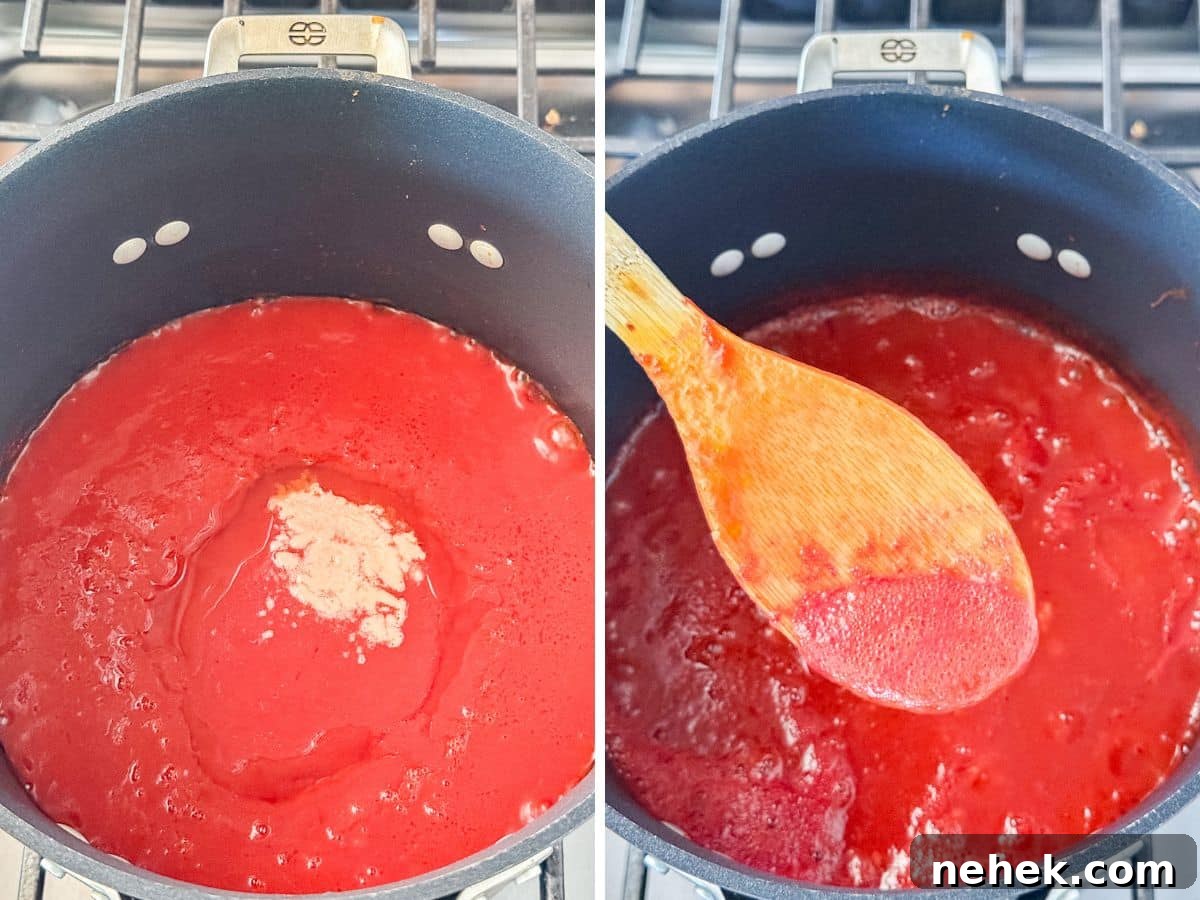
Step 4 — Simmer with onion and remaining garlic.
Once the foam is removed, add the whole peeled onion (poked with a knife) and press or add the remaining garlic to the sauce. Reduce the heat to low and simmer. Simmer for at least an hour; three hours is even better if you have the time. Partially cover the pot to avoid splatter.
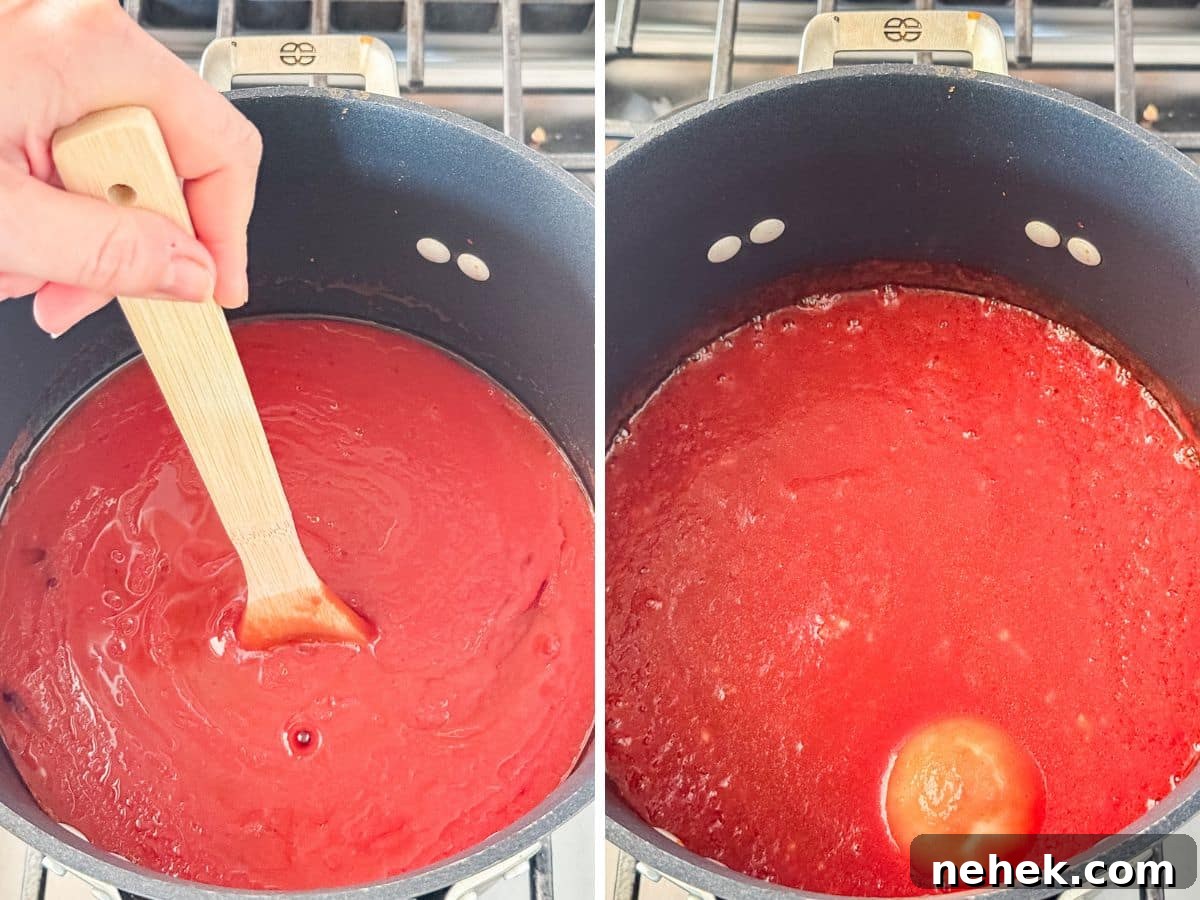
Step 5 — Finish and serve.
When the sauce has finished simmering and the flavors are developed, remove and discard the onion and any large pieces of garlic. Stir in the basil—if using dried, rub it between your hands before adding to release the oils. Serve over pasta topped with grated Romano or Parmesan, or cool and freeze for later use.
Frequently Asked Questions
Stored in an airtight container, the sauce will stay fresh in the refrigerator for 5–7 days. Reheat gently on the stovetop or in the microwave.
Marinara is a type of red sauce often used for pasta; “spaghetti sauce” is a broader, informal term many people use to describe any red pasta sauce. Names vary by region and family tradition.
Yes. Peel, seed, and puree fresh tomatoes. Expect to use roughly 10–11 cups of prepared fresh tomatoes to replace two large cans, and be prepared to adjust the water since fresh tomato puree can be thinner.
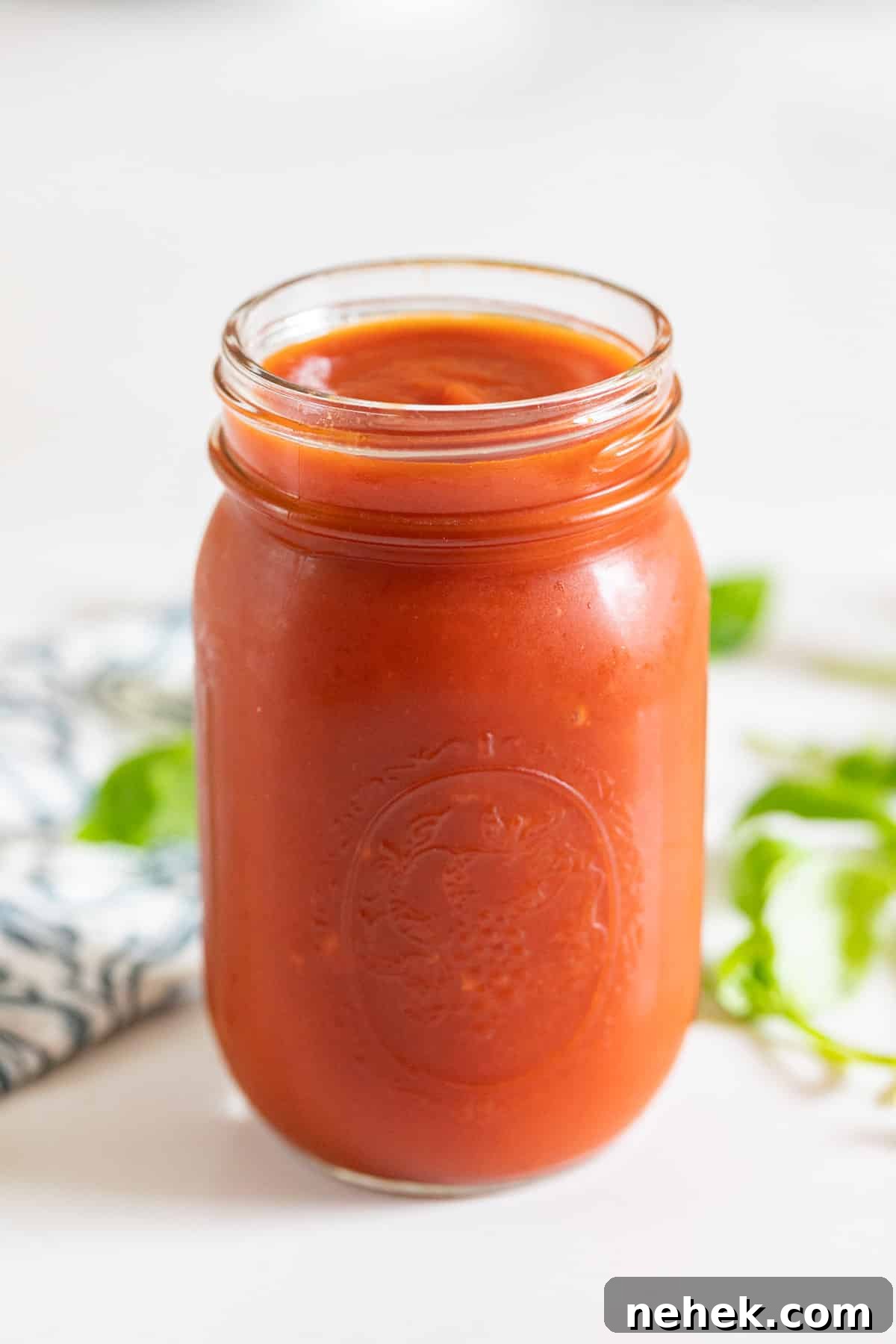
Tips for Making Marinara Dip Sauce
- Don’t burn the garlic. Garlic goes from golden to bitter quickly. If it burns, rinse the pan and restart that step.
- Don’t skip the baking soda. It neutralizes acidity without adding sweetness.
- Start small with the baking soda. You can always add more, but you can’t take it out.
- Cook low and slow if you can. The sauce is great in an hour, but the flavors deepen with longer simmering.
- Adjust thickness. Add more water for a thinner sauce or use less liquid for a heartier texture.
- Prep ahead. Peel and poke the onion and garlic ahead of time to save hands-on minutes.
- Storage. Refrigerate up to 5 days or freeze up to 3 months in airtight containers.
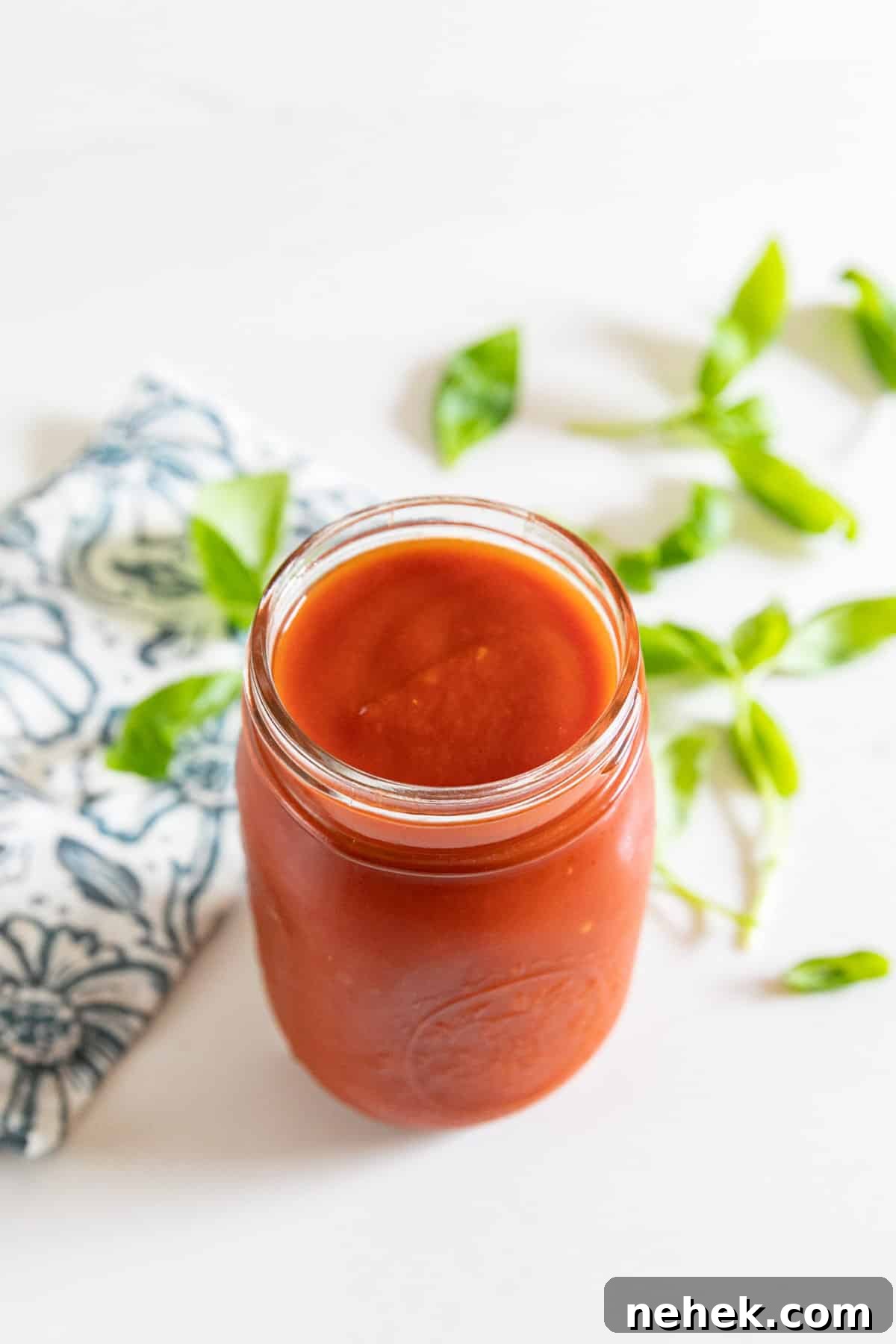
What to Serve with Marinara Sauce
This sauce is very versatile. Serve it with spaghetti, use it on pizza, spoon it over baked or fried chicken, add it to subs or stuffed peppers, or use it as a dip for bread and roasted vegetables. It pairs well with simple sides like roasted broccoli, a marinated vegetable salad, or a fresh green salad.
Recipe: Sugar-Free Marinara Sauce
Sugar-Free Marinara Sauce
This simple, sugar-free marinara sauce is a family favorite, packed with bold flavor and ready in about an hour. Perfect for pasta, pizza, or freezing for later.
Ingredients
- 1/4 cup olive oil
- 8 cloves garlic (peeled; smash or press half, press remaining)
- 56 ounces tomato puree (about two large cans or equivalent fresh)
- 28 ounces tomato sauce (canned)
- 14 ounces water (adjust for thickness)
- 1/2 teaspoon baking soda (or to taste)
- 1 large onion, peeled and poked with a knife
- 1–2 teaspoons dried basil (or a few sprigs fresh)
Instructions
- Heat the olive oil over medium heat. Add 4 smashed garlic cloves and cook until golden on all sides, then remove them from the pan.
- Pull the pan from the heat briefly and add the tomato puree and tomato sauce. Use one of the cans, fill it halfway with water, swish to loosen any remaining puree, and add that water to the pot to thin the sauce slightly. Return the pan to the heat and stir to combine.
- Bring the sauce to a boil. Stir in 1/2 teaspoon baking soda to start; foam will rise as the acid neutralizes. Skim off and discard the foam. Taste and add a tiny bit more baking soda if needed, skimming each time, until the acidity is balanced.
- Once the foam is gone, add the whole onion and press in the remaining garlic cloves. Reduce the heat to low.
- Simmer partially covered for at least 1 hour, stirring occasionally. Longer simmering—2 to 3 hours—will deepen the flavor.
- When finished, remove and discard the onion and any large garlic pieces. Stir in the basil and serve with grated Romano or Parmesan, or cool and freeze for later use.
Notes
- Watch the garlic carefully; burnt garlic tastes bitter. If it burns, wash the pan and restart that step.
- Baking soda neutralizes acidity without adding sugar—start small and adjust as needed.
- Let the sauce cook low and slow if you can; the flavor improves with time.
- Adjust thickness by changing the amount of water.
- Pepare garlic and onion ahead of time to save steps when cooking.
- Store leftover sauce in the fridge for up to 5 days or freeze for up to 3 months in airtight containers.