Moving into a rental often means working within rules set by the landlord. You may not be able to remodel, paint, or even hang heavy items on walls. Houseplants, however, are usually a tenant-friendly way to personalize a space and make it feel calmer and more inviting. With the right choices, a few pots of greenery can refresh a rental without violating lease terms or creating long-term maintenance headaches.
Not every plant fits every rental. Tenants should pick varieties that suit their schedule, light conditions, and the unit’s humidity. Below are practical tips and considerations to help you choose houseplants that thrive in a rental home.
Benefits of Adding Houseplants to a Rental
Even in a temporary or restricted living situation, plants deliver several tangible benefits beyond aesthetics:
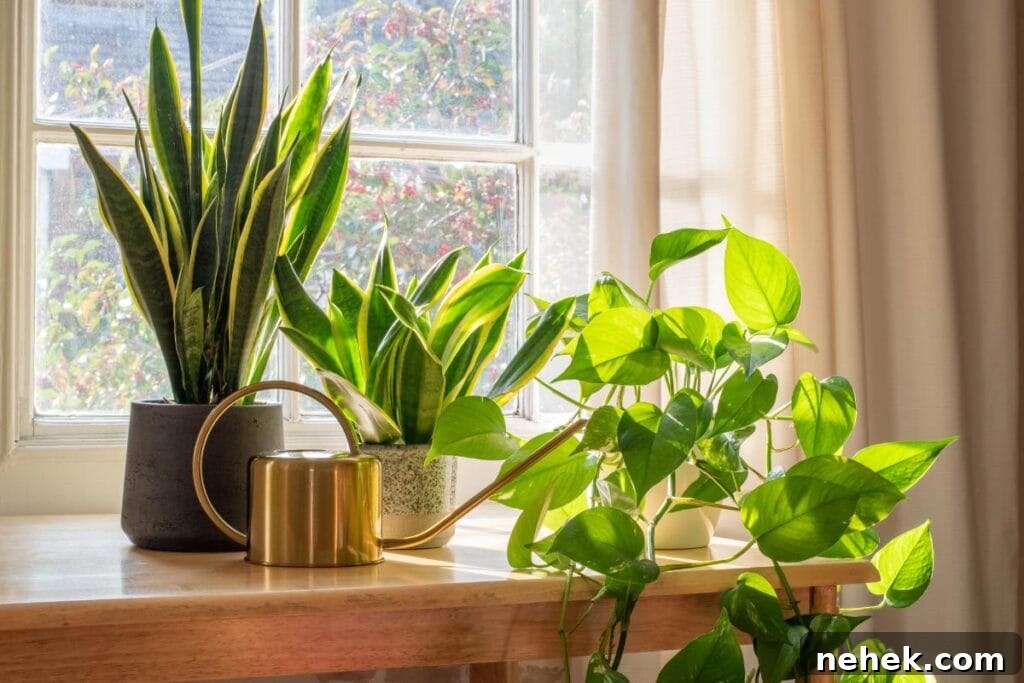
- Cleaner air — Many houseplants help filter indoor air by absorbing some pollutants and releasing oxygen. Options like snake plants and peace lilies improve air quality and can complement or reduce reliance on mechanical purifiers.
- Instant style upgrade — A single well-placed plant can break up the monotony of neutral walls and furniture. Small succulents on a windowsill, a sculptural ficus in a corner, or hanging pothos can make a rental feel intentional and lived-in.
- Mood and stress relief — Time around plants has been linked to reduced stress and improved mood. Caring for greenery—watering, pruning, or simply noticing growth—can provide a calming, mindful break from a busy day.
Ask About Watering and Humidity Needs
Before bringing plants home, consider their water and humidity requirements. Matching plant needs to your rental’s conditions prevents problems like root rot, brown fronds, or mold growth.
How much water does the plant need?
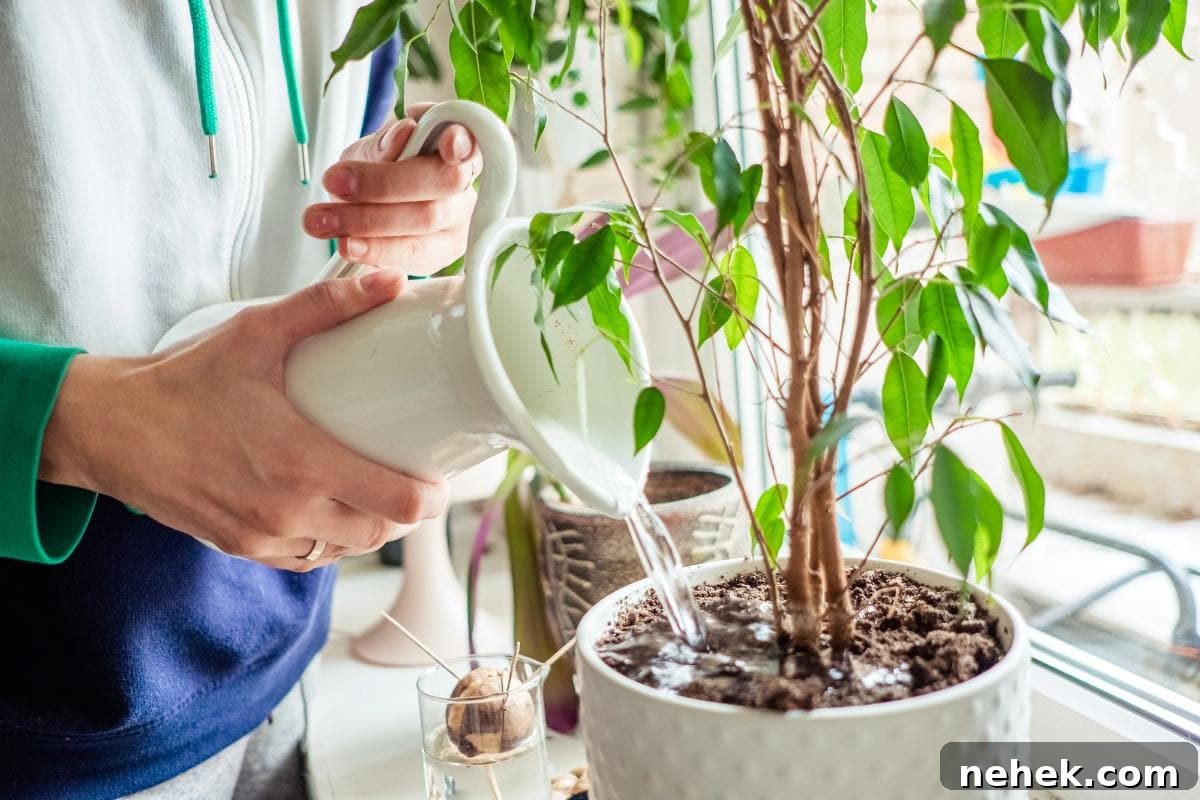
Different plants have different watering rhythms. Succulents and pothos tolerate missed watering for days, while ferns and some tropicals need consistently moist soil. If you travel frequently or work long hours, prioritize drought-tolerant species that survive occasional neglect.
What’s the humidity level of the rental unit?
Humidity affects plant health. Units with central AC or heating often have dry air, which suits snake plants and cacti but can stress Boston ferns and many tropicals. Conversely, high-humidity apartments can support moisture-loving plants but also raise the risk of condensation and mold. Observe your unit’s typical moisture level and choose plants that match it.
Will mold be an issue?
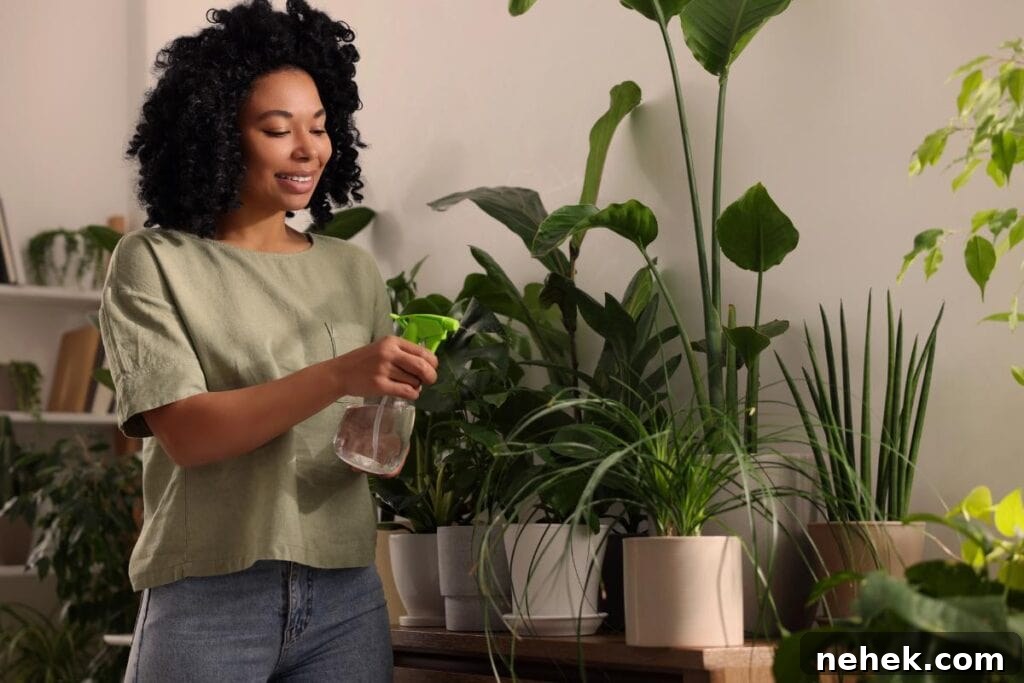
Mold is a serious concern for landlords, so avoid practices that encourage it. Overwatering, constantly misting plants, or placing potted soil against exterior walls can create damp conditions. Use pots with drainage, water appropriately, and ventilate when needed to keep humidity balanced and prevent mold buildup.
Consider Maintenance and Your Lifestyle
Your daily routine and long-term plans should guide plant choices:
- Busy tenants — Pick low-maintenance plants that tolerate neglect, like snake plants, ZZ plants, and aloe vera. These varieties prefer to dry out between waterings and bounce back easily.
- Homebodies — If you spend more time at home and want a hands-on hobby, herbs such as basil, rosemary, or mint offer both visual interest and culinary rewards. They require more regular care but repay you with fresh flavors.
- Frequent movers — Choose lightweight, portable plants that travel well, such as pothos or small succulents. Avoid large, heavy containers or potted trees that are hard to move and could damage floors.
- Pet owners — Check toxicity before bringing plants into a home with cats or dogs. Some popular plants are toxic if ingested; safe alternatives include spider plants, parlor palms, and calatheas.
Lighting is another key factor. Many rentals have windows that face one direction only, so note whether your space receives bright sun, indirect light, or mostly shade. Match plants to available light to minimize stress and avoid constant repositioning. Size matters too: large floor specimens can overwhelm a small studio, while compact succulents and tabletop plants enhance small rooms without crowding them.
Houseplants are an easy, affordable way to make a rental feel like home. They improve air quality, boost mood, and add visual interest without permanent alterations. The trick is selecting plants that suit your unit’s light and humidity, your schedule, and any pet-safety concerns.
Before buying, ask the right questions: how often will each plant need watering, will the unit’s humidity help or harm it, and could any plant increase mold risk? Tailor your choices to your lifestyle—choose hardy, low-water plants if you’re busy; pick herbs if you want interaction; and prioritize non-toxic varieties if you have pets. With thoughtful selection, houseplants will enhance your rental and make your living space more comfortable, healthy, and stylish.